Shopping Cart
No item in your cart!
RM0.00

Gejala strok muncul secara tiba-tiba, sering kali tanpa sebarang amaran. Mengenalinya pada diri sendiri atau orang lain, dan bertindak dengan segera, boleh menentukan sama ada seseorang itu pulih sepenuhnya atau menanggung kecacatan kekal.
Di Malaysia, enam kes strok baharu berlaku setiap jam, dengan anggaran 52,000 rakyat Malaysia terjejas setiap tahun. Walaupun begitu, kesedaran masyarakat Malaysia terhadap tanda-tanda amaran strok masih rendah, yang menyebabkan rawatan lewat diberikan tepat pada masa ia paling diperlukan.
Jika anda mengesyaki seseorang mengalami strok, jangan tunggu. Hubungi bantuan kecemasan dengan segera.
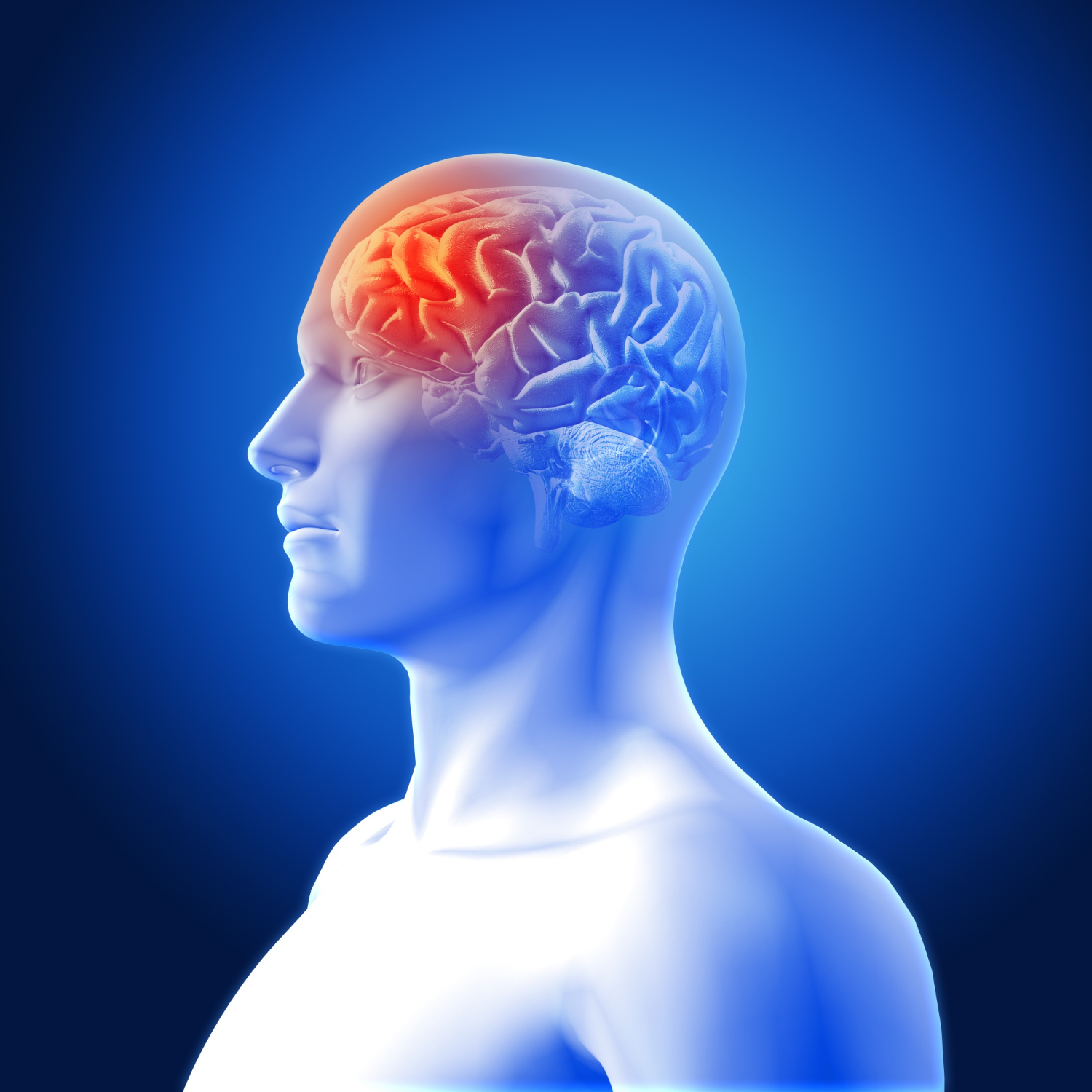
BE FAST adalah senarai semak ringkas yang membantu anda mengenal pasti tanda-tanda strok yang paling biasa dengan cepat, sama ada pada diri sendiri atau orang lain.

B
Balance (Keseimbangan)
E
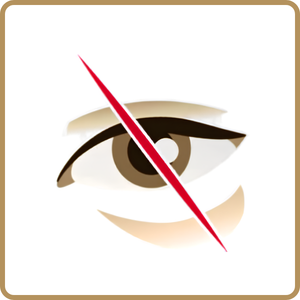
Eyes (Mata)
F
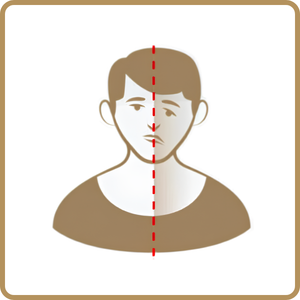
Face (Muka)
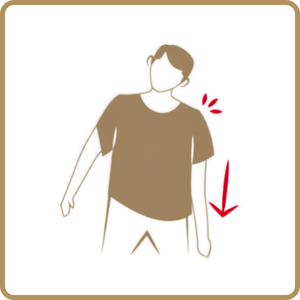
A
Arm (Lengan)

S
Speech (Pertuturan)
T
Time (Masa)
Adakah orang itu tiba-tiba mengalami kesukaran menjaga keseimbangan atau koordinasi? Ketidakupayaan berdiri atau berjalan dengan stabil secara tiba-tiba, atau rasa pening yang datang tanpa amaran, boleh menjadi tanda strok.
Adakah orang itu tiba-tiba kehilangan penglihatan pada satu atau kedua-dua mata, atau mengalami penglihatan kabur atau berganda? Perubahan penglihatan secara mendadak, terutamanya tanpa kesakitan, tidak boleh dipandang ringan.
Minta orang itu tersenyum. Adakah sebelah muka jatuh atau terasa kebas? Senyuman yang senget atau tidak sekata adalah antara tanda strok yang paling jelas dan mudah dikenal pasti.
Minta orang itu mengangkat kedua-dua lengan. Adakah satu lengan jatuh ke bawah, atau satu sisi kelihatan jauh lebih lemah? Kelemahan mendadak pada sebelah badan, walaupun ringan, adalah tanda amaran yang tidak boleh diabaikan.
Minta orang itu mengulangi ayat yang mudah. Adakah percakapannya tidak jelas, pelik atau sukar difahami? Kesukaran bercakap atau memahami percakapan secara tiba-tiba adalah petunjuk utama strok.
Jika anda melihat mana-mana tanda ini, walaupun nampak seperti berlalu dengan cepat, hubungi bantuan kecemasan dengan segera. Catat masa tepat gejala mula-mula muncul kerana maklumat ini amat penting bagi pasukan perubatan yang merawat.
Salah satu kesilapan paling berbahaya ialah menunggu untuk melihat sama ada gejala hilang sebelum mendapatkan pertolongan. Jika gejala reda dengan sendirinya dalam masa beberapa minit hingga beberapa jam, ini mungkin merupakan serangan iskemia sementara, atau TIA, yang sering disebut strok ringan. TIA adalah tanda amaran serius bahawa strok penuh mungkin berlaku tidak lama selepas itu, dan memerlukan perhatian perubatan yang sama mendesak seperti strok sebenar.
Jangan memandu sendiri atau membawa orang yang terjejas ke hospital. Hubungi ambulans supaya kakitangan perubatan terlatih boleh memulakan penilaian dan penjagaan dengan segera, sebelum tiba di hospital.
Walaupun BE FAST merangkumi tanda-tanda strok yang paling biasa dan mudah dikenal pasti, strok juga boleh menunjukkan gejala dengan cara lain. Berhati-hati sekiranya mana-mana tanda berikut muncul secara tiba-tiba:
Jika mana-mana gejala ini muncul secara tiba-tiba, anggap situasi tersebut sebagai kecemasan perubatan dan hubungi bantuan dengan segera, walaupun orang itu tidak menunjukkan semua tanda BE FAST.
Tidak semestinya, tetapi sakit kepala teruk yang tiba-tiba dan tidak seperti yang pernah dialami sebelumnya, terutamanya jika berlaku bersama-sama tanda BE FAST yang lain, perlu ditangani dengan serius. Jenis sakit kepala ini boleh menjadi tanda amaran strok hemoragik, di mana pendarahan berlaku dalam otak, dan memerlukan penilaian perubatan dengan segera.
Mengenal pasti gejala strok hanyalah langkah pertama. Bertindak dengan segera tanpa menunggu atau berfikir panjang adalah apa yang memberi seseorang peluang terbaik untuk pulih. Memahami faktor-faktor yang meningkatkan risiko strok juga membantu anda sentiasa berwaspada terhadap tanda-tanda amaran pada diri sendiri dan orang tersayang.
Ketahui lebih lanjut mengenai penjagaan strok di Pusat Strok kami di Pulau Pinang
Baca Lagi: Apakah Strok? | Bagaimana Strok Didiagnosis? | Faktor Risiko Strok | Pencegahan Strok | Rawatan Strok | Pakar Strok | Rehabilitasi Strok
















Make Appointment Now
Looking for Specialist Care? Schedule a Consultation Today.