Health Advice for Travellers: Essential Health Preparation Before Your Trip
Artikel oleh:
Dr Ooi Poh Siang, Family Medicine Specialist
02 December 2025
Ringgit up, travel plans on? Let’s make sure your health is travel-ready.

Travelling allows us to explore new places, cultures, and experiences. However, every trip—whether for leisure, business, or pilgrimage—comes with potential health risks. Careful pre-travel preparation helps prevent illness, manage chronic conditions, and ensure a safe journey.
This article outlines the key components of travel medicine and what every traveller should prepare before departure.
1. Pre-Travel Health Assessment
A pre-travel consultation is recommended before departure. This allows enough time to optimise medical conditions, complete vaccinations, and plan preventive strategies. Travellers with chronic illnesses should consult their regular physician to confirm that their conditions are stable and safe for travel. This is especially important for those with:
- Heart disease
- Diabetes
- Asthma or chronic lung disease
- Kidney disease
- Immunocompromised states
- Pregnancy
- Certain medical conditions may limit or contraindicate air travel. Examples include:
- Flying within 2 weeks after an uncomplicated heart attack
- Flying within 10 days after thoracic or abdominal surgery
- Uncontrolled heart failure, severe anaemia, or unstable angina
- High-risk pregnancy or pregnancy complications
Your doctor can assess fitness for travel and advise on any restrictions or additional precautions.
Travellers with chronic medical conditions should carry essential medical records, including:
- A summary of medical history
- Current medications
- Emergency action plans
- Contact details for their primary healthcare provider
Examples:
- Cardiac patients should bring recent medical reports and an ECG copy.
- Asthmatic travellers should carry controller medication, a reliever inhaler, and an asthma action plan.
- Diabetic travellers should bring glucometers, supplies, and a hypoglycaemia management plan.
2. Travel Vaccinations
Vaccinations play a central role in travel health, protecting against diseases that may be uncommon at home but prevalent at the destination. Some vaccines require multiple doses; travellers should start early whenever possible.
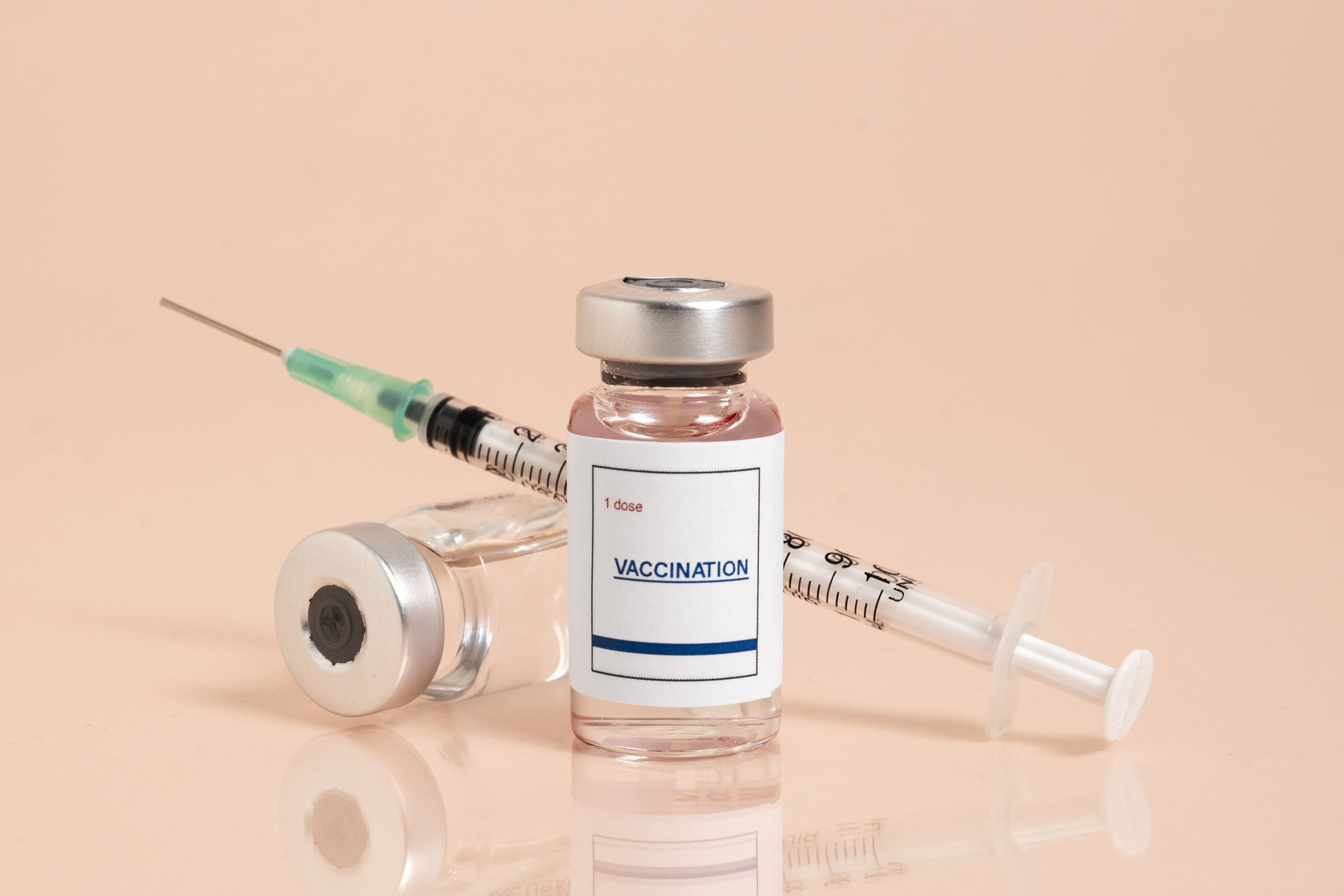
Common Vaccines for Travellers:
Influenza
- Protects against seasonal flu, which spreads easily in crowded settings and during peak seasons.
- Peak transmission occurs October–March in the Northern Hemisphere and April–September in the Southern Hemisphere.
- Tropical countries experience year-round circulation.
- Outbreaks commonly occur on cruise ships, where close contact promotes rapid spread.
Pneumococcal Vaccines
- Protects against pneumonia, meningitis, and bloodstream infections caused by Streptococcus pneumoniae.
- Recommended for older adults and individuals with chronic medical conditions.
Respiratory Syncytial Virus (RSV)
- Protects from severe RSV lung infections, which can cause bronchiolitis and pneumonia.
- RSV circulates globally throughout the year.
Hepatitis A
- Protects against hepatitis A virus, a common cause of acute liver infection in travellers, especially where food and water hygiene are inconsistent.
- Routine pre-vaccination serology is not required, though it may be considered in older adults or specific cost-saving situations.
Hepatitis B
- Protects against hepatitis B virus, which spreads through blood and bodily fluids, and can cause chronic liver disease and cancer.
- Recommended for travellers visiting countries with HBsAg prevalence ≥2% and can be considered for all international travellers depending on risk activities.
Tdap (Tetanus, Diphtheria, Pertussis)
- Protects against tetanus, diphtheria, and whooping cough, which can occur worldwide.
- Especially important if last dose was >10 years ago, or if there is risk of injuries during travel.
Other travel-related vaccines include yellow fever (mandatory in certain countries), as well as vaccines for rabies, meningococcal disease, Japanese encephalitis, and typhoid—recommended based on destination and individual risk.
3. Chemoprophylaxis & Disease Prevention

Malaria Prevention
Malaria remains a significant risk in many tropical and subtropical regions. Prevention includes:
- Mosquito Avoidance Measures
- Use insect repellent
- Wear long-sleeved clothing and long pants
- Sleep in air-conditioned or screened rooms
- Use insecticide-treated bed nets
- Malaria Chemoprophylaxis
- The choice of medication depends on the travel destination, duration, resistance patterns, and traveller’s medical background.
- Some medications must start 1–2 days before travel
- Others require 2 weeks of pre-travel dosing
Leptospirosis Prevention
- Leptospirosis risk increases during recreational activities such as hiking, rafting, or exposure to contaminated water and soil.
- The most effective prevention is avoiding contaminated water.
- Antibiotic prophylaxis may be considered: start 1–2 days before exposure and continue during the period of risk.
4. What to Pack: The Travel Health Kit
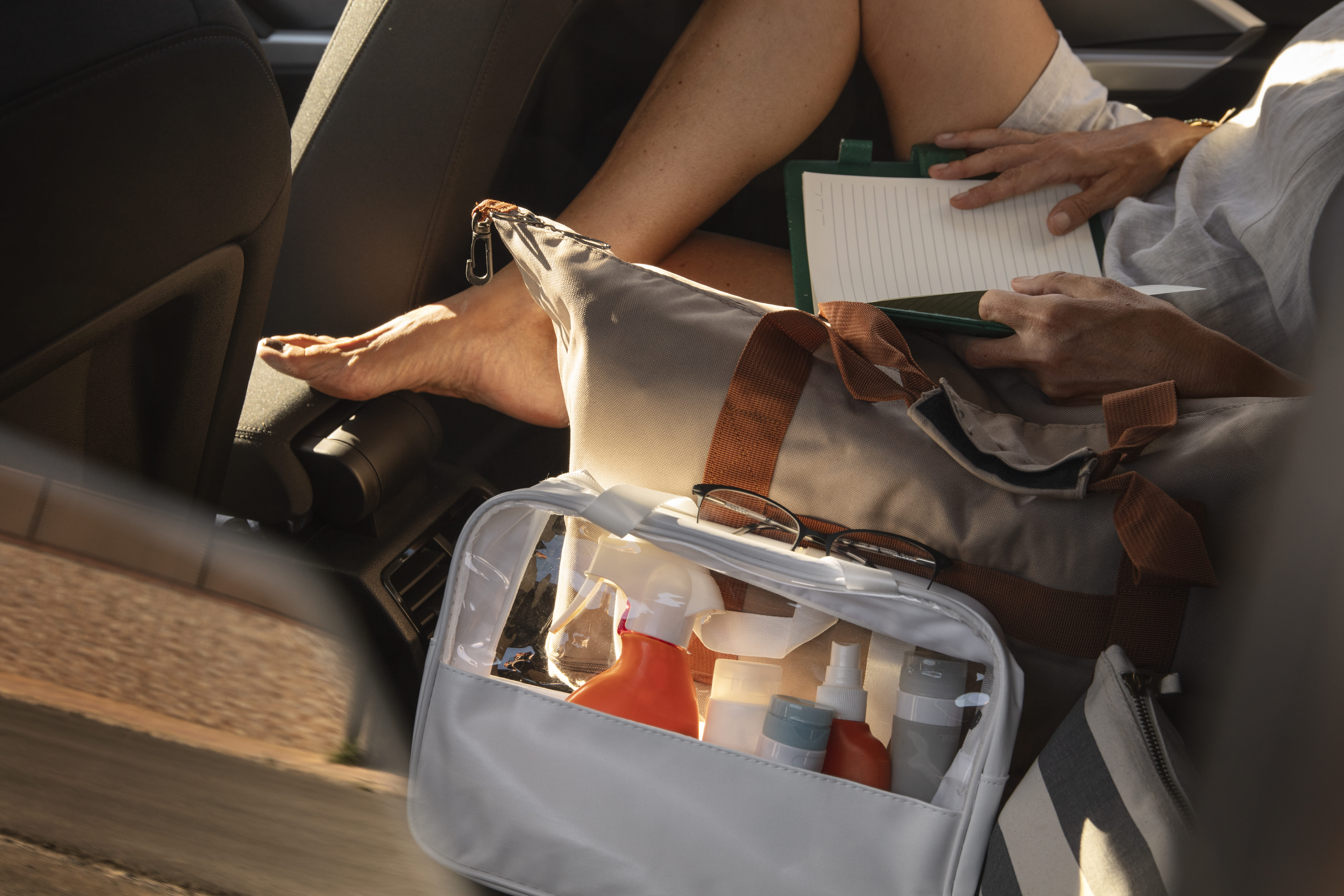
A well-prepared health kit ensures that travellers are equipped to manage minor illnesses and emergencies.
-
Wound Care Supplies
- Adhesive bandages
- Gauze pads
- Adhesive tape
-
Topical Medications
- Anti-itch lotions
- Antimicrobial ointments
- Aloe vera gel (for sunburn)
- Sunscreen
-
Oral Medications
- Antacids for gastritis
- Antihistamines for allergy
- Paracetamol for pain or fever
- Cough syrup and throat lozenges
- Medicines for diarrhoea and constipation
-
Instruments & Essentials
- Thermometer
- Glucometer for diabetics
- Face masks
- Insect repellent
- Condoms
Always keep prescription medications in original packaging, with a sufficient supply for the entire trip plus extra in case of delays.
5. Travel Insurance & Medical Services Abroad
Comprehensive travel insurance provides essential protection in case of unexpected illness or injury. Travellers should ensure their plan includes:
- Coverage for medical treatment
- Emergency medical evacuation
- Hospitalisation
- Trip cancellation due to medical reasons

Before departure, travellers should identify reputable medical facilities at their destination and keep emergency contacts easily accessible.
Conclusion
Healthy travel begins long before boarding the plane. With proper consultation, updated vaccinations, essential preventive measures, and thoughtful preparation, travellers can significantly reduce health risks and enjoy their journeys with greater peace of mind.
References:
- 2026 CDC Yellow Book
- Management Guidelines of Malaria in Malaysia 2013
- National Antimicrobial Guideline (NAG) 2024
Back










![[MEGA Roadshow 2026] Premium Health Screening Package](https://www.sunwaymedicalpenang.com.my/images/uploads/packages/SUN_mega-roadshow-2026-premium-health-screening-1.jpg)
![[MEGA Roadshow 2026] Executive Health Screening Package](https://www.sunwaymedicalpenang.com.my/images/uploads/packages/SUN_mega-roadshow-2026-executive-health-screening-package.jpg)