Shopping Cart
No item in your cart!
RM0.00

Artikel oleh: Dr Ooi Poh Siang, Family Medicine Specialist
04 February 2026
Chinese New Year is a time of reunion, gratitude, and new beginnings. For Malaysians, it also means open houses, non-stop visiting, reunion dinners, bak kwa, pineapple tarts, steamboat, mahjong, cards, late nights, and movies — all packed into a few short weeks.
.png)
While these traditions bring joy, many of us notice the same thing every year: after Chinese New Year, our clothes feel tighter, our energy drops, and our health numbers are not as “ong” as we hoped. Why? Because we don’t just "celebrate"—we eat. From one open house to another, our stomachs are usually working overtime.
This year, instead of choosing between enjoyment and health, why not have both?
Introducing a simple, memorable Chinese New Year health practice:
The 5 Points of “88888” — 发财的发,不是发福
These five habits are easy, practical, and realistic — even during the festive season.
During Chinese New Year, food is everywhere. We start with reunion dinner, followed by house-to-house visiting, snacks on every table, and multiple meals a day. When we visit our relatives, the first thing they ask is, "Chia ba buey?" (Have you eaten?). Before you know it, you’ve had three rounds of curry chicken and five pieces of kueh kapit. It’s very easy to overstretch our stomach without realising it.
.png)
The key idea here is “eat until 80% full”, not until you cannot move. This concept comes from populations living in the world’s “Blue Zones” — regions such as Okinawa (Japan), Sardinia (Italy), and Ikaria (Greece), where people live longer and healthier lives. In Okinawa, people practise “Hara Hachi Bu”, which means stop eating when you are about 80% full. They believe that leaving a little hunger helps digestion, metabolic health, and longevity. It takes about 20 minutes for your stomach to tell your brain, "Eh, stop! I'm full already." If you eat until you feel 100% full, you’ve actually already overeaten.
When visiting relatives:
Remember, you can always eat again later, but once overeaten, the discomfort stays.
Chinese New Year reunion dinner is one of our most meaningful traditions. Families gather, talk, laugh, and reconnect. The problem is not reunion dinner — it’s having dinner too late.
Why eating after 8 PM is not ideal?
Eating late at night:
Our digestive system also follows a body clock. Late meals keep the body in “active mode” when it should be winding down.
Practical Tips
Good sleep starts with good timing of meals.
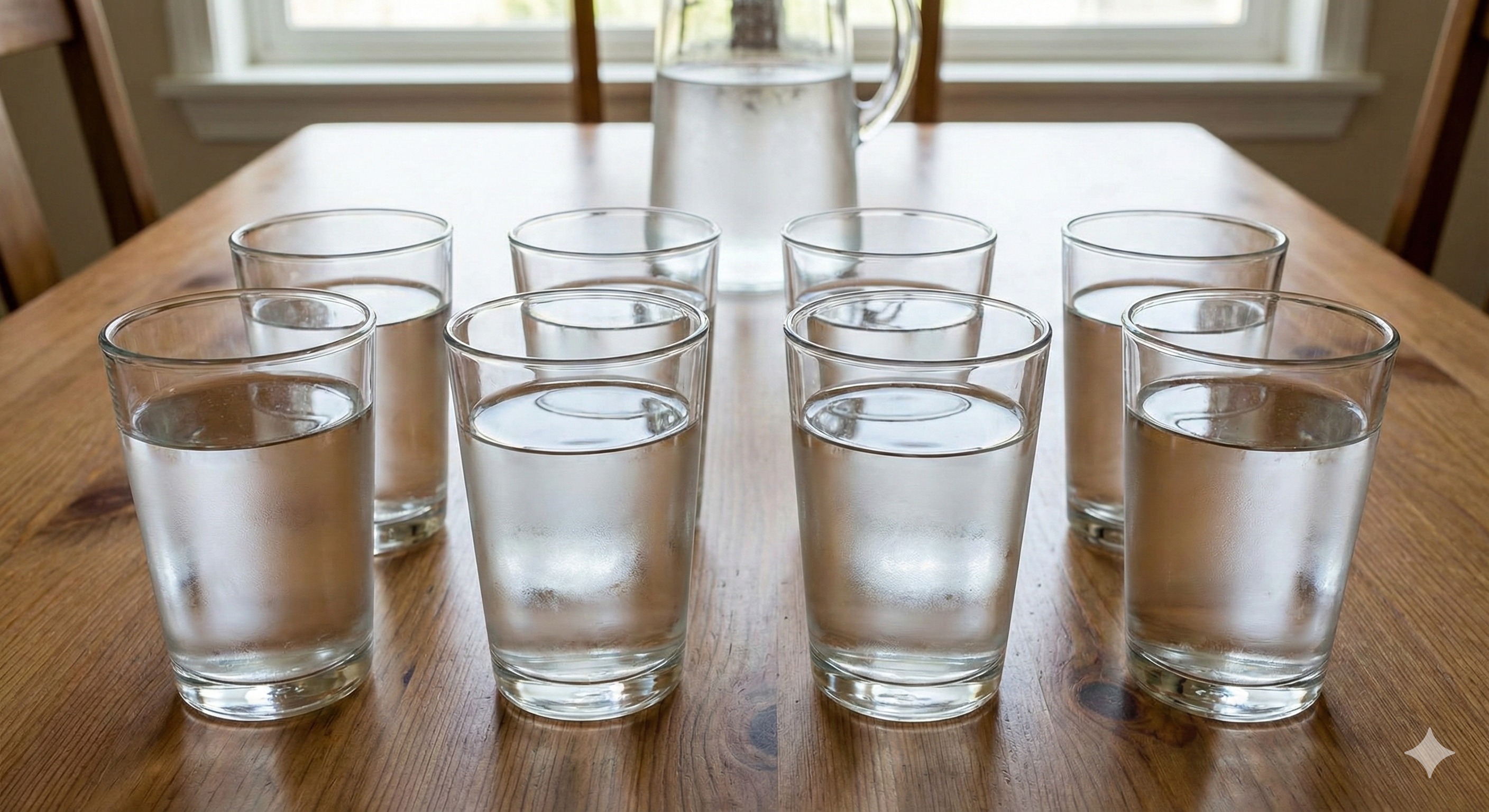
Between the shandy, the sugary chrysanthemum tea boxes, and the carbonated drinks, our poor kidneys are working hard!
Plus, during Chinese New Year, we often consume more “heaty” foods:
Dehydration can creep in quietly, especially when we replace water with tea or soft drinks.
Simple Hydration Tips
Good Hydration Helps
"Sleep" and "Chinese New Year" don't usually go together. Between midnight movie marathons at the cinema and late-night Mahjong sessions, we often burn the candle at both ends. However, inadequate sleep is a "diet-killer". While bonding is important, sleep deprivation takes a real toll on health.
Why sleep matters? (more than we think)
.png)
Lack of Sleep Affects
When We Sleep Less
How to Protect Your Sleep
Sleeping well helps you enjoy the festivities with better mood and energy.
Chinese New Year is actually a great time to move more — if we use the opportunity wisely. Don't just sit on the sofa and watch TV after eating! Use the festive spirit to get moving.
.jpg)
Natural Ways to Increase Steps
Turn festive movement into a habit.
Walking
Instead of seeing walking as “exercise”, think of it as part of your celebration routine.
Chinese New Year is about prosperity, health, and happiness. True 发财 is not just about money — it is about having the energy, health, and strength to enjoy life with our loved ones.
The “88888” practice is not a strict rule, and it is not meant only for the fifteen days of Chinese New Year. These five habits can be applied anytime throughout the year, helping us build a healthier lifestyle step by step.
This Chinese New Year, let us enjoy our traditions mindfully, take care of our bodies, and welcome the new year with real prosperity.
我们要发财,不是发福。
.png)