Shopping Cart
No item in your cart!
RM0.00
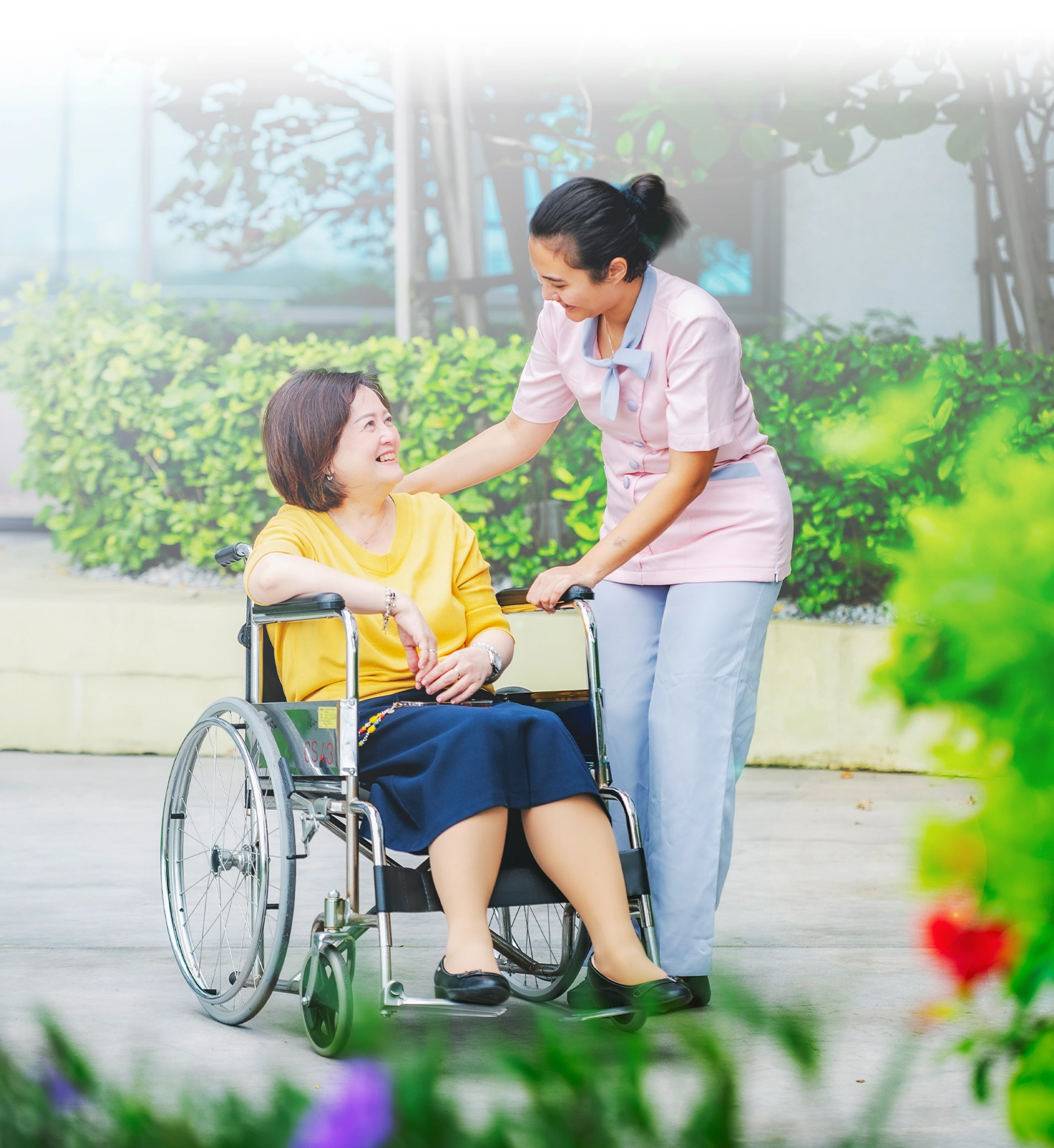
Rehabilitasi stroke adalah proses membantu pasien mempelajari kembali keterampilan yang hilang atau terganggu akibat kerusakan otak yang disebabkan oleh stroke. Proses ini tidak membalikkan efek stroke, tetapi memberikan otak kesempatan untuk mengatur ulang dan membentuk jalur-jalur baru.
Di Sunway Medical Centre Penang, rehabilitasi stroke disediakan oleh Pusat Rehabilitasi kami yang berdedikasi, didukung oleh tim fisioterapis, terapis okupasi, dan terapis wicara dan bahasa yang bekerja berdampingan dengan ahli saraf, dokter bedah saraf, dan dokter spesialis rehabilitasi kami untuk memberikan program pemulihan yang dipersonalisasi bagi setiap pasien stroke.
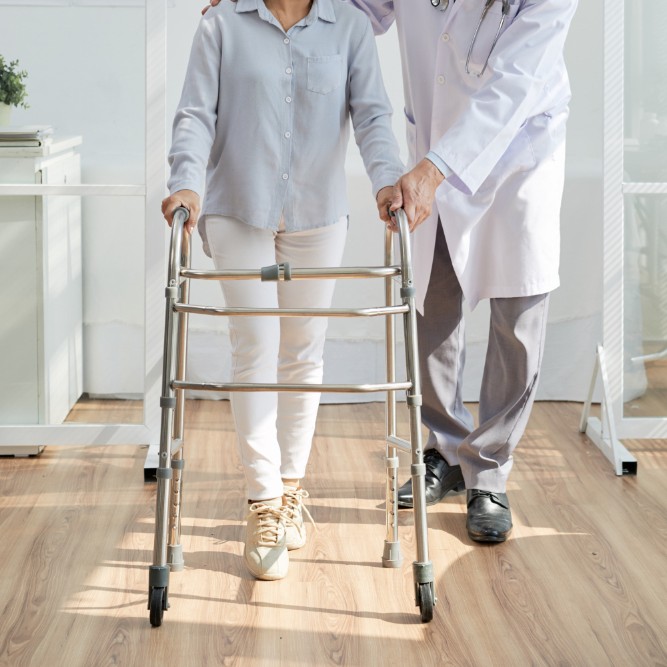
Proses rehabilitasi dimulai dalam 24 jam pertama setelah pasien mencapai kondisi medis yang stabil setelah pengobatan stroke akut.
Pada tahap awal, rehabilitasi dapat meliputi penempatan posisi tubuh yang lembut, gerakan pasif pada anggota tubuh yang terdampak, serta duduk atau berdiri dengan bantuan di bawah pengawasan tim fisioterapi kami.
Langkah-langkah awal ini penting untuk mencegah komplikasi seperti:
Rehabilitasi stroke diberikan melalui pendekatan tim yang melibatkan fisioterapi, terapi okupasi, dan terapi wicara dan bahasa, tergantung pada jenis dan tingkat keparahan gangguan yang dialami pasien.
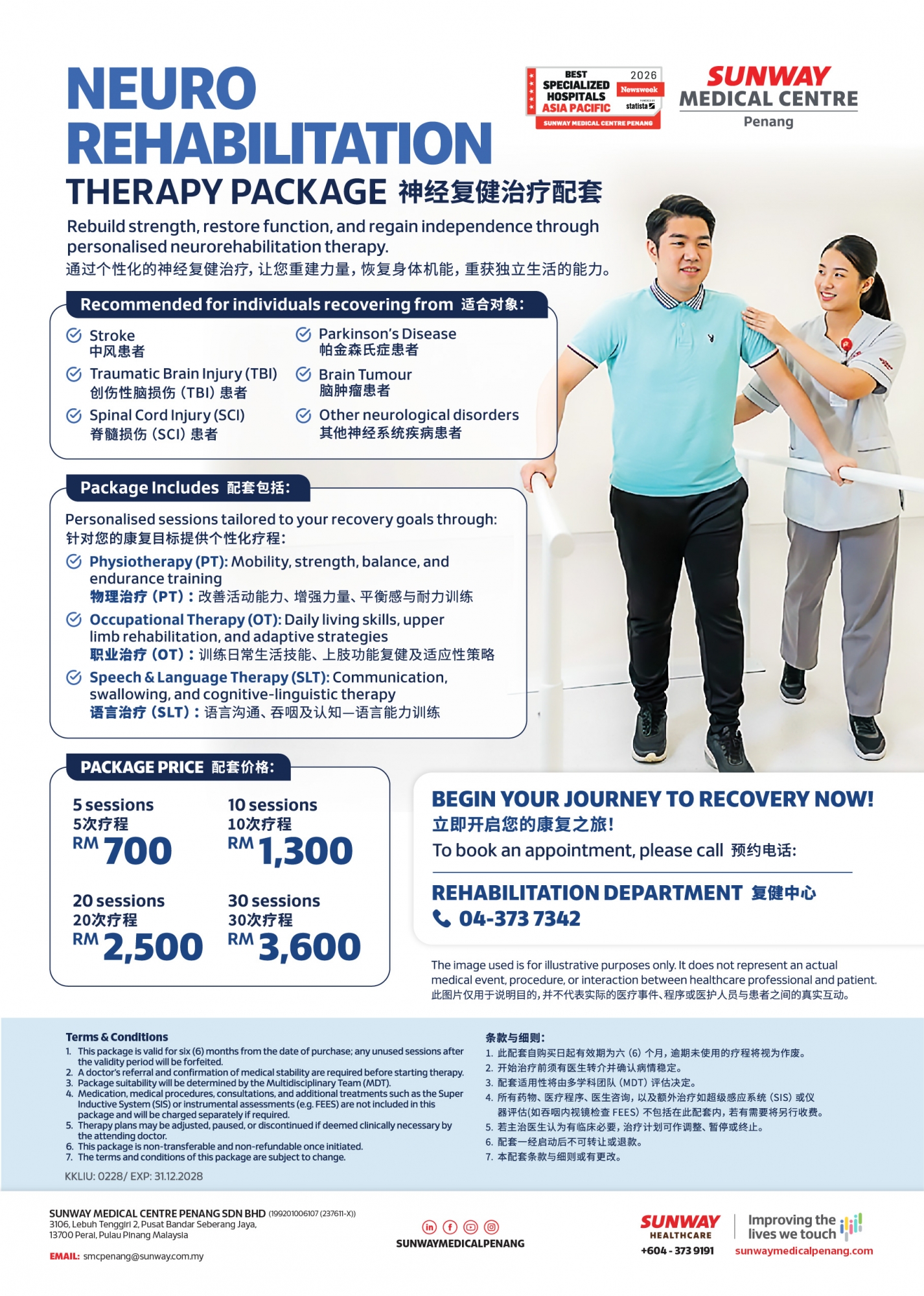
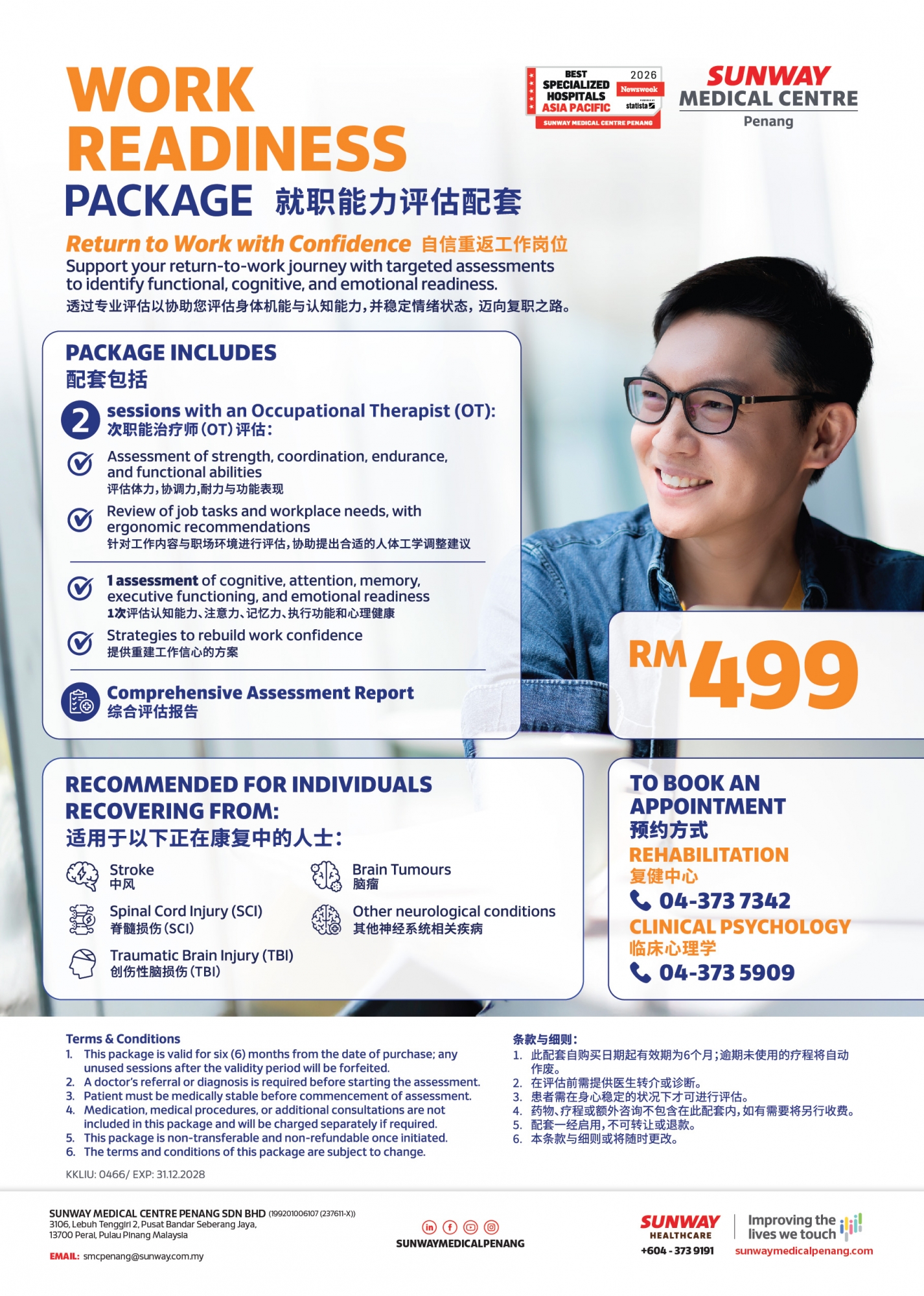
Di Sunway Medical Centre Penang, ketiga disiplin ilmu ini tersedia sebagai bagian dari Paket Terapi Neuro Rehabilitasi kami, yang direkomendasikan untuk pasien yang sedang pulih dari:
Fisioterapi setelah stroke berfokus pada pemulihan kemampuan bergerak, kekuatan otot, keseimbangan, dan fungsi fisik. Fisioterapis kami bekerja bersama pasien stroke dalam pelatihan mobilitas untuk membantu mereka mendapatkan kembali kemampuan duduk, berdiri, berjalan, dan bergerak secara aman dan mandiri.
Terapi okupasi setelah stroke berfokus pada membantu pasien mempelajari kembali dan memulihkan keterampilan praktis yang dibutuhkan dalam kehidupan sehari-hari. Stroke dapat memengaruhi kemampuan seseorang untuk melakukan tugas yang sebelumnya dilakukan tanpa berpikir, misalnya berpakaian, makan, menulis, mandi, dan menyiapkan makanan.
Intervensi spesifik yang diberikan oleh terapis okupasi kami meliputi:
Di Sunway Medical Centre Penang, terapis wicara dan bahasa kami menilai dan menangani pasien yang mengalami:
Bagi pasien dengan gangguan wicara dan bahasa, terapis kami menggunakan latihan terstruktur untuk melatih kembali otot-otot yang terlibat dalam berbicara, meningkatkan kemampuan mengingat kata dan membentuk kalimat, serta membangun kembali kemampuan memahami dan mengekspresikan bahasa dalam bentuk lisan maupun tulisan.
Pusat Rehabilitasi kami dilengkapi dengan peralatan khusus untuk mendukung rehabilitasi stroke di berbagai kebutuhan fungsional dan tahap pemulihan.
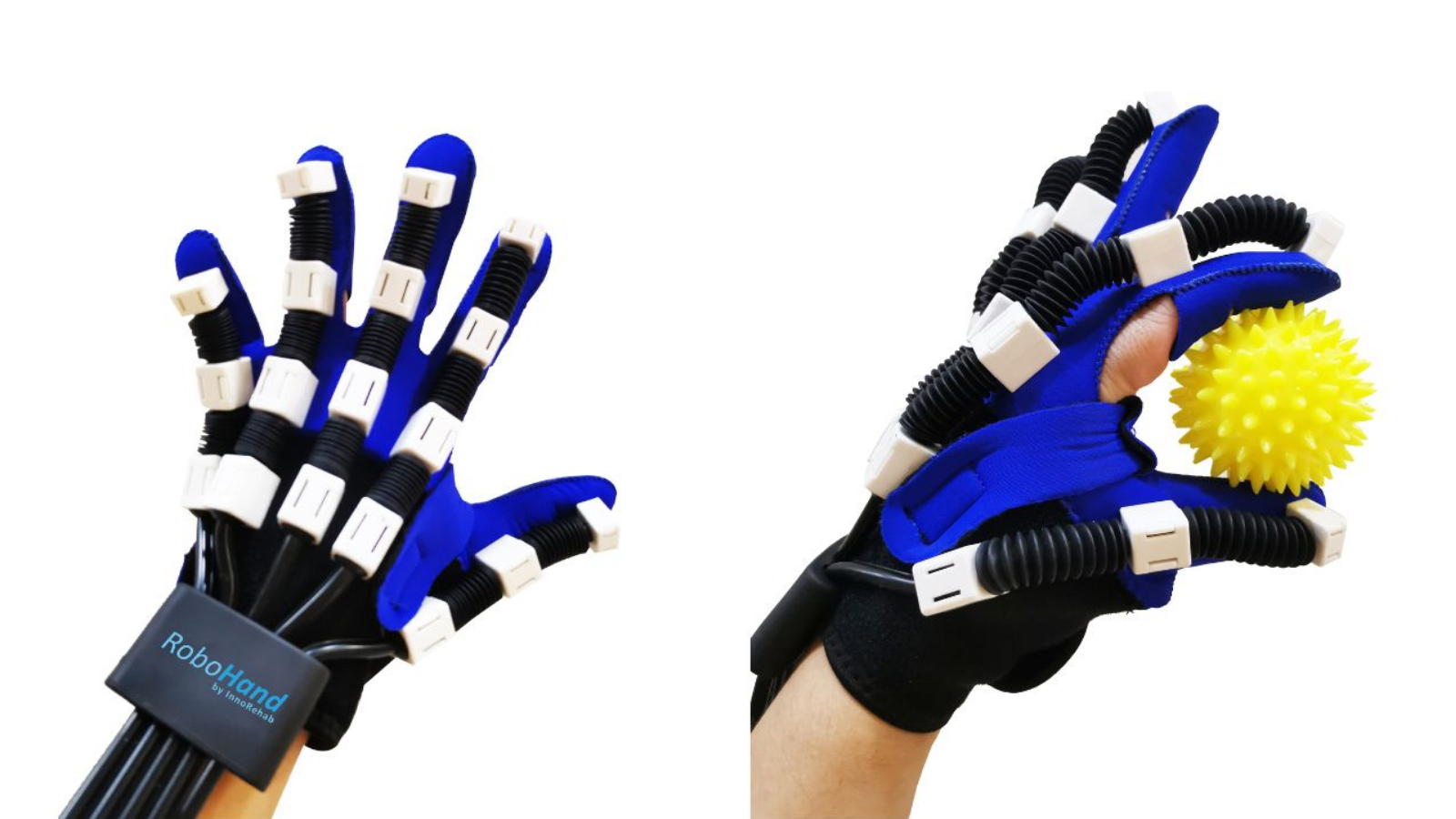
RobohandSarung tangan robotik lunak yang portabel untuk mendukung pemulihan fungsi tangan setelah stroke. Robohand menawarkan berbagai mode terapi, termasuk gerakan pasif berkelanjutan, terapi cermin, dan latihan resistansi, sehingga terapis dapat menyesuaikan sesi dengan tahap pemulihan setiap pasien. |
 |
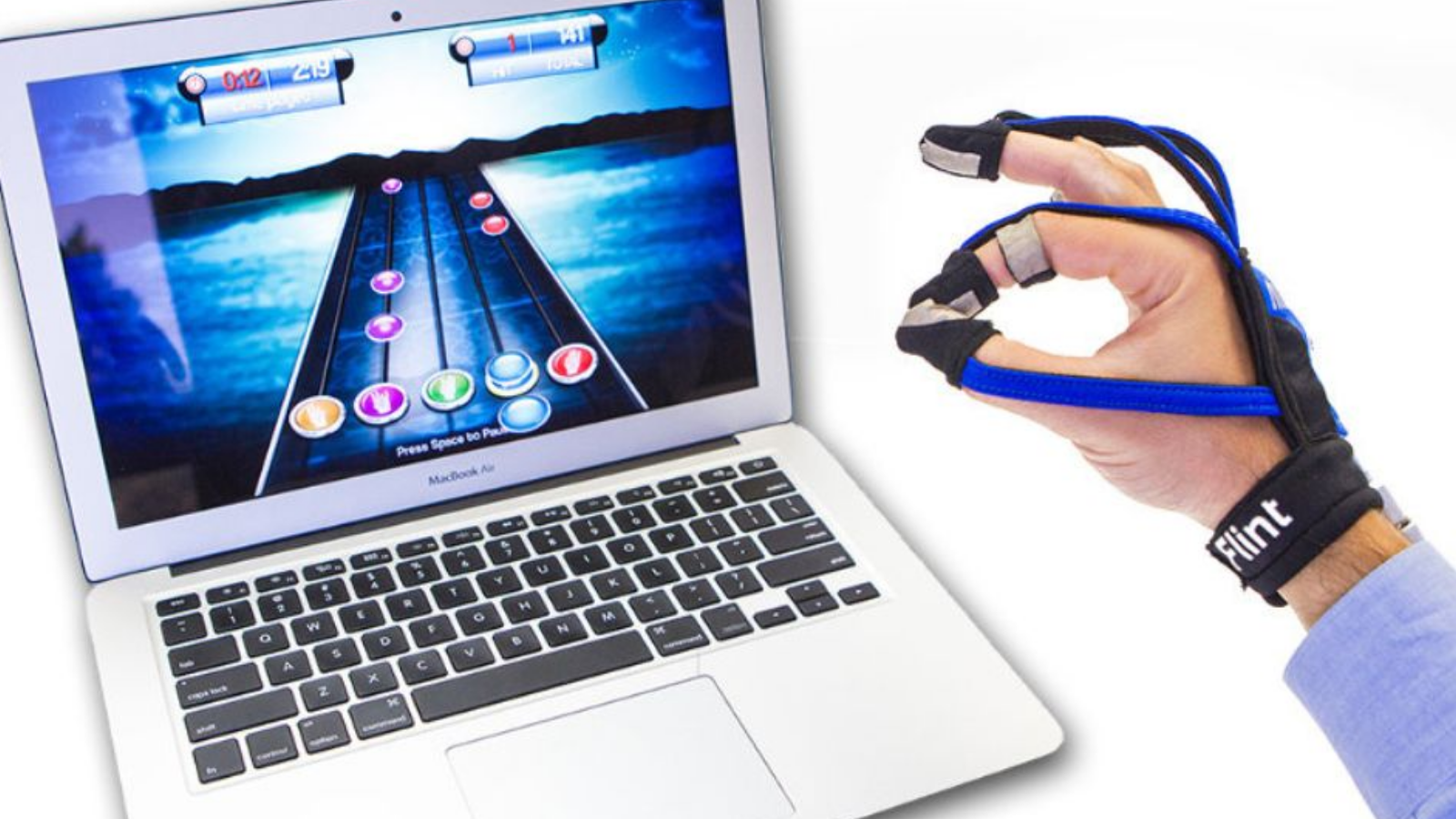
Music GlovePerangkat rehabilitasi tangan yang terdaftar di FDA, yang menggabungkan gerakan terapeutik dengan permainan musik interaktif. Pasien menyelesaikan ratusan latihan tangan per sesi dalam format yang menarik dan memotivasi, membantu membangun kembali kontrol motorik halus setelah stroke. |
 |
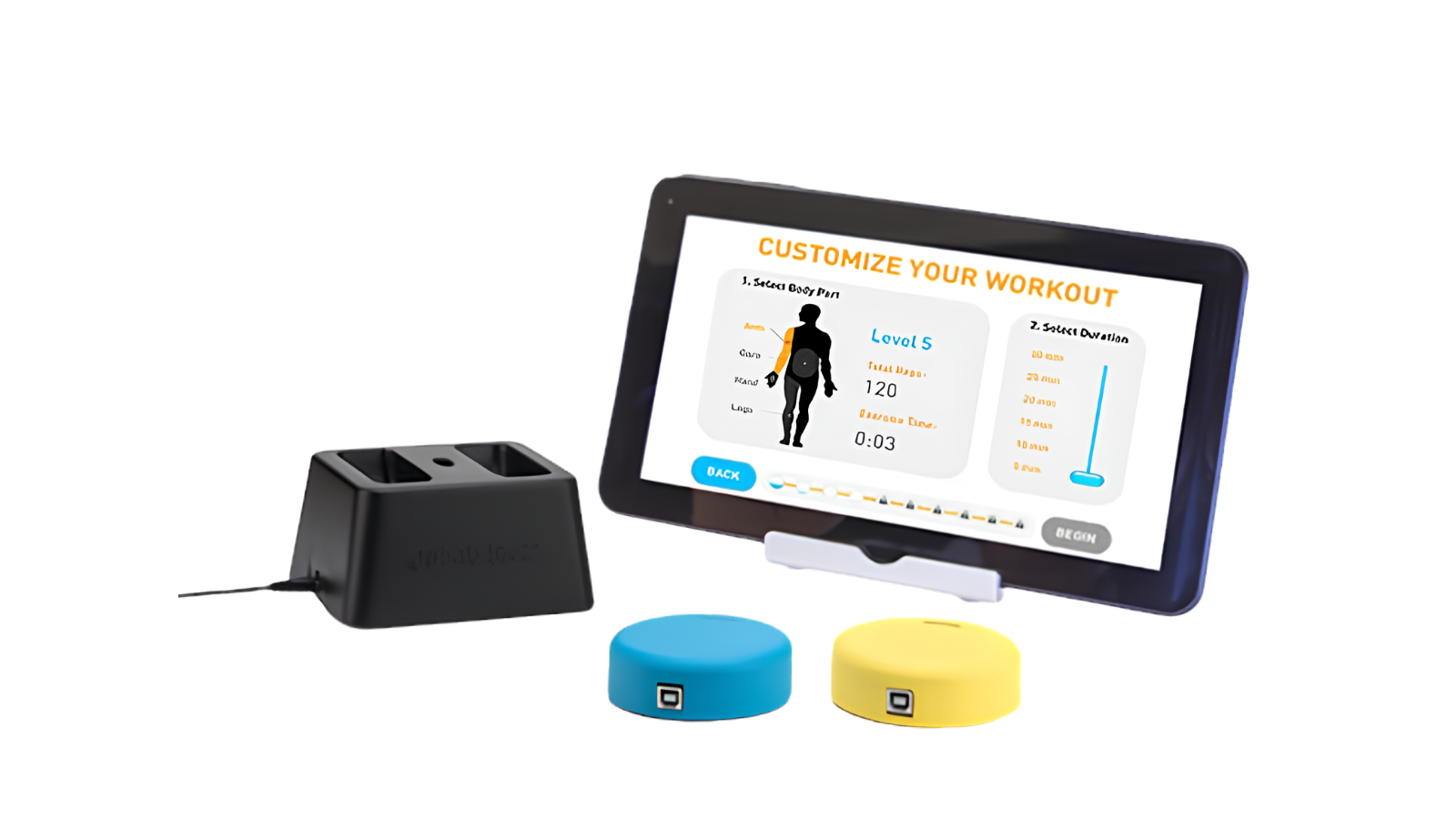
FitMi HomeSistem neurorehabilitasi seluruh tubuh yang mendukung pemulihan gerakan pada tangan, lengan, inti tubuh, dan kaki. FitMi Home membimbing pasien melalui latihan terapeutik menggunakan sensor nirkabel, dengan tingkat kesulitan yang menyesuaikan secara otomatis seiring kemajuan pasien. |
 |
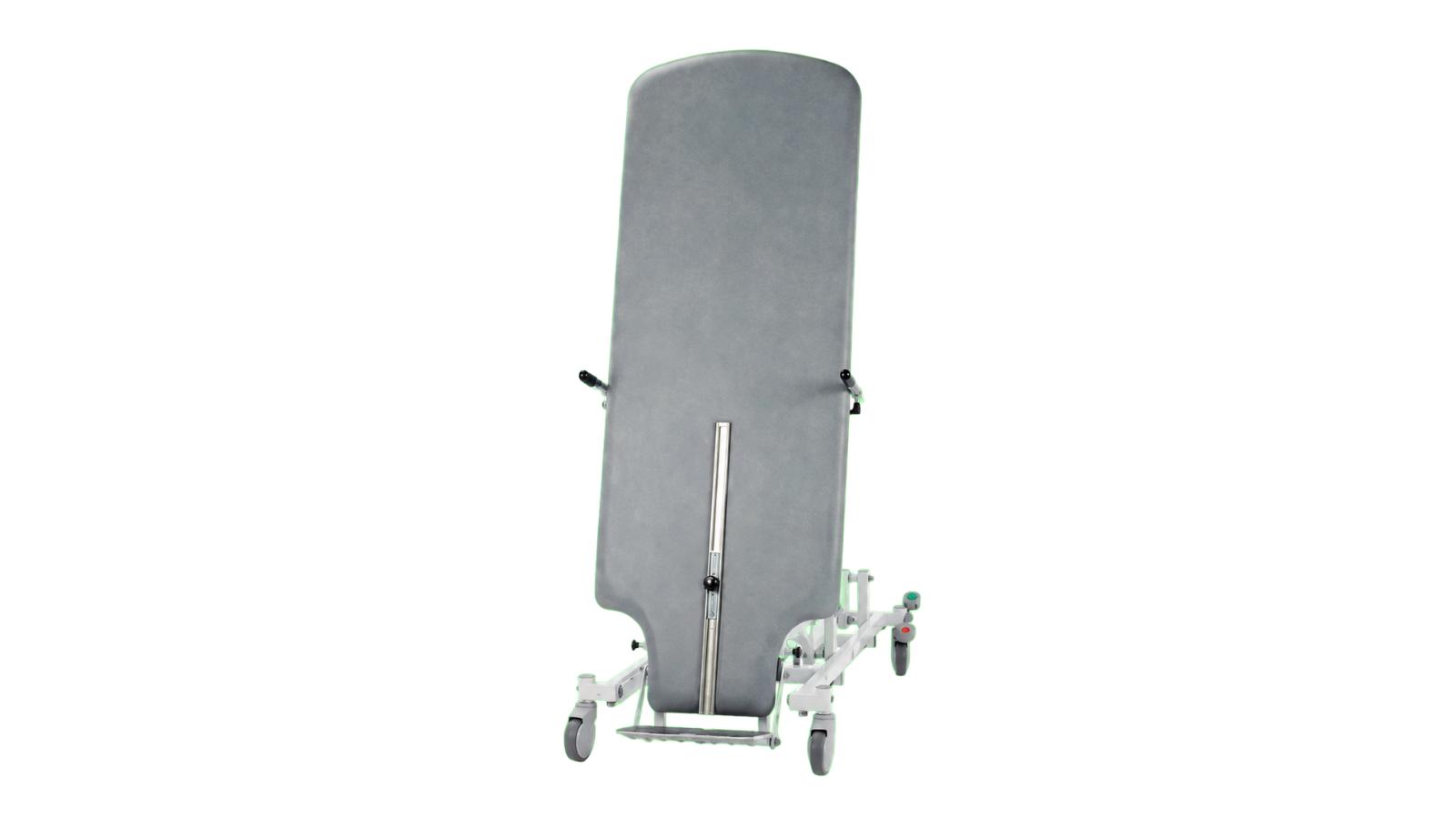
Meja Tilt (Tilt Table)Meja tilt digunakan pada tahap awal rehabilitasi untuk pasien yang belum dapat berdiri secara mandiri. Alat ini merangsang sirkulasi, membantu menjaga kepadatan tulang, mengurangi risiko luka tekan, dan mulai mempersiapkan sistem neuromuskular untuk berdiri dan berjalan. |
 |
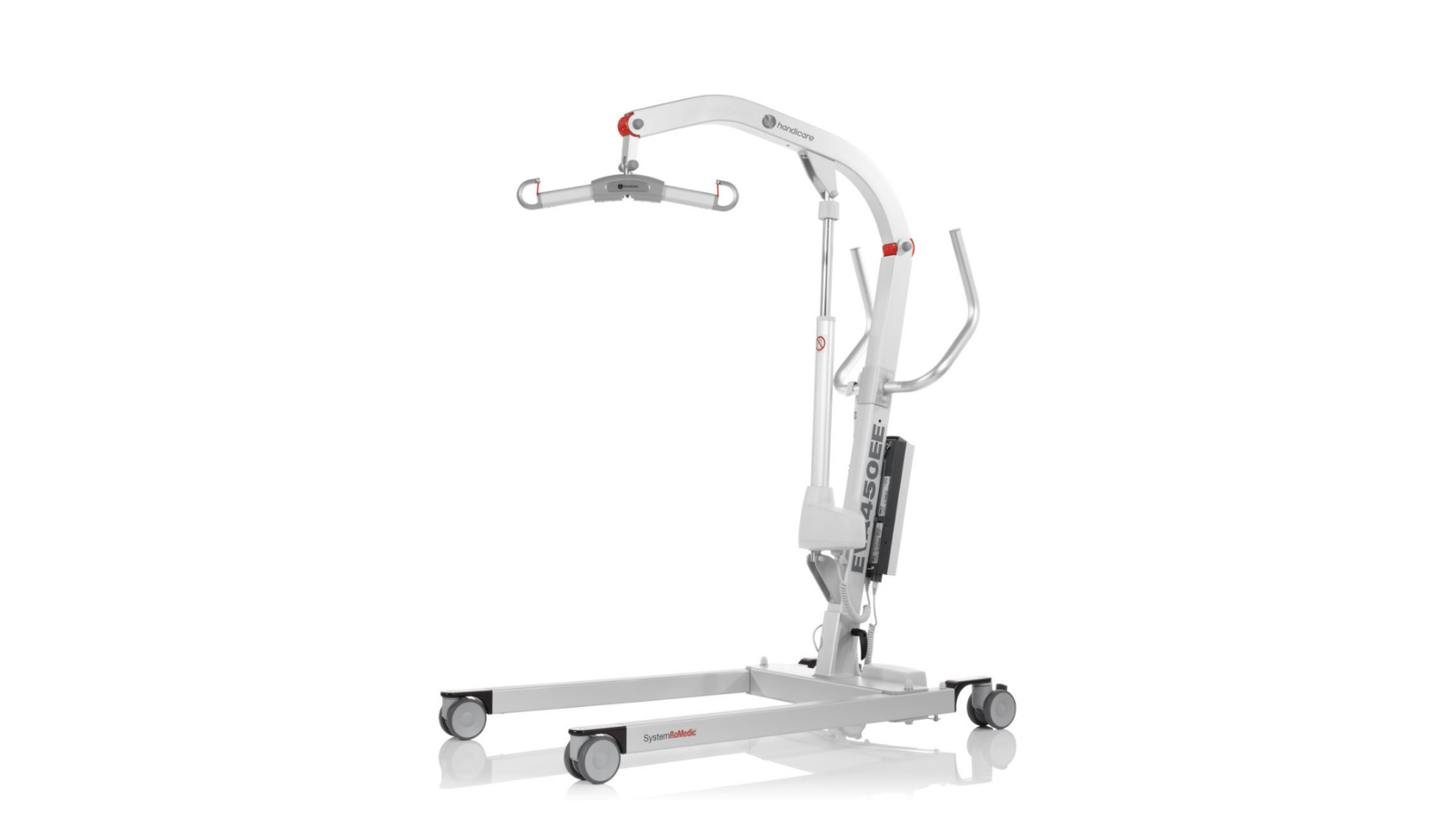
HoistHoist adalah alat pengangkat mekanis yang digunakan untuk memindahkan pasien dengan keterbatasan fisik yang signifikan secara aman, misalnya dari tempat tidur ke kursi, atau dari kursi ke posisi berdiri. Alat ini mendukung keselamatan pasien sekaligus menjaga kesehatan fisik staf perawat dan terapis saat melakukan pemindahan. |
|
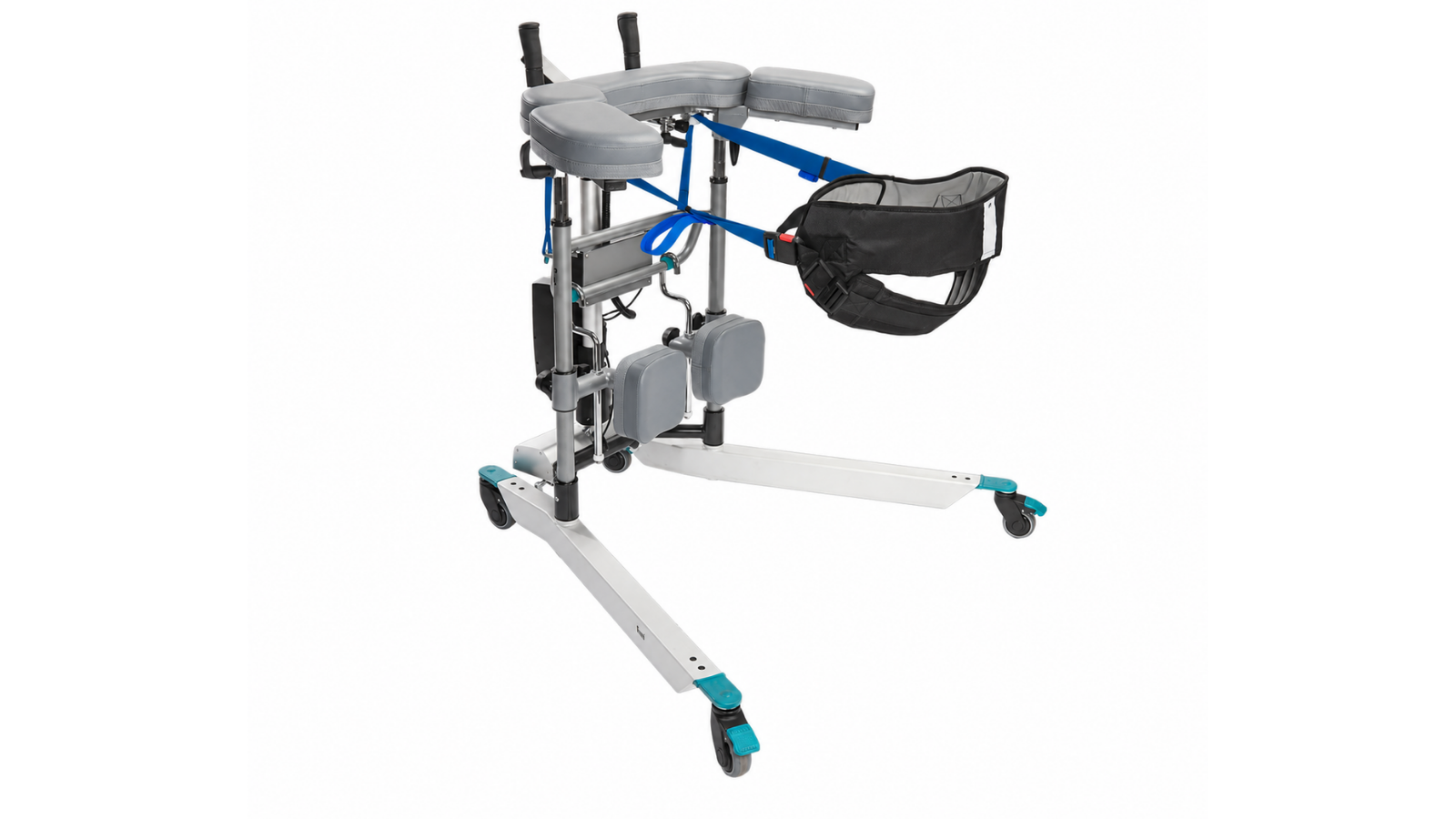
Rise and Go WalkerRise and Go Walker adalah alat bantu mobilitas khusus yang dirancang untuk membantu pasien pada tahap awal rehabilitasi berjalan. Alat ini memberikan dukungan saat transisi dari duduk ke berdiri dan saat berjalan dengan bantuan. |
 |
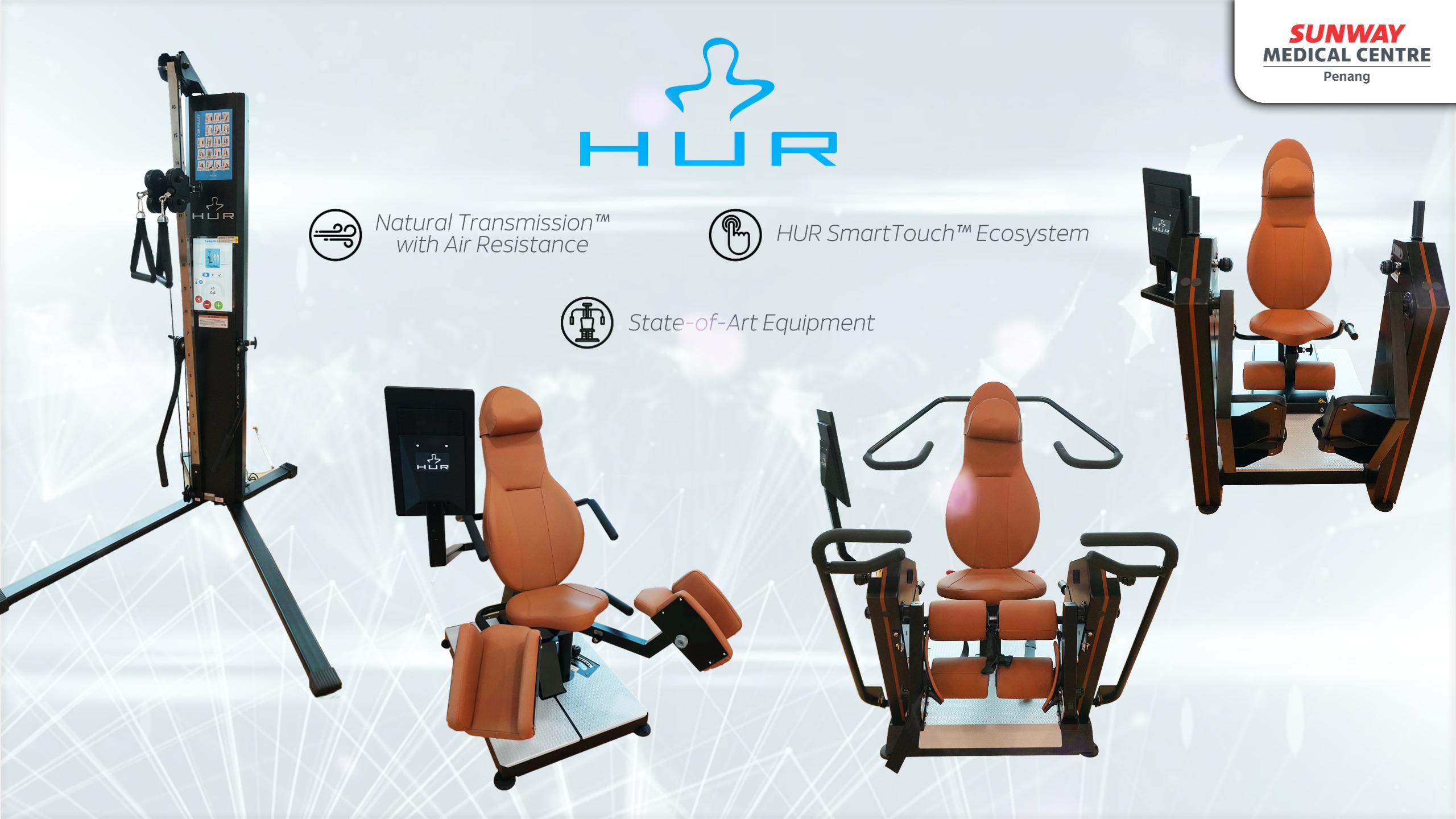
Mesin Latihan HURMesin Latihan HUR adalah sistem latihan resistansi berbasis pneumatik yang dirancang khusus untuk pasien rehabilitasi dan lansia. Berbeda dengan mesin beban konvensional, peralatan HUR menggunakan udara bertekanan, sehingga memungkinkan beban awal yang sangat presisi dan rendah resistansi yang dapat ditingkatkan secara bertahap seiring bertambahnya kekuatan pasien. |
 |
Di Sunway Medical Centre Penang, tim rehabilitasi kami mendampingi keluarga Anda di setiap langkah — dari hari-hari pertama di rumah sakit hingga perencanaan pulang dan seterusnya. Pemulihan membutuhkan waktu, kesabaran, dan konsistensi, tetapi dengan dukungan yang tepat, kemajuan yang berarti mungkin terjadi di setiap tahap.
Konsultasikan dengan Spesialis Stroke atau tim Rehabilitasi kami untuk memahami apa yang akan dijalani dalam rehabilitasi untuk situasi spesifik Anda dan tujuan apa yang perlu dicapai.
Pelajari lebih lanjut tentang perawatan stroke di Pusat Stroke kami di Penang
Baca Selengkapnya: Apa itu Stroke? | Bagaimana Stroke Didiagnosis? | Gejala dan Tanda Peringatan Stroke | Faktor Risiko Stroke | Pencegahan Stroke | Pengobatan Stroke | Spesialis Stroke | Rehabilitasi Stroke















Make Appointment Now
Looking for Specialist Care? Schedule a Consultation Today.