Shopping Cart
No item in your cart!
RM0.00

文章作者: Dr Ooi Poh Siang, Family Medicine Specialist
09 January 2026
Every January, we observe Cervical Cancer Awareness Month. Represented by the teal and white ribbon, this month is a vital reminder that cervical cancer is one of the most preventable forms of cancer. Through vaccination and regular screening, we have the power to protect ourselves and our loved ones.

According to the latest National Cancer Registry Report (2017–2021), cervical cancer is the sixth most common cancer among women in Malaysia.

There is good news: the incidence rate is steadily decreasing. It dropped from 7.6 per 100,000 women (2007–2011), 6.2 per 100,000 women (2012–2016) to 6.0 per 100,000 women (2017–2021). This progress is thanks to our national vaccination and screening programs. However, a concerning 47.1% of cases are still diagnosed at late stages (Stages 3 & 4), which highlights the urgent need for earlier detection.
Most women with early-stage cervical cancer have no symptoms at all. This is why screening is so important.
However, you should consult a doctor immediately if you experience:
The Human Papillomavirus (HPV) is the primary cause of cervical cancer. Other factors that can increase your risk include:
Because cervical cancer develops slowly, catching it early makes it highly treatable. Cervical cancer is unique because it is almost entirely caused by HPV. Understanding how this virus works is the key to why we can eliminate this cancer. There are over 100 types of HPV. While many are harmless, about 15 "high-risk" types are known to cause cancer.
Most people will get HPV at some point in their lives, and the body usually clears it on its own. However, in about 4% to 10% of women, the infection doesn't go away. This is called a persistent infection. It typically takes 10 to 15 years for a persistent HPV infection to turn healthy cells into cancer. This "slow-motion" process is exactly why regular screening (Pap smears and HPV tests) is so effective—it gives us a huge window of time to catch and treat the problem before it ever becomes cancer.
In Malaysia, roughly 7% of healthy women carry the HPV virus. Without screening, these women are at a higher risk of developing cervical cancer later in life.
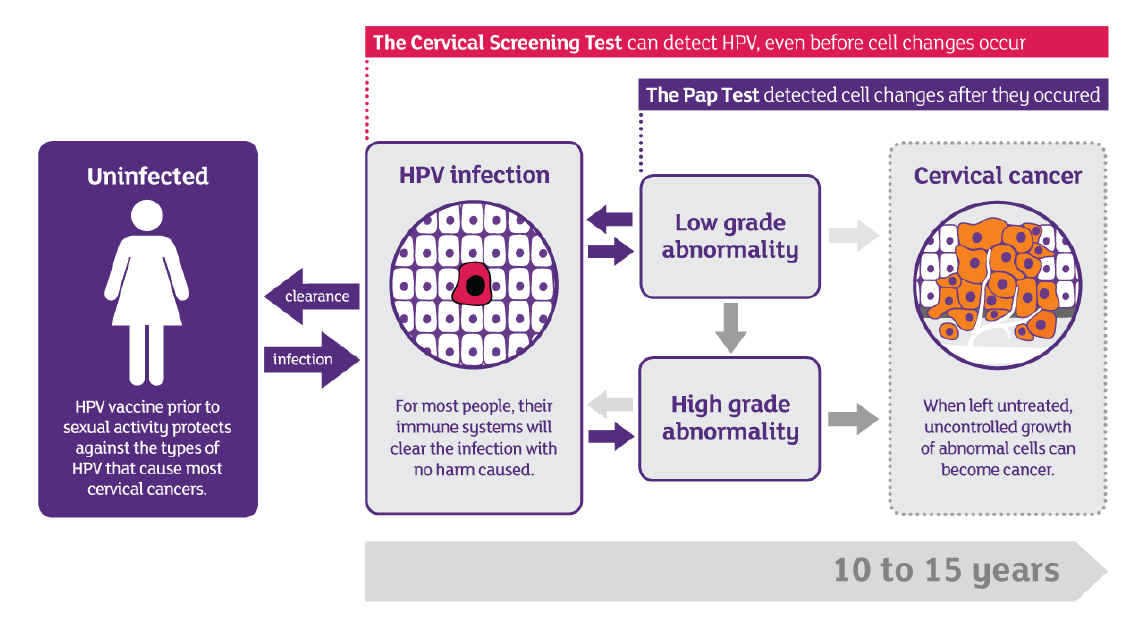
*Picture from Guidelines For Cervical Cancer Screening In Malaysia 2023
Even though screening services are widely available in Malaysia, the number of women coming forward for testing remains low, with participation rates between only 23% and 26%. This coverage dropped by as much as 50% following the COVID-19 pandemic. I strongly encourage everyone who is eligible to come forward and get tested.
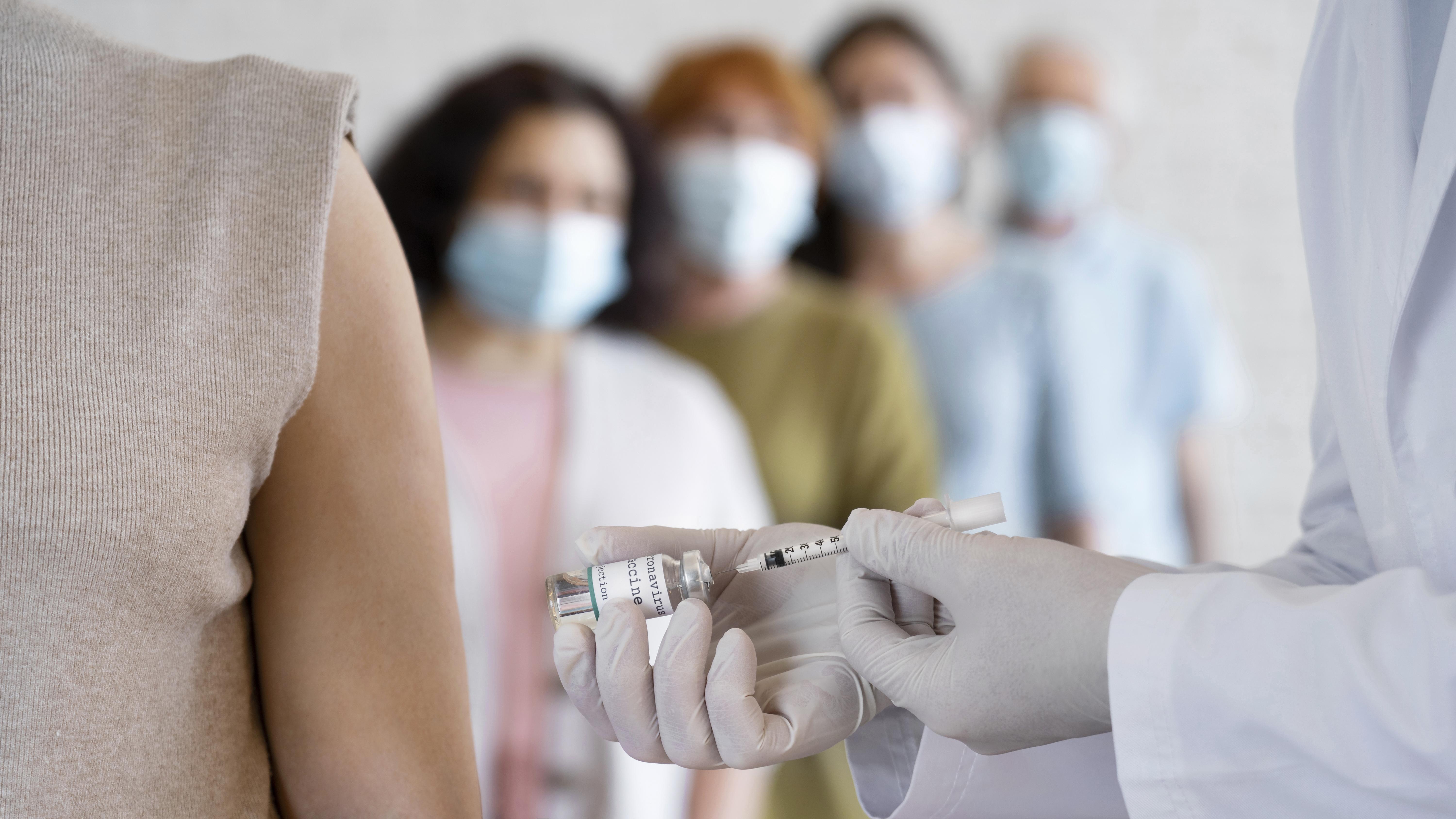
Since 2010, Malaysia has provided HPV vaccinations to 13-year-old schoolgirls. This protects them before they are ever exposed to the virus. Research shows this can prevent up to 89% of cervical cancer cases.
Missed your school vaccination? It’s not too late. Adults up to age 45 can still get vaccinated. For those aged 15 and older, a 3-dose schedule (at 0, 1–2, and 6 months) is required.
We are moving toward a world where this disease no longer claims lives. Australia is set to lead the world as the first nation to eliminate cervical cancer, with a target date of 2035. A major milestone was reached in 2021 when, for the first time since 1982, no new cases were diagnosed in women under the age of 25. Additionally, survival rates for the disease continue to rise. Closer to home, Sarawak has set an ambitious goal to be free of cervical cancer by 2030.
We have the tools—vaccines and screenings—to make this a reality. If you are eligible, please come forward for your check-up. It is a simple step that can save your life.