Shopping Cart
No item in your cart!
RM0.00

Sebagian faktor risiko dapat dikelola atau dikendalikan melalui pengobatan dan perubahan gaya hidup, sementara faktor lain seperti usia dan riwayat keluarga tidak dapat diubah. Memahami faktor risiko mana yang berlaku bagi Anda adalah langkah penting untuk mengurangi risiko stroke secara keseluruhan.
Sebuah penelitian di Malaysia menemukan bahwa lebih dari 70% pasien stroke iskemik memiliki hipertensi, hampir setengahnya menderita diabetes, dan sekitar sepertiga memiliki kolesterol tinggi saat mengalami stroke. Ini menunjukkan betapa eratnya hubungan antara risiko stroke di Malaysia dengan sejumlah kecil kondisi umum yang sebenarnya dapat dikelola.
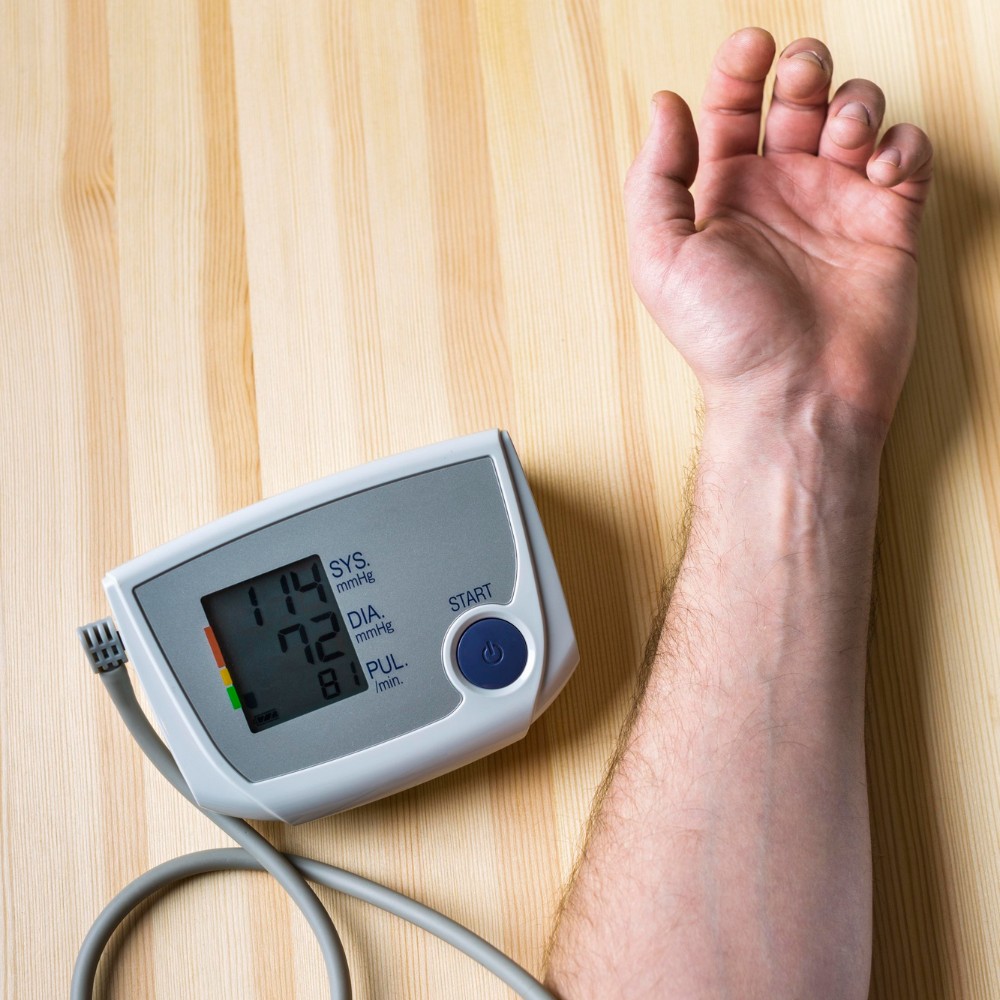
Risiko stroke jarang disebabkan oleh satu faktor saja. Dalam kebanyakan kasus, stroke merupakan hasil dari kombinasi kondisi medis, kebiasaan gaya hidup, dan faktor seperti usia yang tidak dapat diubah. Data Survei Kesehatan dan Morbiditas Nasional menunjukkan bahwa lebih dari 60% orang dewasa Malaysia memiliki setidaknya satu faktor risiko kardiovaskular, yang berarti risiko stroke memengaruhi sebagian besar populasi, seringkali tanpa mereka sadari sepenuhnya.
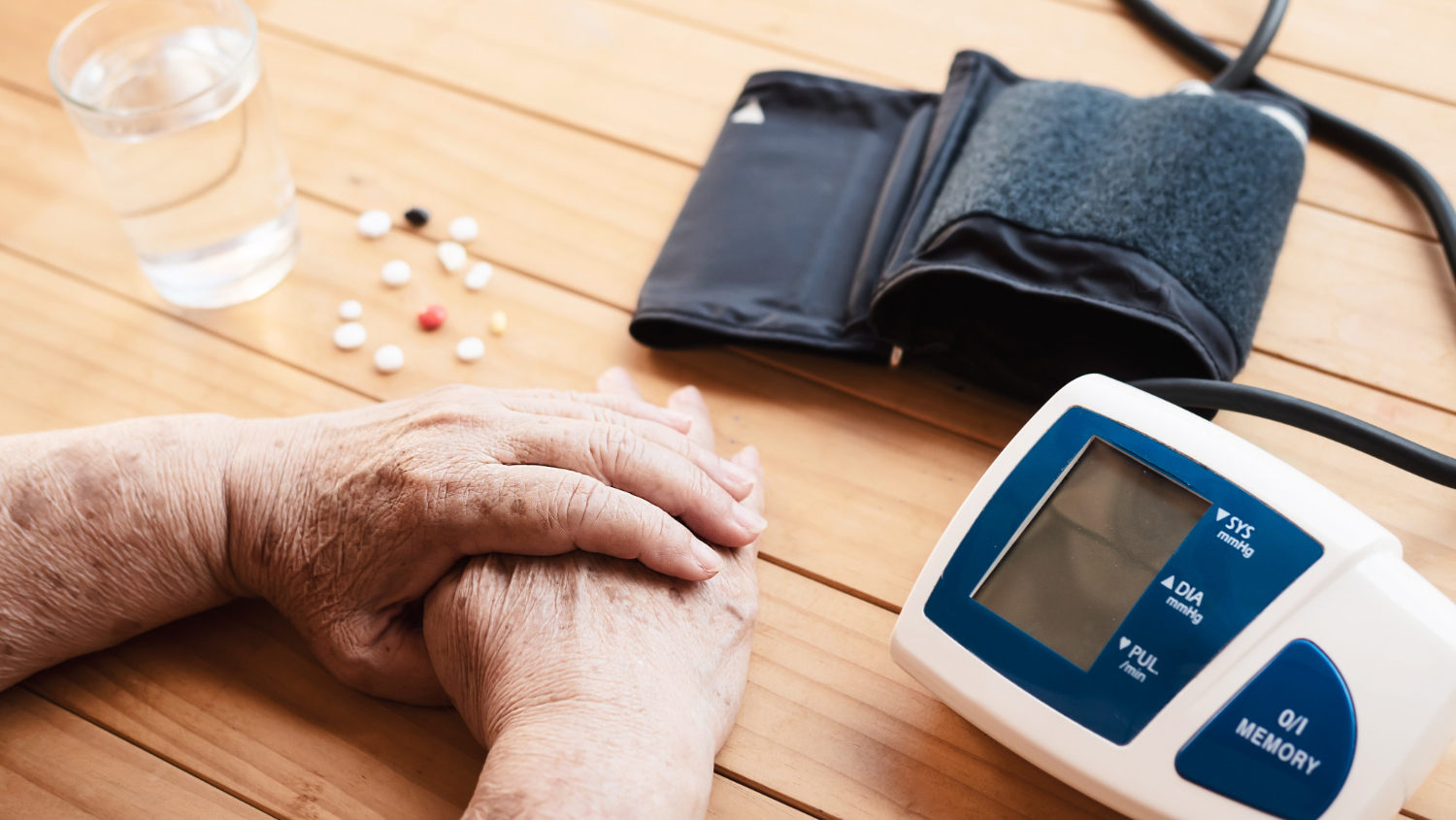
Tekanan darah tinggi, atau hipertensi, adalah faktor risiko tunggal yang paling signifikan untuk stroke. Seiring waktu, tekanan darah yang terus-menerus tinggi merusak dan melemahkan dinding pembuluh darah di seluruh tubuh, termasuk di otak, sehingga lebih rentan menyempit, tersumbat, atau pecah.
Menurut NHMS 2023, hipertensi memengaruhi sekitar 29,2% orang dewasa Malaysia, dan sebuah studi nasional terpisah menemukan angka tersebut mendekati 49% bila memperhitungkan kasus yang belum terdiagnosis.
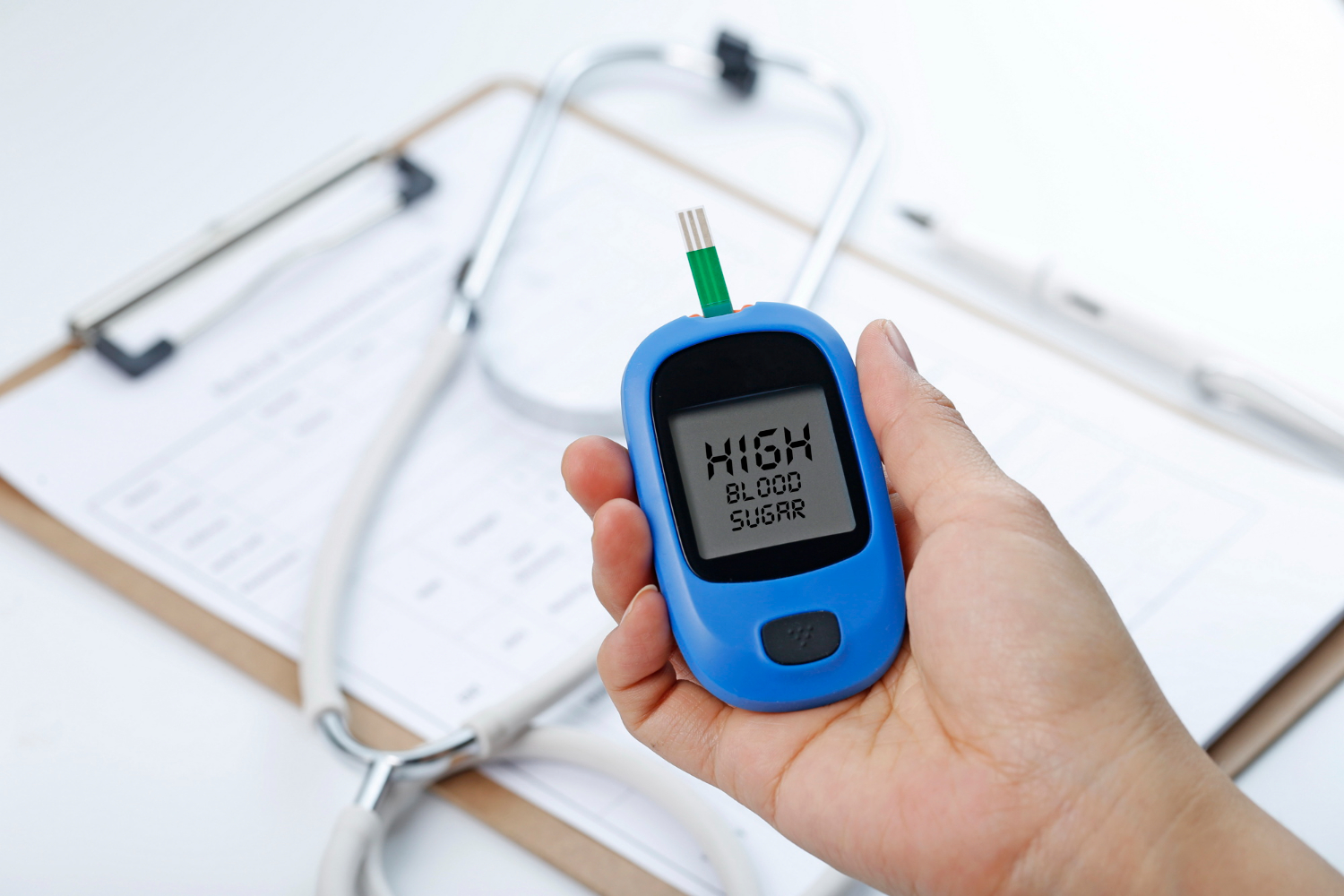
Diabetes secara signifikan meningkatkan risiko stroke dengan merusak pembuluh darah dan mempercepat penumpukan lemak di dalamnya seiring waktu.
Prevalensi diabetes di Malaysia mencapai 15,6% pada tahun 2023, melanjutkan tren kenaikan jangka panjang dari survei sebelumnya. Temuan yang sangat mengkhawatirkan adalah bahwa sebagian besar penderita diabetes di Malaysia belum terdiagnosis, terutama di kalangan dewasa muda, yang berarti banyak orang hidup dengan faktor risiko ini tanpa menyadarinya.

Fibrilasi atrium, atau AFib, adalah gangguan irama jantung di mana bilik atas jantung berdetak tidak sinkron dengan bilik bawah. Irama yang tidak teratur ini memungkinkan darah menggenang dan membentuk bekuan, yang kemudian dapat mengalir melalui aliran darah ke otak dan menyebabkan stroke iskemik.
AFib dianggap sebagai salah satu faktor risiko stroke yang paling sering tidak dikenali dan tidak ditangani, sebagian karena kondisi ini bisa terjadi tanpa gejala yang jelas. Mengidentifikasi dan mengobati AFib dengan obat yang tepat dapat secara signifikan mengurangi risiko stroke pada individu yang terdampak.

Kolesterol tinggi berkontribusi pada penumpukan endapan lemak, yang dikenal sebagai plak, di dalam dinding arteri dan meningkatkan kemungkinan terbentuknya bekuan darah atau tersumbatnya aliran darah ke otak.
Hiperkolesterolemia memengaruhi sekitar satu dari tiga orang dewasa Malaysia, dan seperti tekanan darah tinggi dan diabetes, kondisi ini sering tidak menimbulkan gejala yang terlihat hingga berkontribusi pada kejadian yang lebih serius seperti stroke atau serangan jantung.

Pernah mengalami stroke atau serangan iskemik sementara (TIA) sebelumnya secara signifikan meningkatkan risiko stroke di masa mendatang.
Itulah mengapa mengidentifikasi dan mengelola penyebab mendasar dari stroke pertama atau TIA merupakan bagian yang sangat penting dari perawatan jangka panjang, bukan sesuatu yang berakhir begitu pasien keluar dari rumah sakit.
Selain kondisi medis yang mendasarinya, beberapa kebiasaan sehari-hari dan faktor gaya hidup juga dapat meningkatkan risiko stroke secara bermakna seiring waktu.
Merokok – Merusak pembuluh darah, meningkatkan tekanan darah, dan membuat darah lebih mudah membeku, yang semuanya secara langsung meningkatkan risiko stroke.
Obesitas – Memberikan beban tambahan pada jantung dan pembuluh darah serta berkaitan erat dengan perkembangan tekanan darah tinggi, diabetes, dan kolesterol tinggi.
Kurang Aktif Bergerak – Dikaitkan dengan risiko stroke yang lebih tinggi, karena aktivitas fisik yang teratur membantu menjaga tekanan darah, gula darah, dan kadar kolesterol yang sehat.
Konsumsi Alkohol Berlebihan – Dapat meningkatkan tekanan darah dan berkontribusi pada gangguan irama jantung, keduanya meningkatkan risiko stroke.
Pola Makan Tidak Sehat – Pola makan tinggi garam, lemak jenuh, dan makanan olahan serta rendah buah dan sayuran berkontribusi secara bermakna pada perkembangan faktor risiko medis yang disebutkan di atas, termasuk tekanan darah tinggi, diabetes, dan kolesterol tinggi.
Stroke semakin banyak memengaruhi dewasa muda di Malaysia, bukan hanya orang tua. Data rawat inap rumah sakit menunjukkan peningkatan yang signifikan dalam insiden stroke pada orang di bawah 65 tahun, dengan peningkatan paling tajam terjadi pada mereka yang berusia akhir 30-an.
Pada dewasa muda, stroke sering dikaitkan dengan faktor risiko mendasar yang sama seperti pada pasien yang lebih tua, terutama tekanan darah tinggi dan diabetes yang belum terdiagnosis, tetapi juga dapat dikaitkan dengan penyebab yang lebih jarang, seperti:
Memahami faktor risiko pribadi Anda adalah fondasi untuk mengambil tindakan guna menguranginya. Banyak faktor risiko stroke yang paling signifikan, termasuk tekanan darah tinggi, diabetes, dan kolesterol tinggi, dapat diidentifikasi melalui pemeriksaan kesehatan sederhana dan dikelola secara efektif begitu diketahui.
Pelajari lebih lanjut tentang perawatan stroke di Pusat Stroke kami di Penang
Baca Selengkapnya: Apa itu Stroke? | Bagaimana Stroke Didiagnosis? | Gejala dan Tanda Peringatan Stroke | Pencegahan Stroke | Pengobatan Stroke | Spesialis Stroke | Rehabilitasi Stroke

























Make Appointment Now
Looking for Specialist Care? Schedule a Consultation Today.