Shopping Cart
No item in your cart!
RM0.00

Cancer is a complex disease that develops when normal cells undergo abnormal changes and begin to grow uncontrollably.
In most cases, Cancer does not have a single cause. It usually results from a combination of genetic factors and environmental or lifestyle exposure over time.
Understanding what causes cancer and the factors that increase cancer risk can help individuals make informed health decisions, recognise potential risks early, and seek appropriate medical advice when needed.
Cancer risk factors can vary from person to person and often involve a combination of lifestyle habits, environmental exposures, and individual health factors. These may include long-term behaviours, workplace or environmental conditions, certain infections, and overall health status. While not everyone exposed to these factors will develop cancer, understanding common risk factors helps improve awareness and supports early detection efforts.
 |
Smoking is one of the most significant risk factors for cancer. Tobacco smoke contains harmful chemicals that can damage cells and DNA, increasing the risk of cancers such as lung, mouth, throat, stomach, bladder, and kidney cancer. Exposure to second-hand smoke can also raise cancer risk in non-smokers. |
 |
Prolonged exposure to ultraviolet (UV) radiation from the sun or tanning devices can damage skin cells and increase the risk of skin cancer. Individuals with frequent sunburns or long-term sun exposure may be at higher risk. Protecting the skin through appropriate clothing, sunscreen, and limiting direct sun exposure can help reduce this risk. |
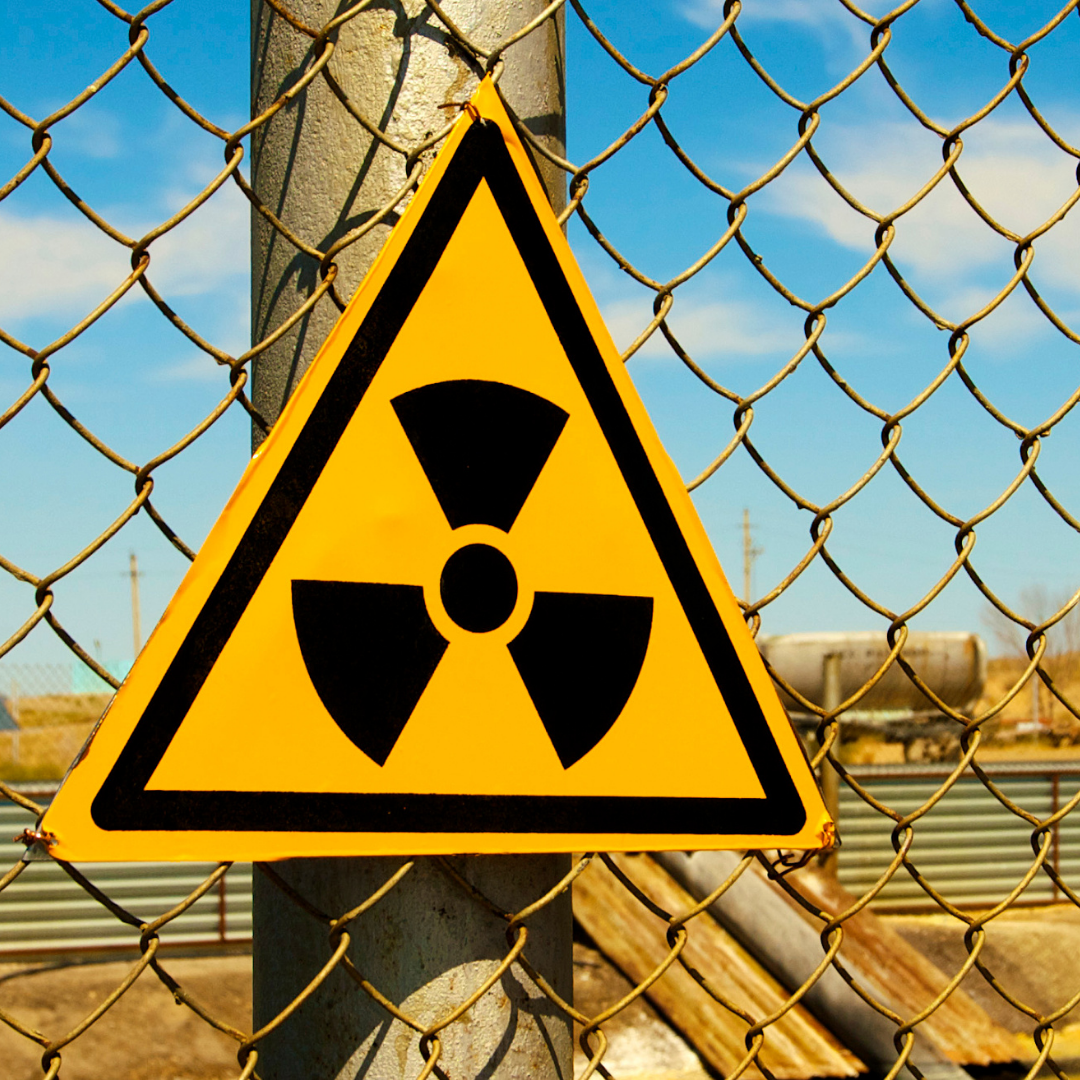 |
Exposure to radiation from environmental or occupational sources can increase cancer risk by damaging DNA. Medical imaging procedures such as X-rays and CT scans involve low levels of radiation and are generally safe when used appropriately, as their benefits often outweigh potential risks when clinically necessary. |
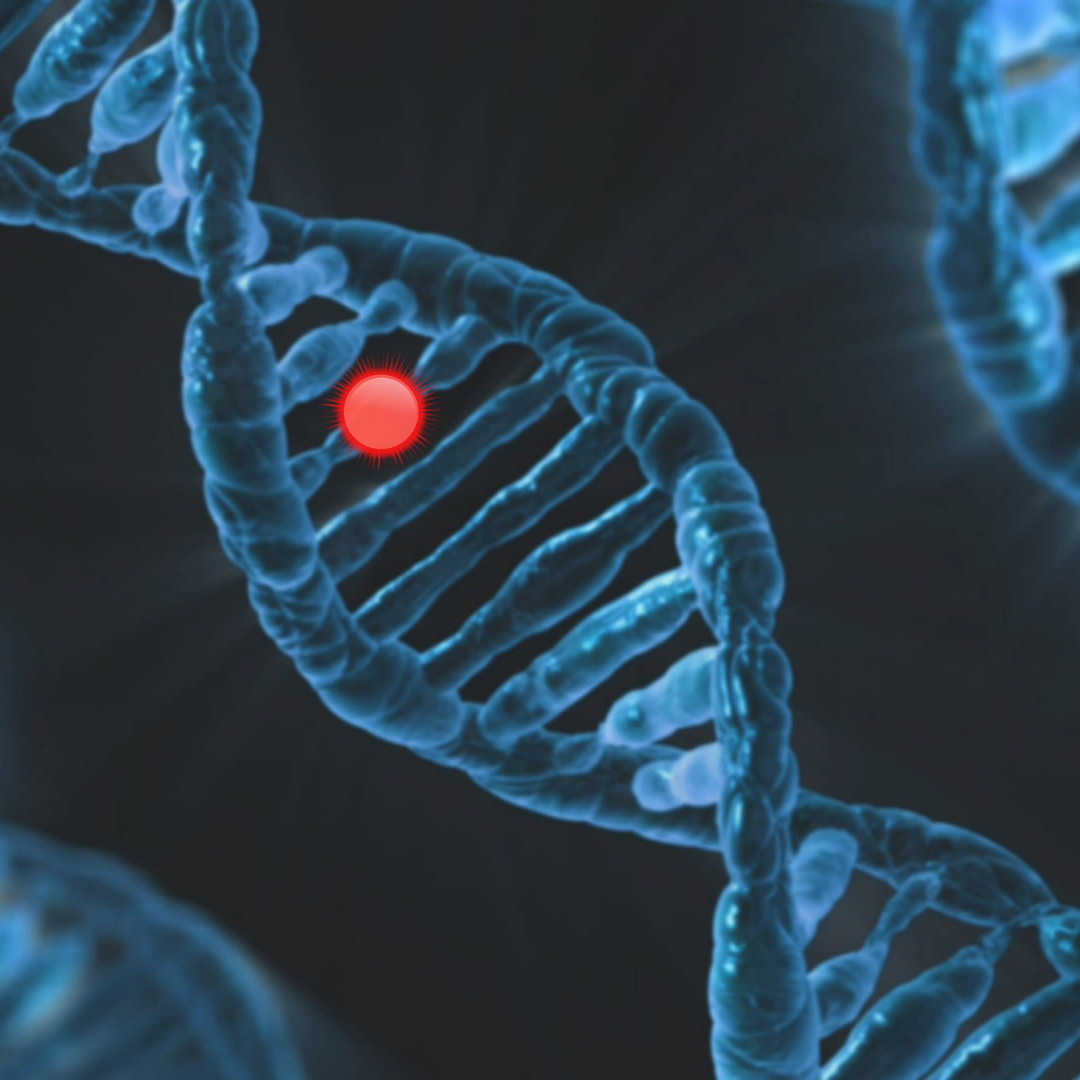 |
Some cancers are linked to inherited genetic changes that are passed down within families. Having a family history of cancer does not mean a person will develop cancer, but it may increase risk. In such cases, earlier screening, closer monitoring, or genetic counselling may be recommended based on individual circumstances and medical advice. |
A practical booklet to help you feel more prepared and in control.
Cancer often develops due to multiple factors acting together over time. Understanding both external risk factors and internal genetic influences is an important step in cancer awareness and informed health decision-making.
Learn more about cancer care at our Cancer Centre in Penang
Read More: What is Cancer | Types of Cancer | Cancer Support Group | Cancer Treatment in Penang | Our Multidisciplinary Team