Shopping Cart
Recovery from a stroke is not a single event.
Stroke Rehabilitation in Penang
Stroke rehabilitation is the process of helping a patient relearn skills that were lost or affected when the stroke damaged part of the brain. It does not reverse the effects of a stroke, but it gives the brain an opportunity to reorganise and form new pathways.
At Sunway Medical Centre Penang, stroke rehabilitation is provided by our dedicated Rehabilitation Centre, supported by a team of physiotherapists, occupational therapists, and speech language therapists who work alongside our neurologists, neurosurgeon, and rehabilitation physician to deliver personalised recovery programmes for every stroke patient.

When Should Stroke Rehabilitation Start?
The rehabilitation process begins within the first 24 hours of a patient being medically stabilised following acute stroke treatment.
In the early stages, rehabilitation may involve gentle positioning, passive movement of affected limbs, and supported sitting or standing under the supervision of our physiotherapy team.
These initial steps are important for preventing complications such as:
- Muscle stiffness
- Joint contractures
- Pressure injuries
- Deep vein thrombosis
Our Neuro Rehabilitation Services
Stroke rehabilitation is delivered through a team-based approach involving physiotherapy, occupational therapy, and speech-language therapy, depending on the nature and severity of the patient's deficits.
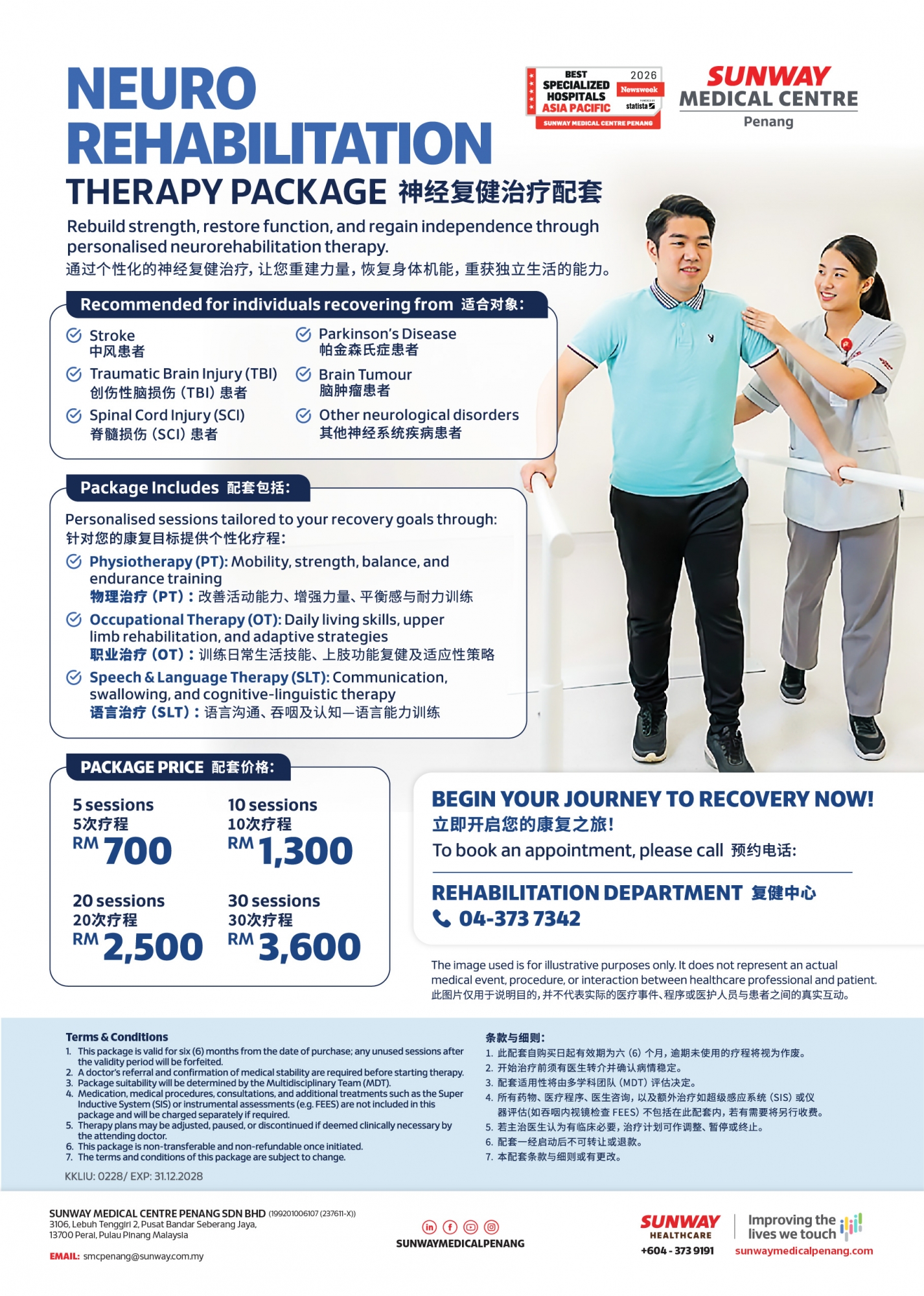
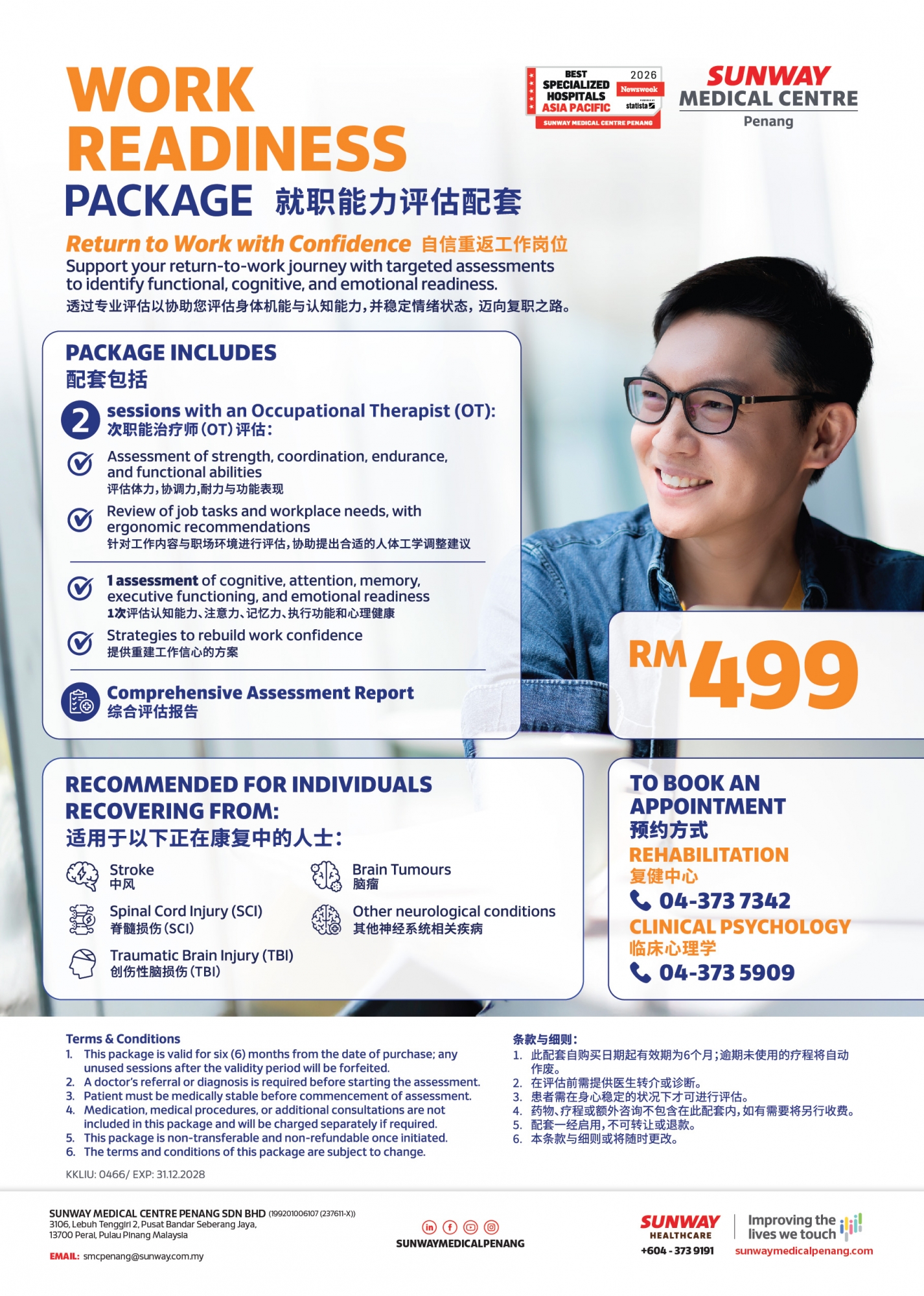
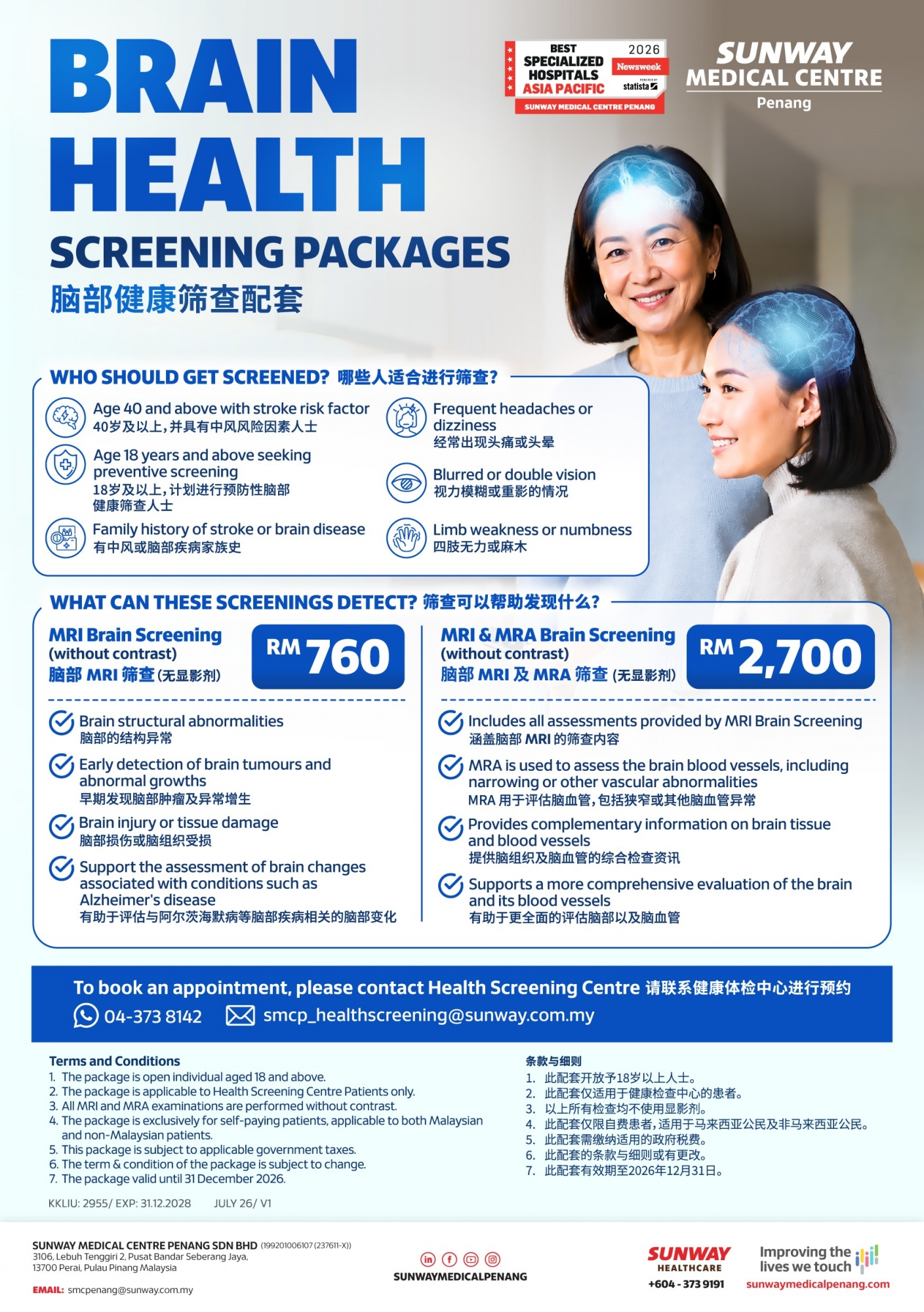
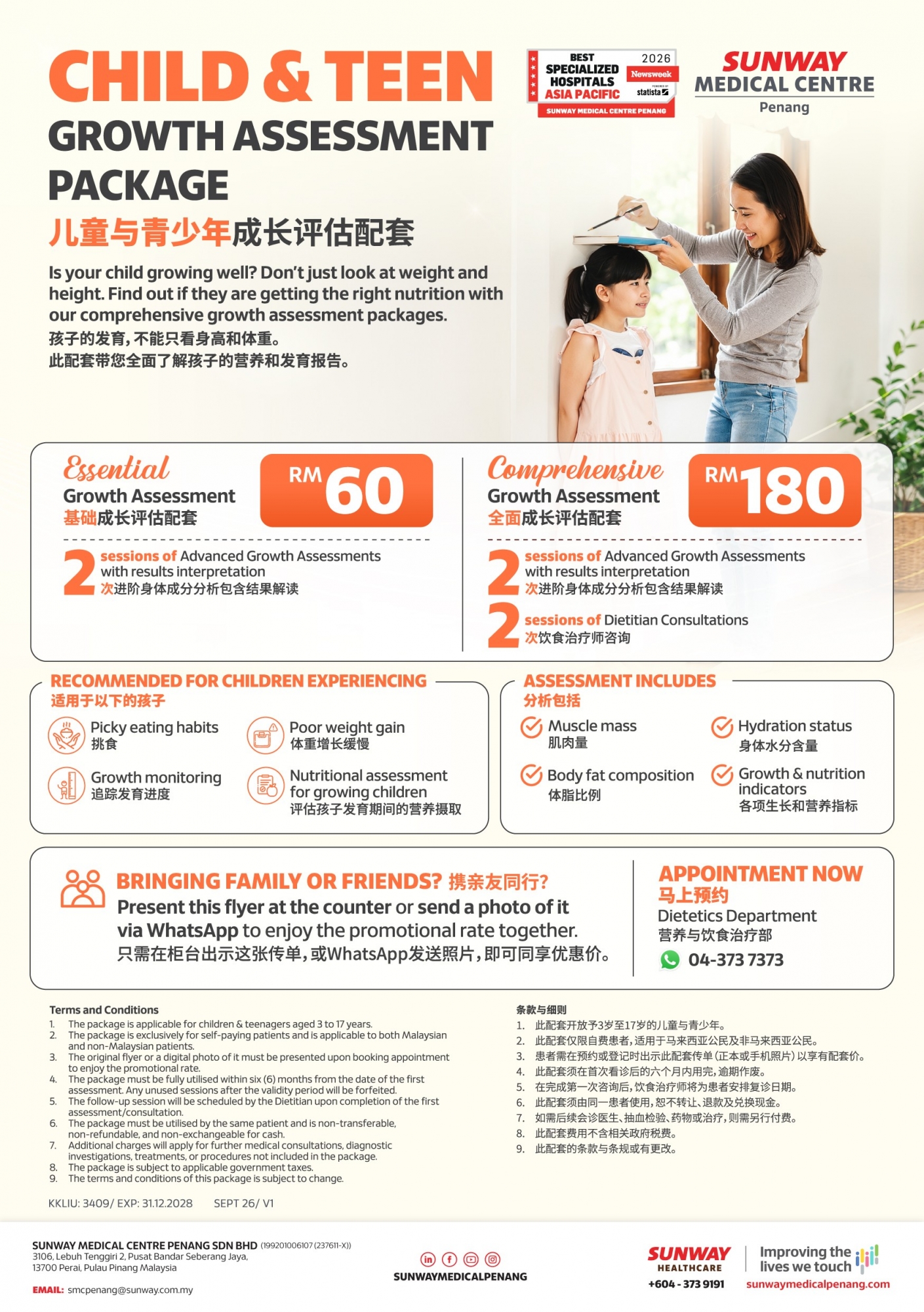
At Sunway Medical Centre Penang, all three disciplines are available as part of our Neuro Rehabilitation Therapy Package, which is recommended for patients recovering from:
- Stroke
- Traumatic brain injury
- Spinal cord injury
- Brain tumour
- Other neurological conditions
1. Physiotherapy
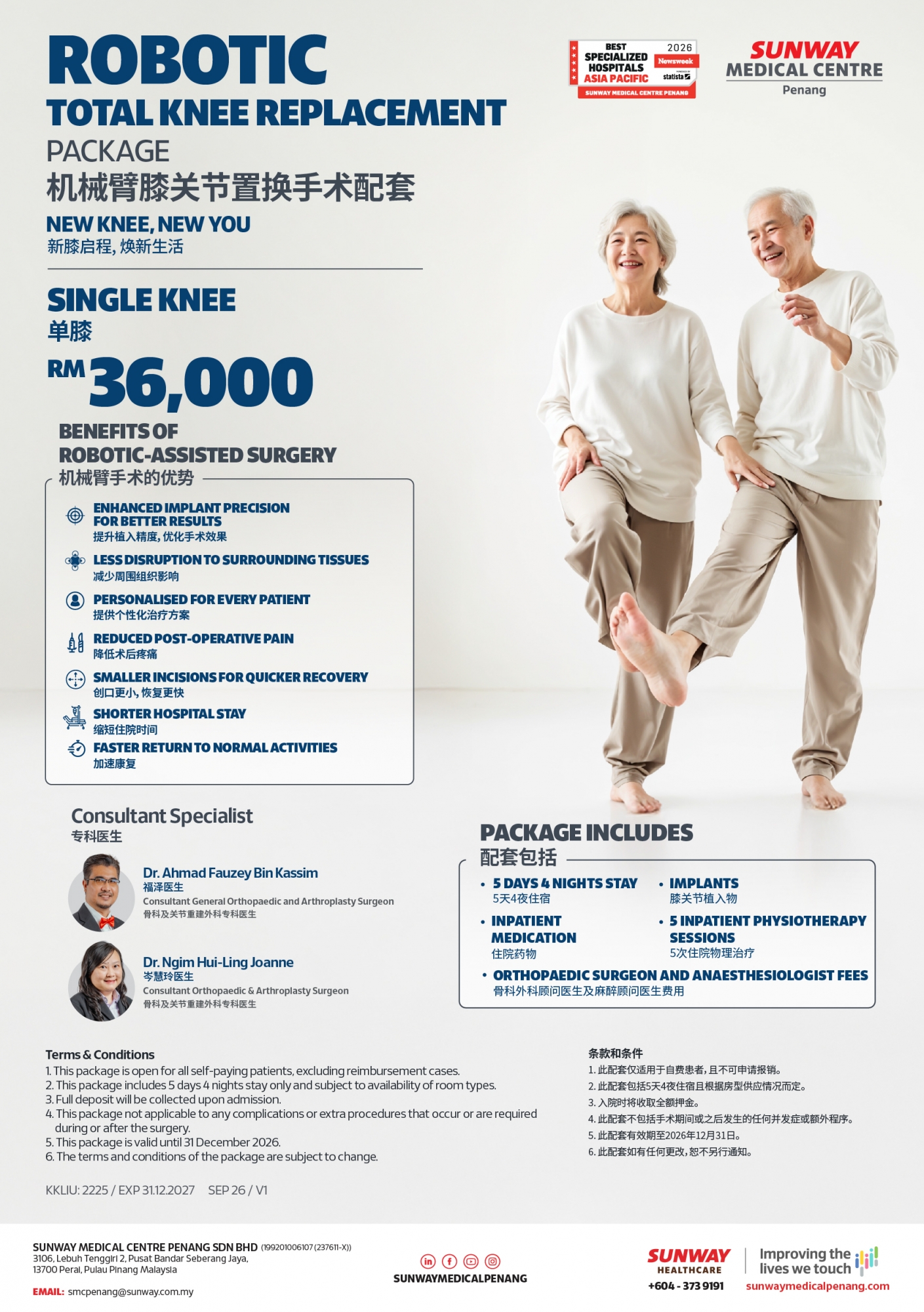
Physiotherapy after stroke focuses on restoring movement, strength, balance, and physical function. Our physiotherapists work with stroke patients on mobility training to help them regain the ability to sit, stand, walk, and move safely and independently.
- Strength and endurance exercises — To rebuild muscle function in affected limbs.
- Balance and coordination training — To reduce the risk of falls, which are a significant concern for stroke survivors.
- Early mobilisation — Supported movement that begins as soon as the patient is medically stable
2. Occupational Therapy
Occupational therapy after stroke focuses on helping patients relearn and regain the practical skills needed for daily life. A stroke can affect a person's ability to perform tasks they previously did without thinking, for example, dressing, eating, writing, bathing, and preparing food.
Specific interventions our occupational therapists provide include:
- Fine Motor Training — Focused rehabilitation for hand and upper limb function, helping patients regain dexterity and grip strength for everyday tasks.
- Neurological Rehabilitation — Structured programmes to enhance independence and function for patients with neurological impairments caused by stroke.
- Activities of Daily Living (ADL) Training — Helping patients relearn essential daily tasks such as dressing, eating, grooming, and bathing through repeated, guided practice.
- Splinting — Custom-made splints to support joint alignment, prevent contractures, and improve functionality during recovery.
- Ergonomics and Body Mechanics Consultation — Advising patients on safe posture and movement patterns to protect the body and prevent strain during recovery activities.
- Return-to-Work Consultation — For patients approaching discharge, helping them plan and prepare for a safe and supported transition back to their professional lives where this is a realistic goal.
3. Speech and Language Therapy
At Sunway Medical Centre Penang, our speech-language therapists assess and treat patients that experiencing:
- Aphasia — difficulty producing or understanding spoken or written language
- Dysarthria — slurred or unclear speech caused by weakness in the muscles used for speaking
- Dysphagia — difficulty in swallowing, which can lead to aspiration pneumonia
For patients with speech and language difficulties, our therapists use structured exercises to retrain the muscles involved in speaking, improve word retrieval and sentence formation, and rebuild the ability to understand and express language in both spoken and written form.
Our Rehabilitation Equipment
Our Rehabilitation Centre is equipped with specialist equipment to support stroke rehabilitation across a range of functional needs and recovery stages.
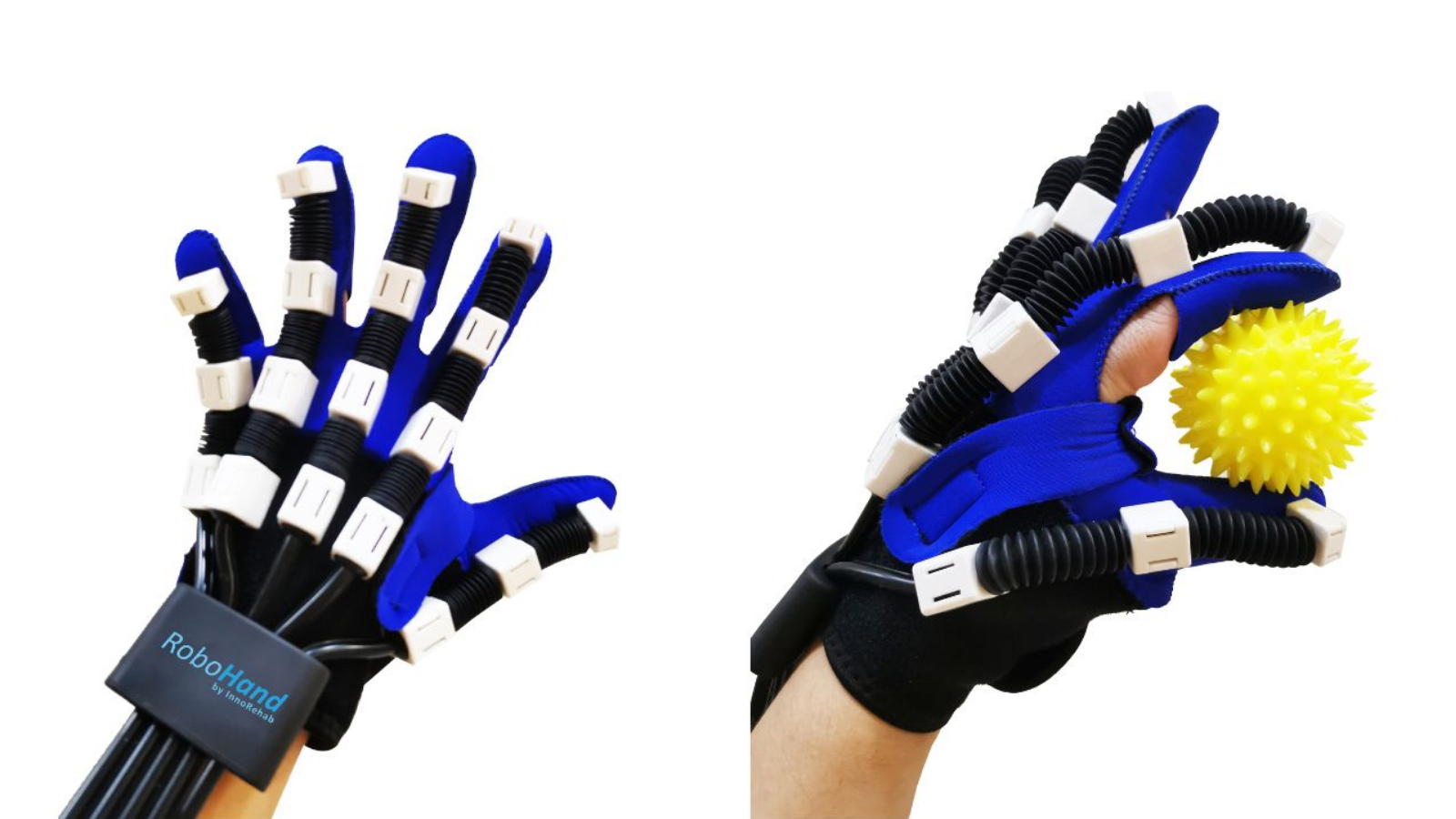
RobohandA portable soft robotic glove that supports hand function recovery after stroke. Robohand offers multiple therapy modes, including continuous passive motion, mirror therapy, and resistance training, allowing our therapists to tailor sessions to each patient's stage of recovery. |
![]() |
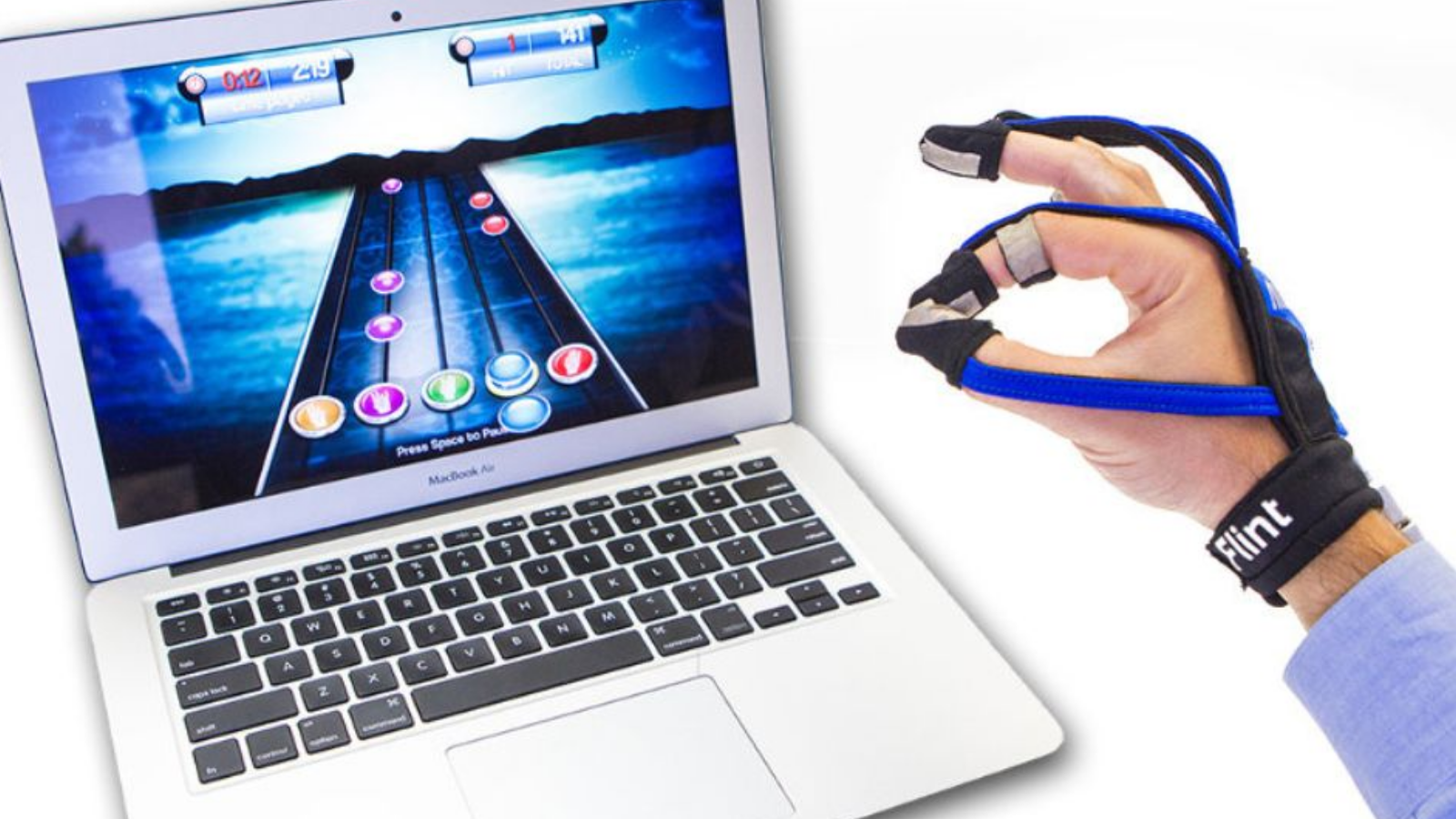
Music GloveAn FDA-listed hand rehabilitation device that combines therapeutic movement with an interactive musical game. Patients complete hundreds of hand exercises per session in an engaging, motivating format, helping rebuild fine motor control after stroke. |
![]() |
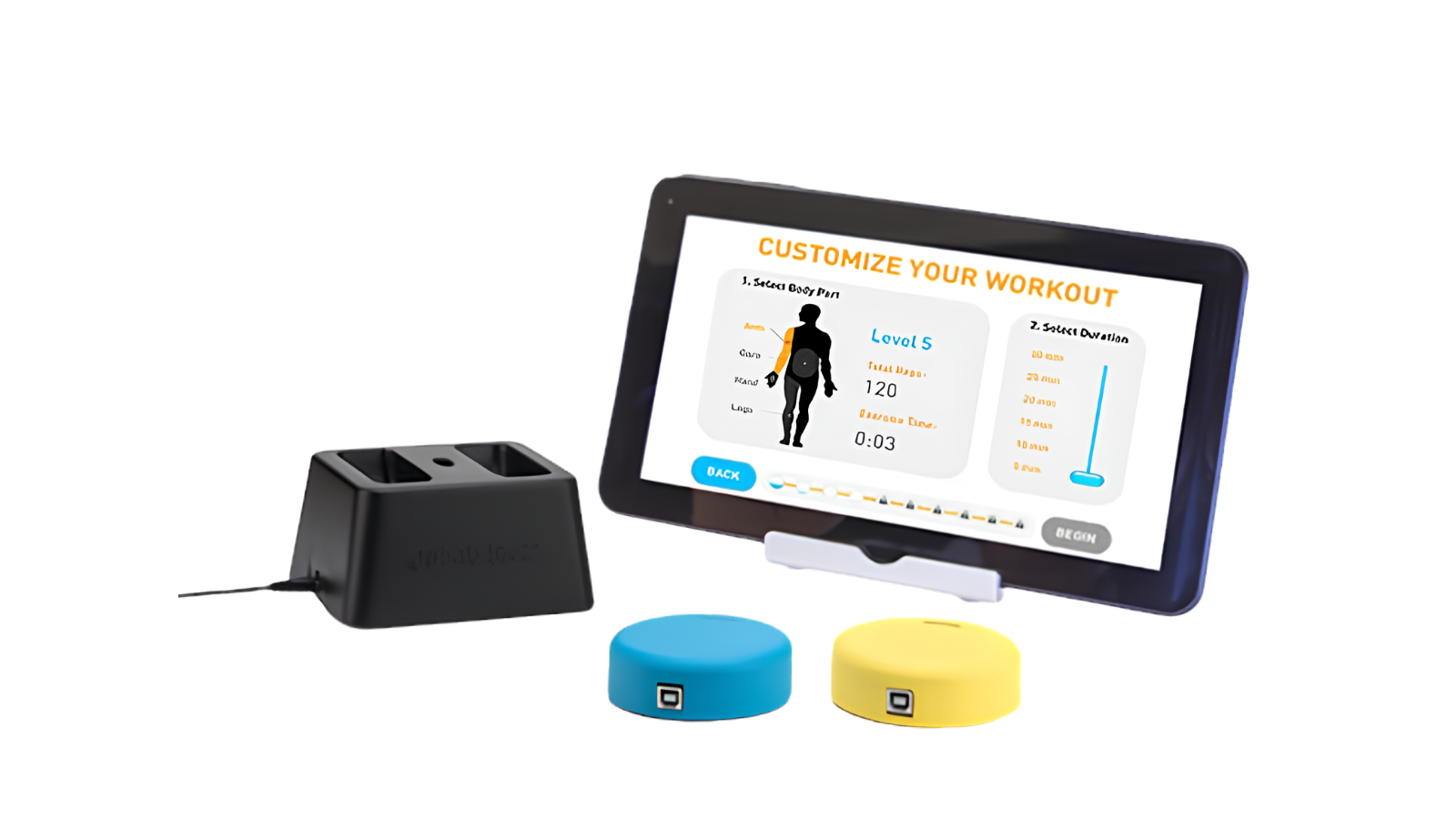
FitMi HomeA full-body neurorehabilitation system that supports movement recovery across the hands, arms, core, and legs. FitMi Home guides patients through therapeutic exercises using wireless sensor pucks, with difficulty levels adapting automatically as the patient progresses. |
![]() |
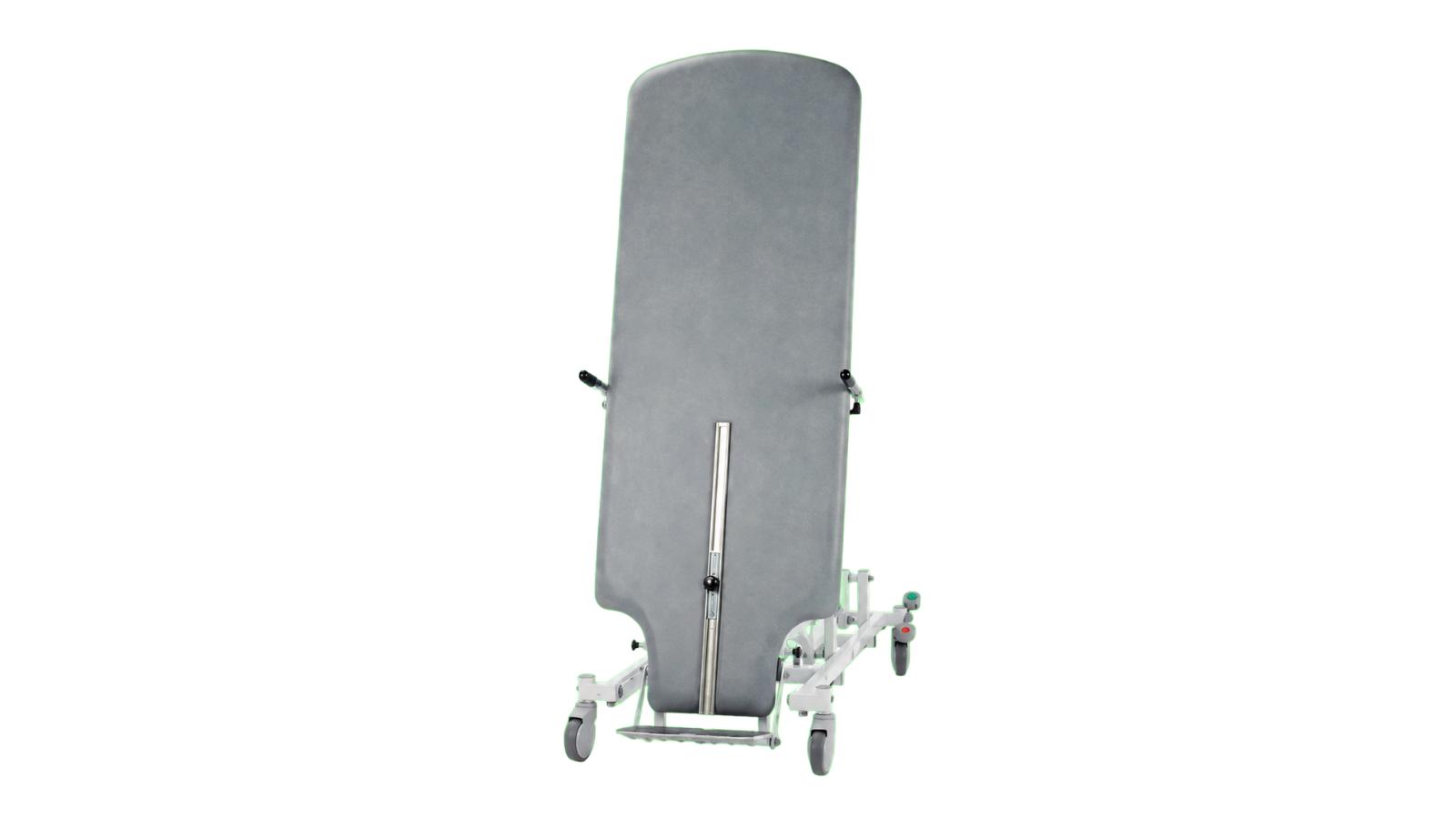
Tilt TableThe tilt table is used in the early stages of rehabilitation for patients who are not yet able to stand independently. This stimulates circulation, helps maintain bone density, reduces the risk of pressure injuries, and begins to prepare the neuromuscular system for standing and walking. |
![]() |
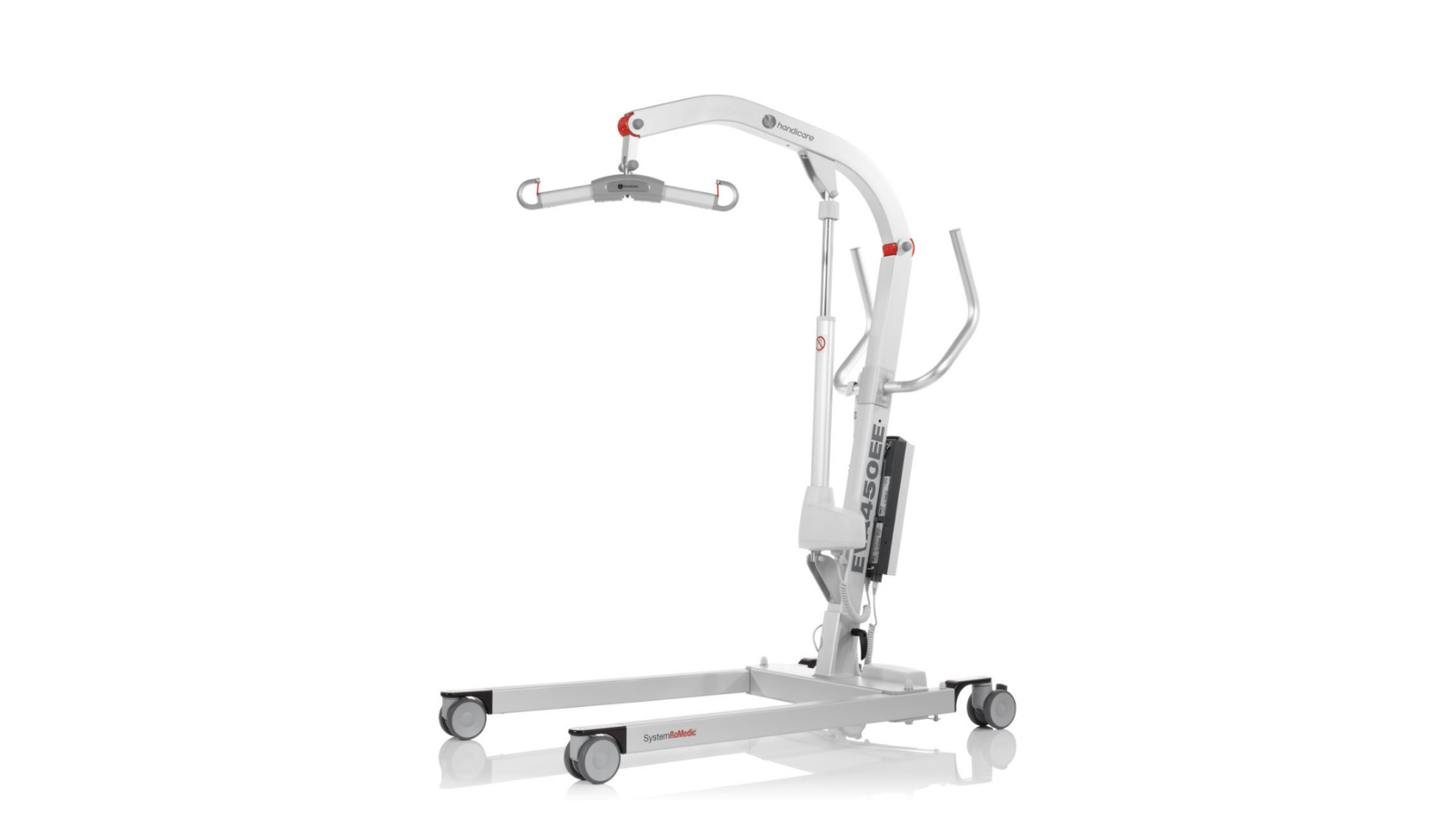
HoistThe hoist is a mechanical lifting device used to safely transfer patients who have significant physical limitations and require assistance moving between positions. For example, from bed to chair, or from chair to standing. It supports both patient safety and the physical well-being of nursing and therapy staff during transfers. |
|
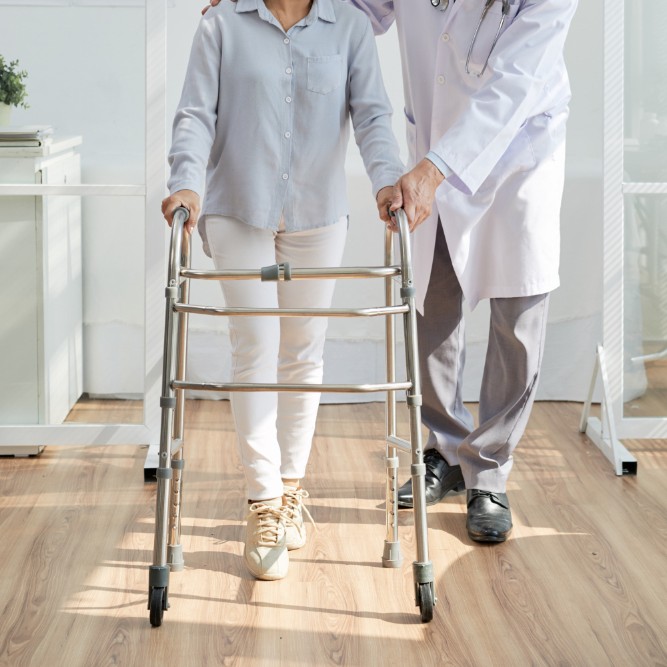
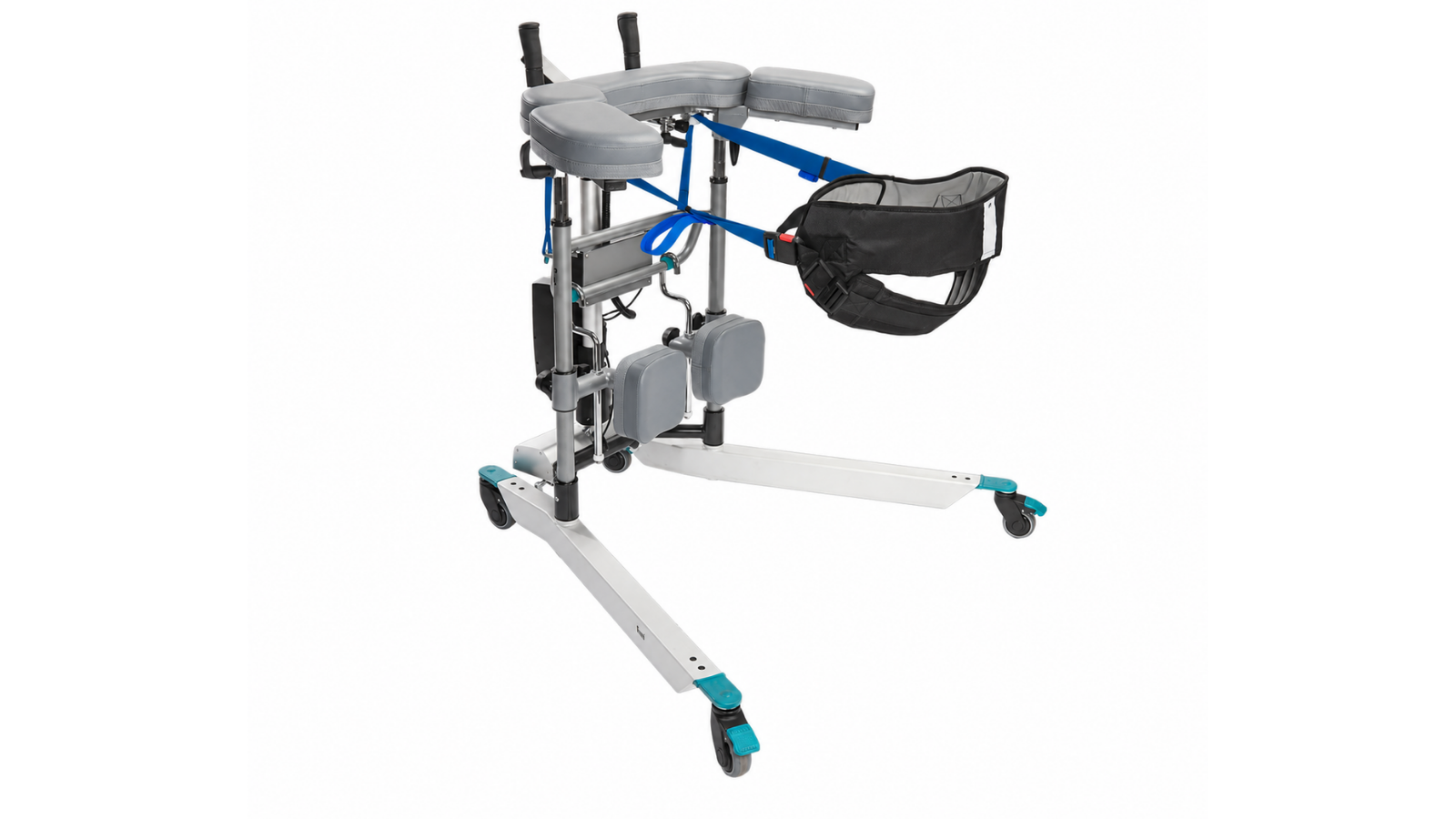
Rise and Go WalkerThe Rise and Go Walker is a specialist mobility aid designed to assist patients in the early stages of walking rehabilitation. It provides support during the transition from sitting to standing and during assisted walking. |
![]() |
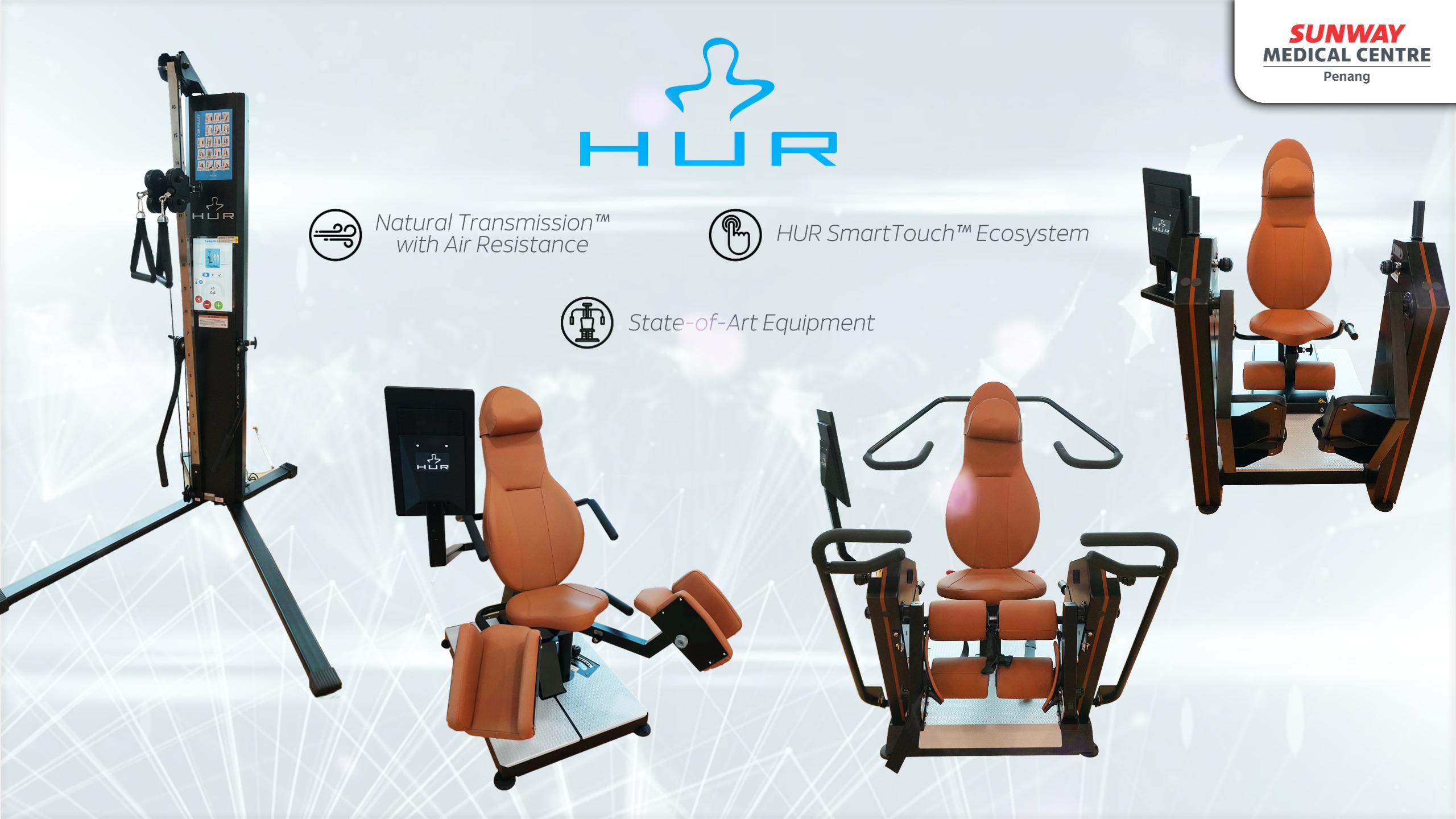
HUR Exercise MachineThe HUR Exercise Machine is a pneumatically driven resistance training system designed specifically for rehabilitation and elderly patients. Unlike conventional weight machines, HUR equipment uses compressed air rather than weights, which allows for very precise, low-resistance starting loads that can be increased gradually as the patient gains strength. |
![]() |
Frequently Asked Questions
What is the difference between physiotherapy and occupational therapy?
Will I or my loved one ever walk or speak properly again?
How many rehabilitation sessions will a stroke patient need?
Can I prevent another stroke from happening?
What to Expect During Stroke Rehabilitation
At Sunway Medical Centre Penang, our rehabilitation team is with your family every step of the way — from the first days in hospital through to discharge planning and beyond. Recovery takes time, patience, and consistency, but with the right support, meaningful improvement is possible at every stage.
Speak with our Stroke Specialists or Rehabilitation team to understand what rehabilitation will involve for your specific situation and what goals to work toward.
Learn more about stroke care at our Stroke Centre in Penang
Read More: What Is a Stroke? | How Is Stroke Diagnosed? | Stroke Symptoms and Warning Signs | Stroke Risk Factors | Stroke Prevention | Stroke Treatment | Stroke Specialists | Stroke Rehabilitation