Shopping Cart
No item in your cart!
RM0.00

Article by: Dr Ooi Poh Siang, Family Medicine Specialist
01 December 2025
Holiday shiok, but health cannot take holiday!

Travelling can be exciting, but it also exposes travellers to different environments, climates, foods, and health risks. With proper knowledge and preparation, most travel-related illnesses can be prevented. This article summarises key health precautions travellers should follow during the journey and at the destination.
1. During the Flight
Cabin Pressure and Dry Air
Commercial airplanes are pressurised to the equivalent of being 2,000–2,500 metres above sea level. Most healthy travellers feel normal, but those with certain medical conditions may experience symptoms due to the lower oxygen level. These include:
Cabin air is also very dry. This can cause irritation of the eyes, nose, and throat. Drinking water regularly and using eye drops or saline nasal spray can help reduce discomfort.
Reducing the Spread of Infection
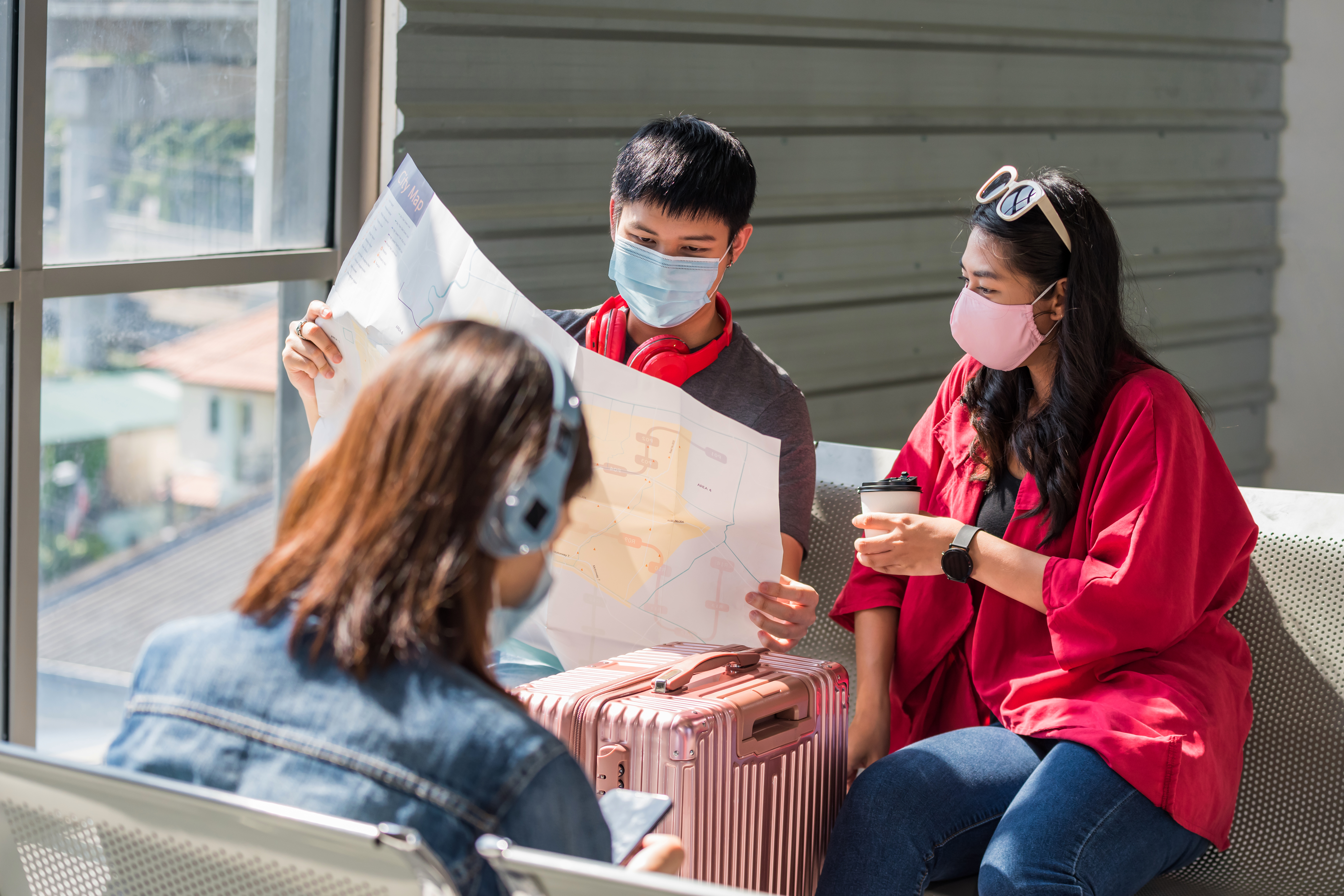
Respiratory infections such as influenza can spread easily in crowded areas like airports and inside aircraft, especially during boarding and after landing.
Travellers should:
Preventing Deep Vein Thrombosis (DVT)
Long periods of sitting can increase the risk of blood clots in the legs (DVT) or lungs (pulmonary embolism). This risk is higher in travellers with:
To reduce the risk of DVT:
2. Food and Water Safety
Food and water can carry harmful germs in many parts of the world, especially where hygiene and sanitation are uncertain. Travellers should be careful when choosing what to eat and drink.
Food Safety Tips
Avoid:
Drinking Water Safety
Contaminated water can cause diarrhoea, vomiting, and other infections. Only use:
Recreational Water Safety
Swimming in contaminated rivers, lakes, beaches, or poorly maintained swimming pools can cause infections affecting the stomach, skin, ears, or eyes. Even clear water can be contaminated. Good hand hygiene is one of the best ways to prevent illness.
Wash hands:
3. Sun Exposure
Travellers often spend more time outdoors and may visit places with stronger sunlight, especially near the equator, at high altitude, or between 10 a.m. and 4 p.m. Some medical conditions, such as lupus, can make people more sensitive to sunlight.
How to Protect Yourself from Sunburn
Sunburn is common but preventable with proper protection.

4. Heat and Cold Illness
Heat-Related Illness
Heat exposure can cause a range of conditions:
Prevention:
Cold-Related Illness
Hypothermia occurs when the body temperature falls below 35°C. Early symptoms include feeling very cold and shivering. Severe symptoms include confusion, clumsiness, and unconsciousness.
Other cold injuries include:
Prevention:
5. Marine Animal Hazards
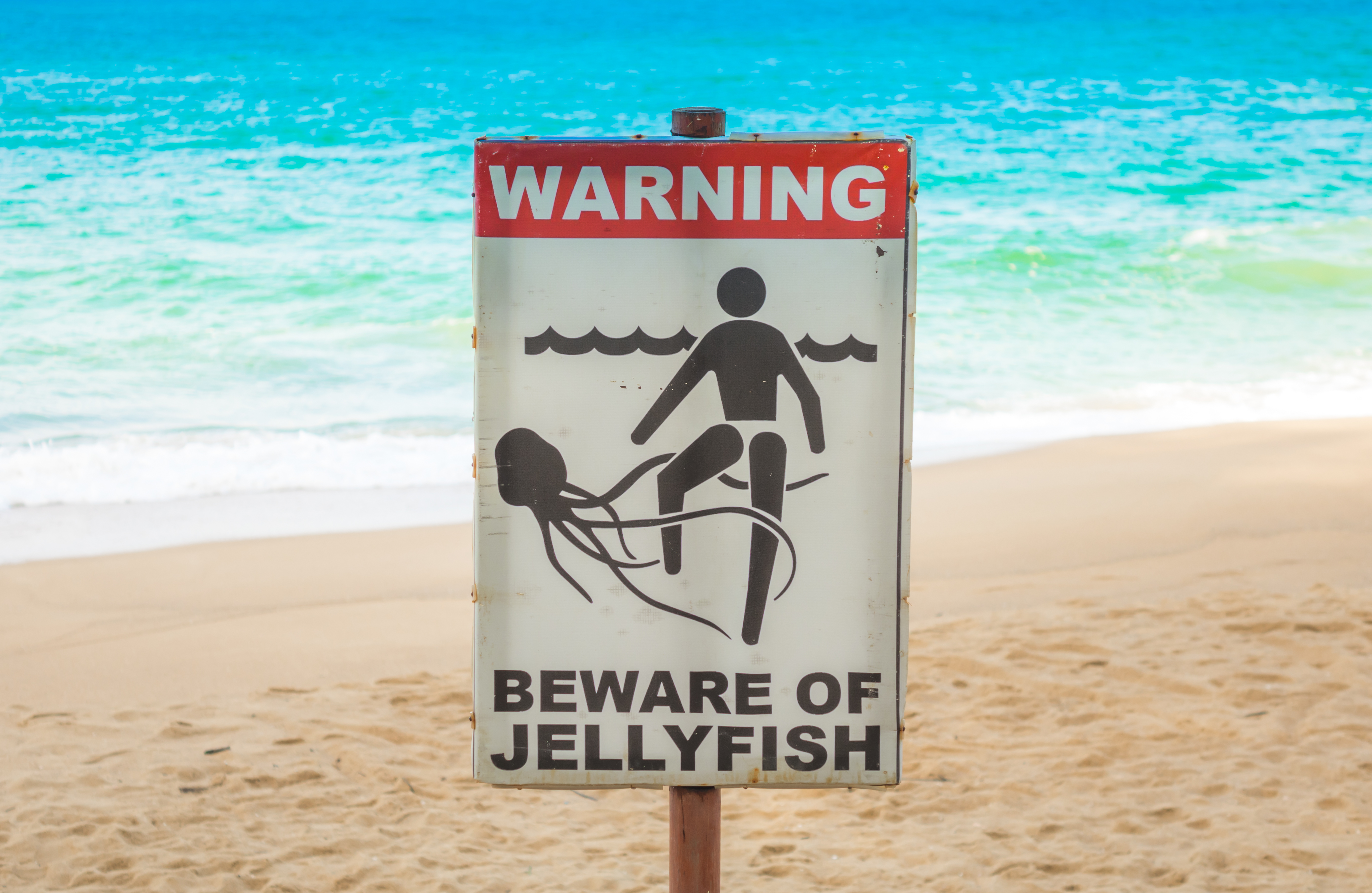
Water activities such as swimming, snorkelling, or diving may expose travellers to marine creatures like jellyfish, corals, and hydroids. Box jellyfish, common in some Malaysian waters especially from October to June, can cause severe pain, collapse, dangerous heart rhythms, or even death.
If stung:
Conclusion
Travelling is enjoyable, but it is important to prepare well to stay healthy. Getting a proper check-up, taking the recommended vaccines, and planning your safety steps can prevent many problems. During your trip, simple habits like keeping clean, eating safe food and drinking clean water will help protect you. After you return, watch for any symptoms and see a doctor if you feel unwell. With good preparation and basic precautions, you can travel safely and enjoy your journey with peace of mind.
References:
 Back
Back