International Women’s Day Health Tips | From Your 20s to 60s & Beyond
Article by:
Dr Ooi Poh Siang, Family Medicine Specialist
03 March 2026
From Daughter to Mother to Leader: A Woman’s Health Changes With Age
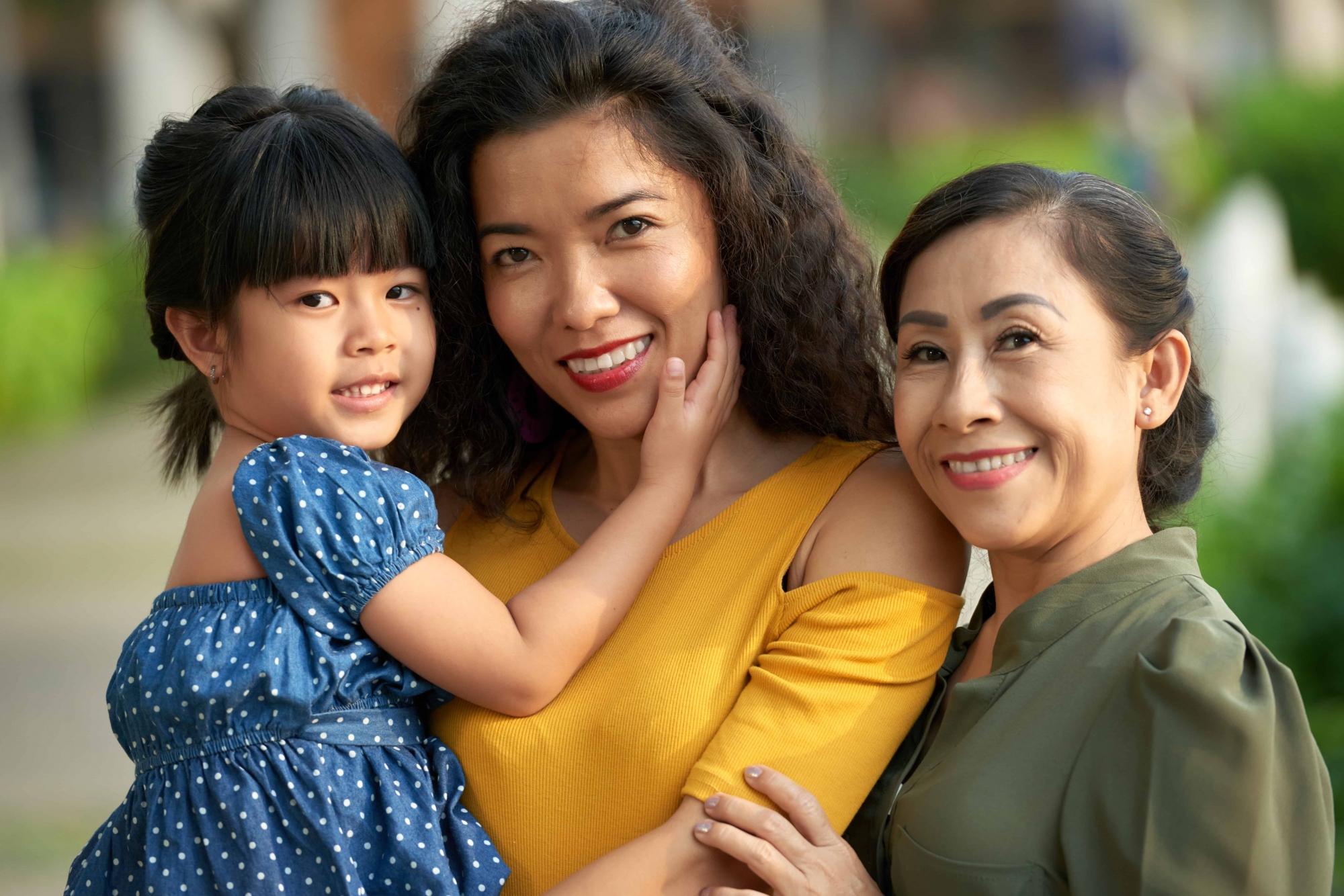
On International Women’s Day, we celebrate women’s strength, resilience, and compassion. Women play many roles in life — daughter, sister, wife, mother, professional, caregiver, leader.

- They take care of parents.
- They support their partners.
- They guide their children.
- They contribute to the workplace and community.
But in clinic, there is one common pattern I see again and again — many women forget to take care of themselves.
A woman’s health needs are not the same at every stage of life. As the body changes with age, the health priorities should also change. Understanding this helps women take control of their health earlier, not only when problems appear.
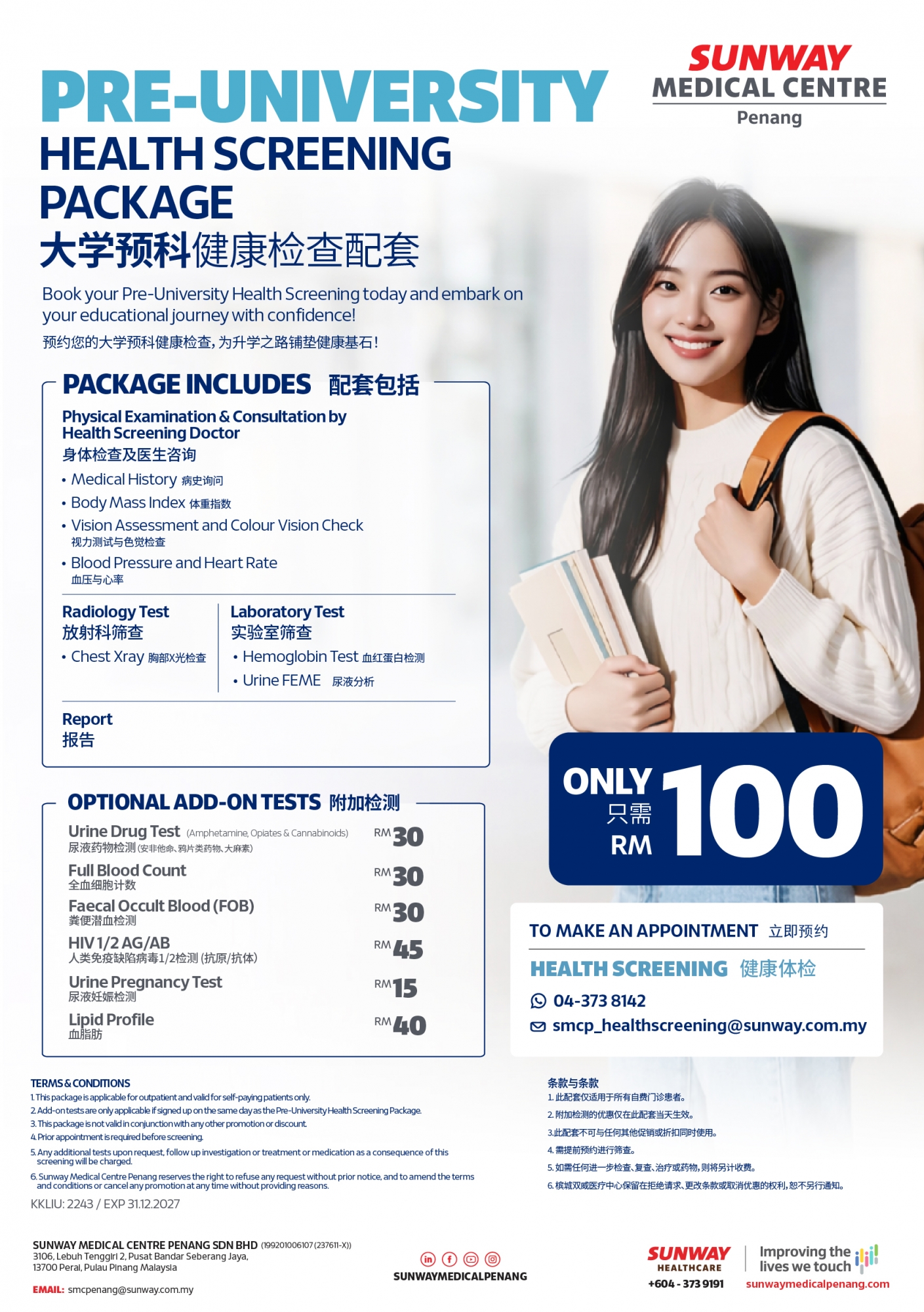
In Your 20s and 30s: Building the Foundation
This is usually a busy stage of life. Many women are studying, building careers, getting married, or planning pregnancy. Because energy levels are generally good, many feel that health screening is not urgent. “I am still young” is something I often hear. But prevention always starts early.

At this stage, important health focus includes:
-
Menstrual health
- Irregular cycles, very heavy bleeding, or severe period pain are not “normal for everyone.” They may be signs of hormonal imbalance, fibroids, PCOS, or other conditions. If your period pattern suddenly changes, it is worth discussing with a doctor. For reproductive health topics, Dr Ann Teoh Ai Yean, our consultant obstetrician & gynaecologist, has shared a helpful article that you can read.
-
Cervical cancer screening
-
HPV vaccination
- HPV vaccine protects against the types of virus that cause most cervical cancers. It works best when given before exposure to the virus, but adults can still benefit. Vaccination plus screening gives stronger protection.
-
Iron levels and anaemia
- Many young women have low iron due to menstrual blood loss. Symptoms may include fatigue, dizziness, hair loss, or poor concentration. A simple blood test can check iron levels and anaemia.
-
Thyroid function if there are symptoms
- Thyroid problems are more common in women. Symptoms may include unexplained weight changes, hair thinning, irregular periods, fatigue, or mood changes. Early testing helps prevent long‑term complications.
-
Healthy weight, diet, and exercise
- Maintaining a healthy weight reduces the risk of diabetes, heart disease, and hormonal imbalance. Balanced meals and regular physical activity support both physical and mental health. Small consistent habits are more important than extreme dieting. I have also shared an earlier article on obesity, which you can refer to for more information.
-
Stress and sleep management
- Chronic stress and poor sleep affect hormones, immunity, and mood. Many young women juggle work, family, and social responsibilities, leading to burnout. Prioritising rest and emotional wellbeing are part of preventive health.
Regular check‑ups allow early detection and early treatment. It is much easier to prevent than to cure. Building healthy habits in your 20s and 30s — balanced diet, regular exercise, good sleep — creates a strong foundation for the future.
In Your 40s and 50s: Hormonal Changes and Metabolic Risk
This stage often comes with many responsibilities — teenage children, ageing parents, career peak. At the same time, the body begins to change. Hormones gradually decline. Some women experience irregular periods, hot flushes, mood swings, weight gain, poor sleep, and fatigue. This is the perimenopause stage. It is not a disease — but it is a transition that requires attention.

Health priorities during this stage include:
-
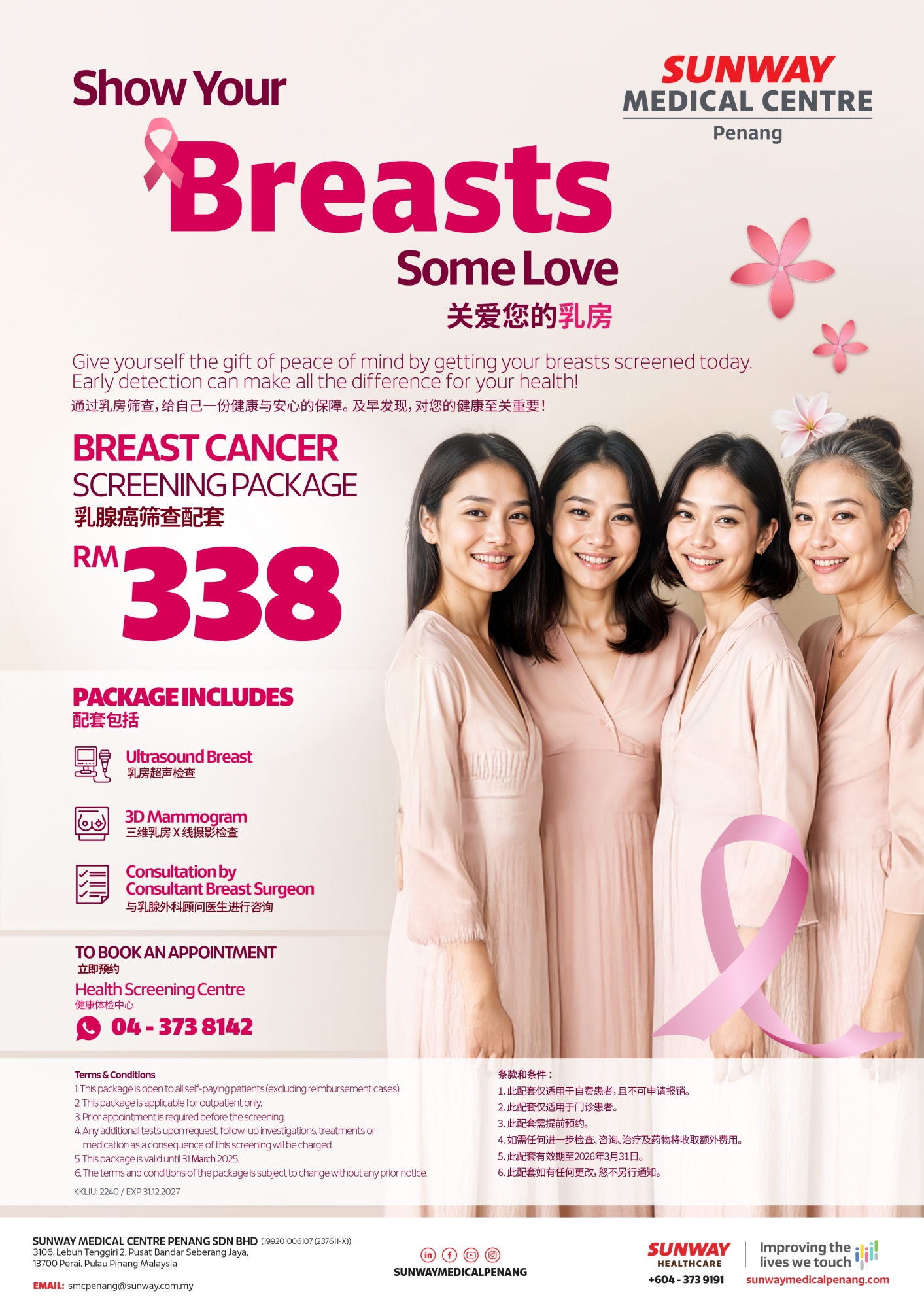
Breast cancer screening
- Breast cancer risk increases with age, especially after 40. Mammogram can detect small lumps before they can be felt. Early detection greatly improves treatment outcomes and survival.
-
Blood pressure monitoring
- High blood pressure often has no symptoms. Many women only discover it during routine screening. Regular monitoring helps prevent stroke, heart attack, and kidney problems.
-
Cholesterol screening
- High cholesterol does not cause pain or warning signs. It can slowly block blood vessels over time. A simple blood test helps assess your heart disease risk early.
-
Diabetes screening
- Risk of diabetes increases with age, weight gain, and family history. Early diabetes may not cause obvious symptoms. Regular screening allows early lifestyle changes and treatment to prevent complications. I have written a separate article about diabetes mellitus. You may refer to it for further information.
-
Weight management
- Hormonal changes during perimenopause can make weight gain easier, especially around the abdomen. Excess weight increases risk of diabetes, heart disease, and joint problems. Gradual, sustainable lifestyle changes are more effective than crash dieting.
-
Mental health support
- Mood swings, anxiety, irritability, and low motivation can occur during hormonal transition. Emotional health is just as important as physical health. Seeking support is a sign of strength, not weakness.
-
Discussion about menopausal symptoms
- Hot flushes, night sweats, sleep disturbance, and vaginal dryness are common during menopause. These symptoms can affect quality of life and relationships. There are treatment options available — women do not have to suffer in silence. For more information about perimenopausal changes, you may refer to the article written by Dr Salina Sany, our consultant obstetrician and gynaecologist.
Many people still think heart disease is mainly a man’s problem. In reality, heart disease is one of the leading causes of death in women. After menopause, protective oestrogen levels decrease, and the risk of high blood pressure, high cholesterol, and diabetes increases. Women may also present with less typical heart symptoms, such as shortness of breath, fatigue, or discomfort instead of classic chest pain. For a better understanding of heart attack symptoms and prevention, I encourage you to read the article shared by our Consultant Physician & Interventional Cardiologist, Dr Khaw Chee Sin.
Regular health screening during this stage becomes very important. Early detection allows lifestyle changes and treatment before complications occur.
In Your 60s and Beyond: Healthy Ageing
This stage is full of wisdom and life experience. The goal now is not only living longer, but living well — maintaining independence, mobility, and quality of life.

Health priorities during this stage include:
-
Bone health and osteoporosis screening
- After menopause, bone density decreases more rapidly. Osteoporosis weakens the bones and increases the risk of fractures. Screening helps identify risk early so treatment and lifestyle changes can prevent serious injury.
-
Fall risk assessment
- Falls are one of the most common causes of injury in older adults. Poor vision, weak muscles, and certain medications can increase fall risk. Simple assessment and home safety adjustments can reduce accidents.
-
Vaccinations
- Immunity becomes weaker with age. Vaccinations such as influenza and pneumococcal help prevent serious infections and hospitalisation. Prevention is especially important for older adults with chronic conditions.
-
Memory and cognitive health
- Mild forgetfulness can occur with ageing, but significant memory decline should not be ignored. Early assessment can identify reversible causes or detect cognitive problems at an early stage. Mental stimulation, social activity, and physical exercise all support brain health.
-
Ongoing management of chronic diseases
- Conditions like hypertension, diabetes, and high cholesterol require regular monitoring. Good control reduces the risk of complications such as stroke, heart disease, and kidney failure. Consistent follow‑up is key to healthy ageing.
-
Muscle strength and balance training
- Muscle mass naturally decreases with age. Strength and balance exercises help maintain mobility and independence. Even simple activities like walking, light resistance training, or tai chi can make a big difference.
Healthy ageing is active ageing.
A Gentle Reminder
As a doctor, I often see women who delay their own check‑up because they are busy taking care of everyone else.
- They send their parents for screening.
- They bring their children for vaccination.
- They remind their husbands to take medication.
- But they postpone their own appointment. Sometimes for years.
This International Women’s Day, I would like to gently remind all women:
- Your health is not selfish.
- Your health is not secondary.
- Your health is not optional.
When you are healthy, you can continue to care for your loved ones, pursue your goals, and enjoy life fully. No matter which stage you are in — daughter, mother, sister, professional, or leader — take one small step this month.
- Book a health screening.
- Ask questions about your body.
- Do not ignore early symptoms.
- Build healthy habits.
Strong women deserve strong health. And prevention is one of the greatest gifts you can give to yourself.
 Back
Back