Shopping Cart
No item in your cart!
RM0.00

Article by: Dr Ooi Poh Siang, Family Medicine Specialist
02 March 2026
Every year on World Obesity Day (4 March), we are reminded that obesity is becoming more common around the world — and also in Malaysia. But many people still think obesity is only about appearance or body size.

Actually, obesity is not just about weight. It is about health risk. When we talk about obesity, we are talking about excess body fat that increases the risk of many diseases. A person may look “big”, but the real concern is what is happening inside the body.
Obesity increases the risk of:
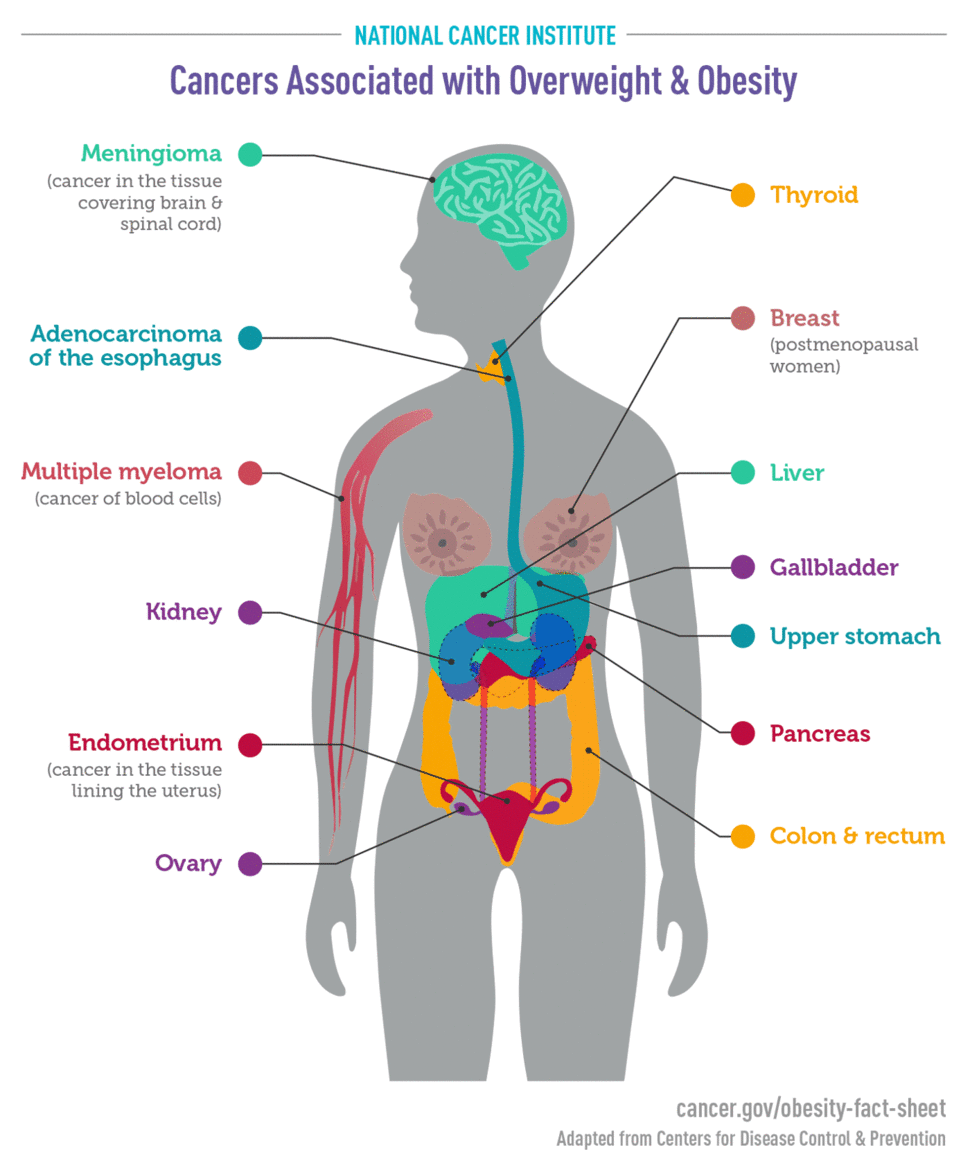
Obesity and Cancer - National Cancer Institute
These conditions do not happen overnight. They develop slowly over years. That is why early detection is very important.
Many people know about BMI (Body Mass Index). BMI is calculated using weight and height. It is a useful screening tool, but it does not tell the full story.
Two people can have the same BMI but very different health risks. For Asians, especially Malaysians, we need to pay more attention to waist circumference. Fat around the abdomen (visceral fat) is more dangerous than fat under the skin. This type of fat is closely linked to diabetes and heart disease.
For Asians:
This is already considered high risk.
Sometimes we also see people with normal BMI but high waist circumference. They may look “not overweight”, but their metabolic risk is high. This is sometimes called “hidden obesity”.

According to the National Health and Morbidity Survey (NHMS) 2023, more than half of Malaysian adults are overweight or obese.
Using the WHO international criteria:
This means about 1 in 2 Malaysian adults are overweight or obese.
When we use the Asian BMI criteria, the numbers are even higher:
That means 7 out of 10 Malaysian adults are actually overweight or obese when we use the more appropriate Asian cut‑off.
Asians generally have higher body fat percentage compared to Caucasians, even when the BMI number is the same. In other words, two people may both have BMI 25. One may be Caucasian and one Asian. The Asian individual is likely to have more body fat, especially visceral fat.
Research from many Asian countries shows that the risk of diseases such as:
starts to increase at lower BMI levels compared to Western populations.
That is why for Asians:
If we continue using the higher Western cut‑off, we may miss many people who are already at risk.
This is also why in clinical practice, we do not look at BMI alone. We also measure waist circumference, blood sugar, cholesterol, and blood pressure.

Many people only see a doctor when they feel unwell. But obesity‑related diseases are often silent in the early stage.
A simple health screening can reveal a lot about your risk. Here are 5 important things we usually check:
Many patients are surprised when their blood test shows prediabetes or high cholesterol even though they “feel fine”. That is the importance of screening — we detect problems early, before complications happen.
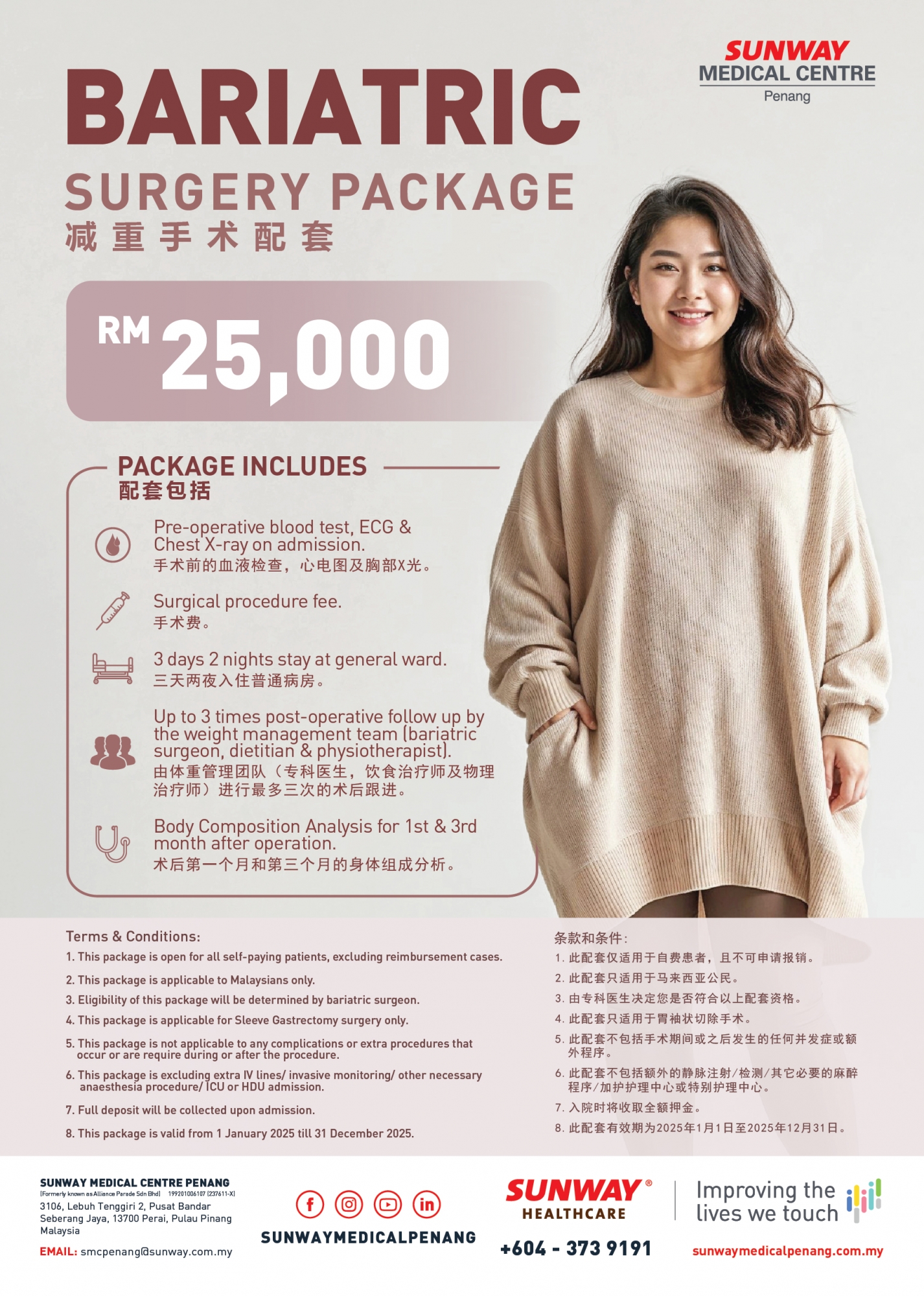
The good news is that obesity is preventable and manageable.
Even a small weight reduction of 5–10% can improve blood sugar, blood pressure, and cholesterol levels. You do not need extreme diets. You do not need to starve.
Start with simple steps:
Consistency is more important than perfection.
Obesity is not a personal failure. It is influenced by many factors — lifestyle, environment, stress, sleep, food availability, and even genetics. Instead of blaming, we should focus on awareness and early action.
Use World Obesity Day as a reminder.
Prevention is always easier than treatment. Your weight is not just a number on the scale. It is a signal about your health risk. The earlier you know, the earlier you can act. And small changes today can protect your health for many years to come.
 Back
Back