Vaccines You Need at Every Stage of Life | Pregnancy, Childhood & Beyond
Article by:
Dr Ooi Poh Siang, Family Medicine Specialist
01 April 2026
Vaccines You Need at Every Stage of Life
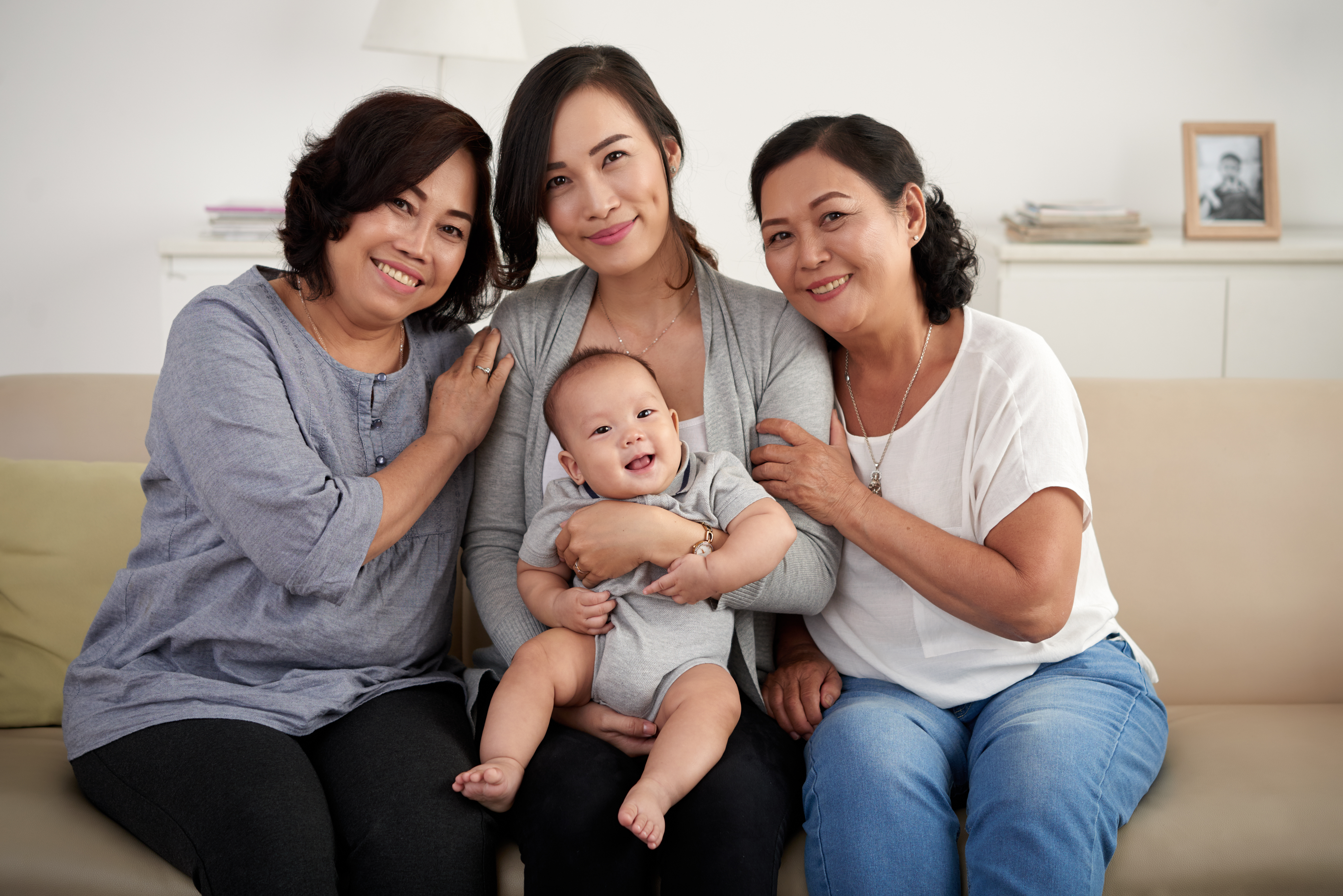
Vaccination is not only for children. At different stages of life — from pregnancy to older age — vaccines help protect against serious infections, reduce complications, and even prevent certain cancers.
Below is a practical guide to key vaccines across different life stages.
Before & During Pregnancy

1. Varicella (Chickenpox) — Before Pregnancy
- Protects against
- Chickenpox infection, which can cause fever and itchy rash
- Infection during pregnancy that may affect the unborn baby, leading to deformity and even death
- When to take – Before pregnancy (if no prior infection or vaccination)
- Doses – 2 doses (at least 4 weeks apart)
- Booster – Not required
- Important notes
- Live vaccine, not given during pregnancy
- Plan vaccination before conception, avoid pregnancy for 3 months following vaccination.
2. Influenza (Flu Vaccine) — During Pregnancy
- Protects against
- Influenza infection causing fever, body aches, and cough
- Severe complications such as pneumonia, hospitalisation, and premature delivery
- When to take – Any trimester during pregnancy
- Doses – 1 dose
- Booster – Every year
- Important notes – Protects both mother and newborn baby
3. Tdap (Tetanus, Diphtheria, Pertussis)
- Protects against – Whooping cough (pertussis), which can be life‑threatening in newborns
- When to take – 27 – 36 weeks of pregnancy
- Doses – 1 dose per pregnancy
- Booster – Repeat with each pregnancy
- Important notes – Provides early protection to baby before first vaccination
4. RSV Vaccine (Respiratory Syncytial Virus)
- Protects against – Respiratory Syncytial Virus infection causing severe lung infection (bronchiolitis, pneumonia) in newborns
- When to take – 32 – 36 weeks of pregnancy
- Doses – 1 dose
- Booster – Not routinely required
- Important notes – Helps protect infants in first few months of life
Additional Childhood Vaccines

Besides the National Immunisation Programme, these vaccines offer extra protection.
1. Varicella (Chickenpox)
- Protects against
- Chickenpox infection causing fever and itchy rash
- Complications such as skin infection, pneumonia, and hospitalisation
- When to take – From 12 months old
- Doses – 2 doses
- Booster – Not required
2. Influenza (Flu Vaccine)
- Protects against
- Influenza infection causing high fever, cough, and body aches
- Complications such as pneumonia, dehydration, and hospital admission in children
- When to take – From 6 months old
- Doses
- First year: 2 doses
- After that: 1 dose yearly
- Booster – Annual vaccination
- Protects against – Dengue fever — a mosquito‑borne infection that can cause high fever, severe headache, vomiting, bleeding, and in severe cases, death
- When to take – From 4 years old
- Doses – 2 doses
- Booster – Not required currently
4. Hepatitis A
- Protects against – Hepatitis A virus infection affecting the liver, which can cause fever, nausea, vomiting, abdominal pain, jaundice, and gastrointestinal symptoms
- When to take – From 12 months old
- Doses – 2 doses
- Booster – Not required
5. Rotavirus
- Protects against – Rotavirus infection causing severe diarrhoea, vomiting, dehydration, and hospitalisation in infants
- When to take – Starting from 6 weeks of age
- Doses – 2 or 3 doses (depending on vaccine type)
- Booster – Not required
- Important notes – Must be completed early in infancy
6. Meningococcal Vaccine
- Protects against – Meningitis and bloodstream infection, which can progress rapidly and be life‑threatening
- When to take – From infancy or adolescence (depending on vaccine)
- Doses – Varies by vaccine type
- Booster – May be required in certain high‑risk groups
- Important notes – Required for Hajj/Umrah travellers
Older Adults

As immunity weakens with age, vaccines help reduce risk of severe infections.
1. Influenza
- Protects against – Seasonal flu and its complications such as pneumonia and hospitalisation
- When to take – Annually
- Doses – 1 dose
- Booster – Every year
- Protects against – Pneumonia, meningitis, and bloodstream infections
- When to take – From age 50 – 60 and above (or earlier if high‑risk)
- Doses – Usually 1 dose is sufficient, depending on vaccine type
- Booster – Depends on vaccine used
- Important notes – Important for those with chronic diseases
3. RSV Vaccine (Respiratory Syncytial Virus)
- Protects against – Severe respiratory infections, including pneumonia
- When to take – From age 50 and above
- Doses – 1 dose
- Booster – Not required currently
4. Shingles (Herpes Zoster)
- Protects against – Shingles rash and long‑term nerve pain (post‑herpetic neuralgia)
- When to take – From age 50 and above
- Doses – 2 doses
- Booster – Not required
5. Tdap (Tetanus, Diphtheria, Pertussis) Booster
- Protects against – Tetanus, diphtheria, and pertussis
- When to take – Once in adulthood
- Doses – 1 Tdap dose
- Booster – Every 10 years
Cancer Prevention

Certain vaccines help prevent specific cancers.
1. HPV (Human Papillomavirus)
- Protects against
- Cervical cancer
- Genital warts
- Penile cancer
- Anal cancer
- Oropharyngeal (throat) cancer
- When to take – From 9 years old
- Doses
- Age 9 – 14: 2 doses
- Age 15 – 45: 3 doses
- Booster – Not required
2. Hepatitis B
- Protects against
- Hepatitis B infection
- Liver cirrhosis
- Liver cancer
- When to take – At any age if not vaccinated
- Doses – 3 doses
- Booster – Usually not required
Cancer Patients & Immunocompromised Individuals

These individuals are at higher risk of severe infections.
1. Influenza
- Protects against – Influenza infection and complications
- When to take – Annually
- Doses – 1 dose
- Booster – Every year
2. Pneumococcal Vaccine
- Protects against – Severe pneumonia and bloodstream infections
- When to take – Based on doctor’s recommendation
- Doses – Depends on prior vaccination
- Important notes – Strongly recommended in immunocompromised patients
3. Shingles Vaccine
- Protects against – Shingles and complications
- When to take – Based on risk and doctor advice
- Doses – 2 doses
Travel Vaccination

Travelling to different countries may expose individuals to infections that are not common in Malaysia. Vaccination helps reduce the risk of illness during and after travel.
It is recommended to seek medical advice at least 4 – 8 weeks before travel, especially when visiting high‑risk or endemic areas.
For a more detailed guide on travel health preparation and vaccination, you can refer to the article: “Health Advice for Travellers: Essential Health Preparation Before Your Trip” (2 December 2025).
Key Takeaway
Vaccination is a lifelong protection strategy, not just for children. At every stage — from pregnancy to older adulthood — vaccines help prevent serious illness, reduce complications, and protect those around us.
If you are unsure about your vaccination status, speak to your doctor to determine which vaccines are suitable for you and your family.
References
- Guidelines for Adult Immunisation, Malaysian Society of Infectious Diseases and Chemotherapy, 3rd Edition, 2020
- Panduan Menangani Ibu Bapa Yang Ragu Atau Menolak Vaksin, 2021
 Back
Back










![[MEGA Roadshow 2026] Premium Health Screening Package](https://www.sunwaymedicalpenang.com.my/images/uploads/packages/SUN_mega-roadshow-2026-premium-health-screening-1.jpg)
![[MEGA Roadshow 2026] Executive Health Screening Package](https://www.sunwaymedicalpenang.com.my/images/uploads/packages/SUN_mega-roadshow-2026-executive-health-screening-package.jpg)