Shopping Cart
No item in your cart!
RM0.00

Stroke is treated differently depending on whether it is caused by a blood clot blocking an artery (ischaemic stroke) or by bleeding in the brain (haemorrhagic stroke). These two types of strokes require completely different approaches.
Ischaemic stroke accounts for approximately 76% of all stroke cases in Malaysia. Treatment focuses on restoring blood flow to the brain as rapidly as possible; while Haemorrhagic stroke treatment focuses on controlling the bleeding and protecting surrounding brain tissue.
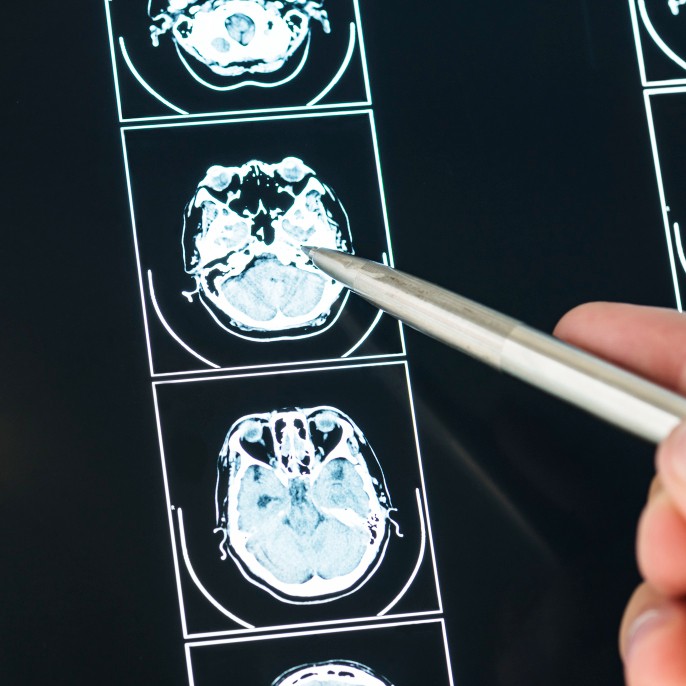
Thrombolysis is one of the primary treatments for ischaemic stroke. It involves administering a clot-dissolving medication by breaking down the blood clot that is blocking blood flow to the brain, restoring circulation and limiting the extent of permanent brain damage.
Thrombolysis must be given within 4.5 hours of stroke onset to be effective. The earlier it is administered within that window, the greater the benefit.
Mechanical thrombectomy is a minimally invasive endovascular procedure that removes clots from brain vessels.
Based on current international guidelines, mechanical thrombectomy can be performed within 6 hours of symptom onset as standard, and up to 16 to 24 hours after onset
Treatment for haemorrhagic stroke focuses on controlling and stabilising the bleed through careful blood pressure management and medication to support clotting.
In cases where the bleed is significant or causing dangerous levels of pressure on the brain, surgical intervention by our neurosurgery team may be required to relieve that pressure or address the source of the bleed directly.
Alongside acute interventions, all stroke patients receive ongoing medical management throughout their admission. Anti-platelet therapy such as aspirin is typically started within 24 to 48 hours of an ischaemic stroke once imaging confirms no bleeding is present. These medications reduce the tendency of blood to clot and lower the risk of a second stroke.
For patients whose stroke was caused by atrial fibrillation, an irregular heart rhythm that allows blood to pool and form clots that travel to the brain, anticoagulant medications are prescribed. Blood pressure, blood sugar, and body temperature are all monitored and managed carefully, as elevated levels of any of these during the acute phase are known to worsen stroke outcomes.
Following acute treatment, stroke patients are admitted to our Intensive Care Unit (ICU) or High Dependency Unit (HDU) for close monitoring during the first 24 to 48 hours. Our stroke unit hospital team carries out continuous neurological checks, vital sign monitoring, swallowing assessment, and active management of any complications that arise including brain swelling, pneumonia, or deep vein thrombosis.
Once the patient is stable, they are transferred to our dedicated stroke unit where the recovery phase begins.
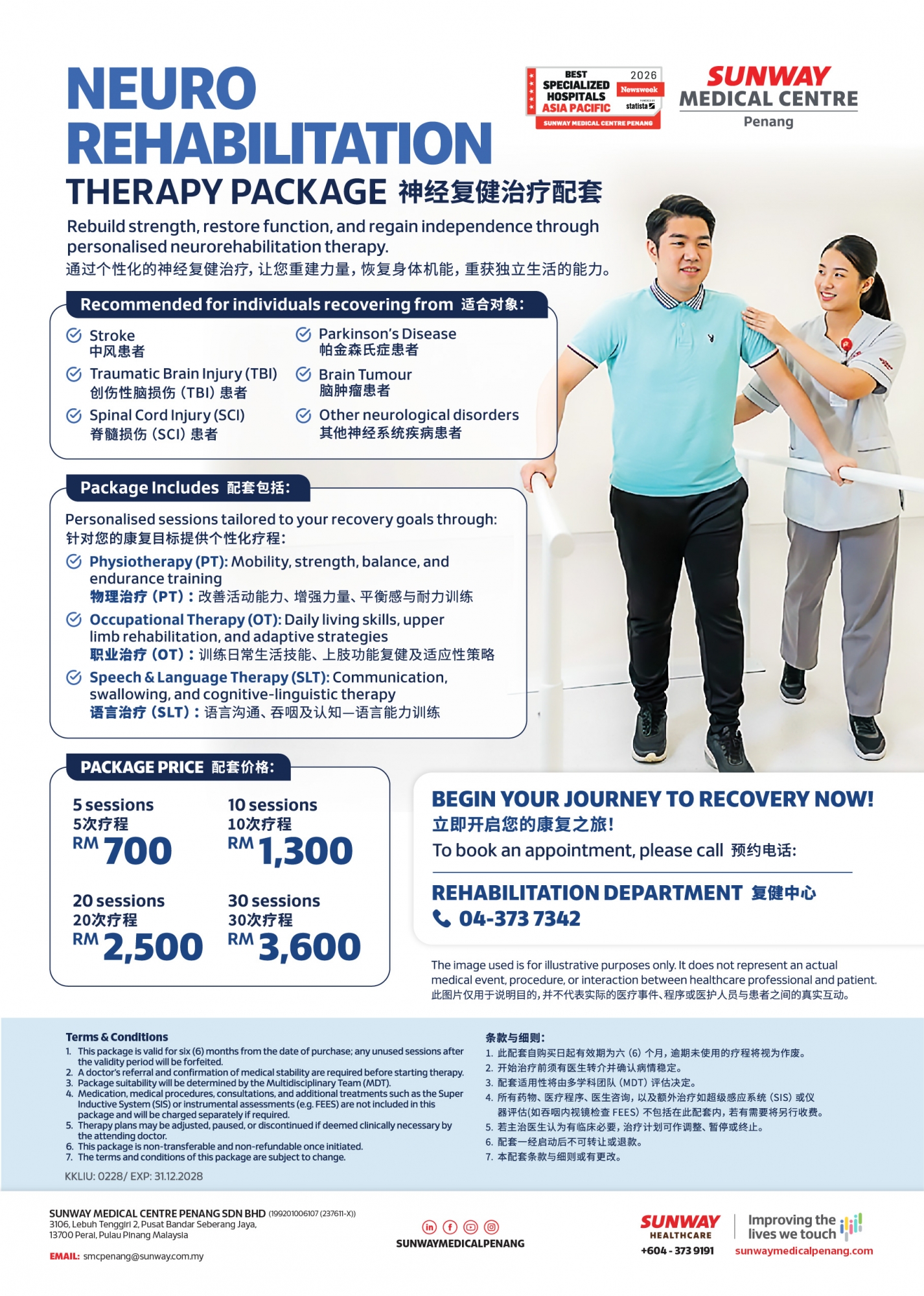
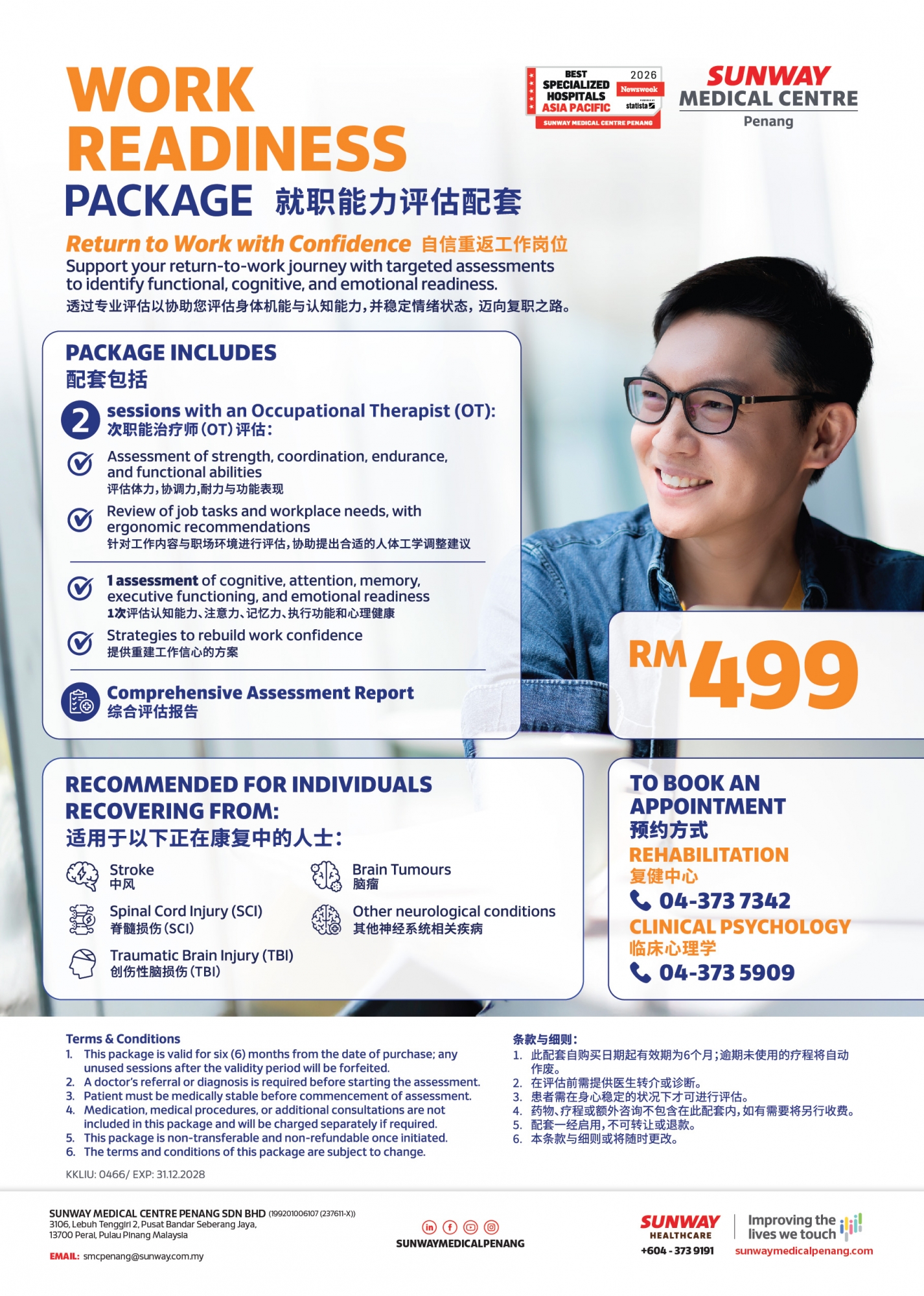
Rehabilitation is started as early as possible, often within the first 24 hours of stabilisation. Our physiotherapists, occupational therapists, and speech language therapists work with each patient based on the specific effects of their stroke and their individual recovery goals.
At Sunway Medical Centre Penang, our stroke team is available around the clock to assess and begin treatment the moment a patient arrives — because in stroke care, time is brain.
The right treatment depends on the type of stroke, its severity, and how much time has passed since symptoms began. Our team of neurologists, neurosurgeon, and interventional radiologist work together to determine the most appropriate treatment pathway for each patient without delay.
Sunway Medical Centre Penang is a recipient of the World Stroke Organization (WSO) Angels Gold Award, an internationally recognised mark of quality in stroke care.
This recognition reflects the performance of our entire multidisciplinary stroke team — from the speed at which eligible patients receive thrombolysis to the proportion admitted to a dedicated stroke unit, to the appropriateness of medications prescribed at discharge. It reflects a system built to deliver consistently high standards of stroke emergency treatment.
At Sunway Medical Centre Penang, stroke treatment does not end when the acute procedure is complete. Recovery involves close monitoring, ongoing medical management, and structured rehabilitation tailored to each patient's specific needs and recovery goals. Our multidisciplinary stroke team supports patients through every stage of that journey, from the Emergency Department through to discharge and beyond.
Speak with our Stroke Specialists to understand which treatment options may be appropriate and what to expect throughout your care.
Learn more about stroke care at our Stroke Centre in Penang
Read More: What Is a Stroke? | How Is Stroke Diagnosed? | Stroke Symptoms and Warning Signs | Stroke Prevention | Stroke Risk Factors | Stroke Specialists | Stroke Rehabilitation


















Make Appointment Now
Looking for Specialist Care? Schedule a Consultation Today.