Shopping Cart
No item in your cart!
RM0.00

Orthopaedics focuses on the diagnosis, treatment and recovery support for conditions affecting bones, joints, muscles, ligaments, tendons and the spine
Orthopaedics (also written as orthopaedic care or orthopaedic surgery) is a medical specialty that manages problems affecting the musculoskeletal system. This system includes the structures that support movement and stability, such as:
Orthopaedic care covers both injuries (often sudden) and long-term conditions (often gradual). Some concerns settle with conservative management and rehabilitation, while others may require procedures or surgery when clinically appropriate.
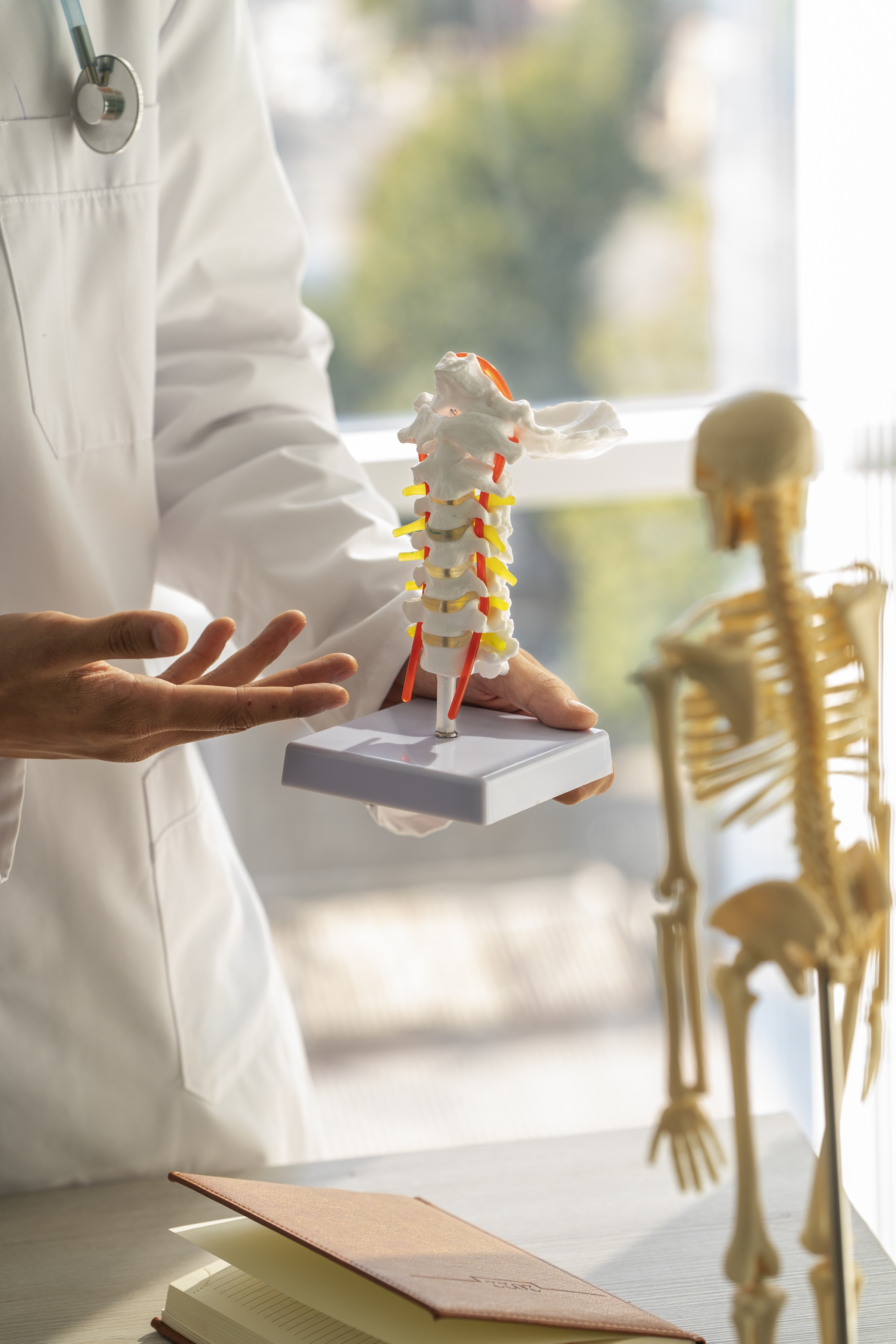
Orthopaedic conditions often fall into several broad categories. Understanding these categories helps explain why treatment plans can look different between patients.
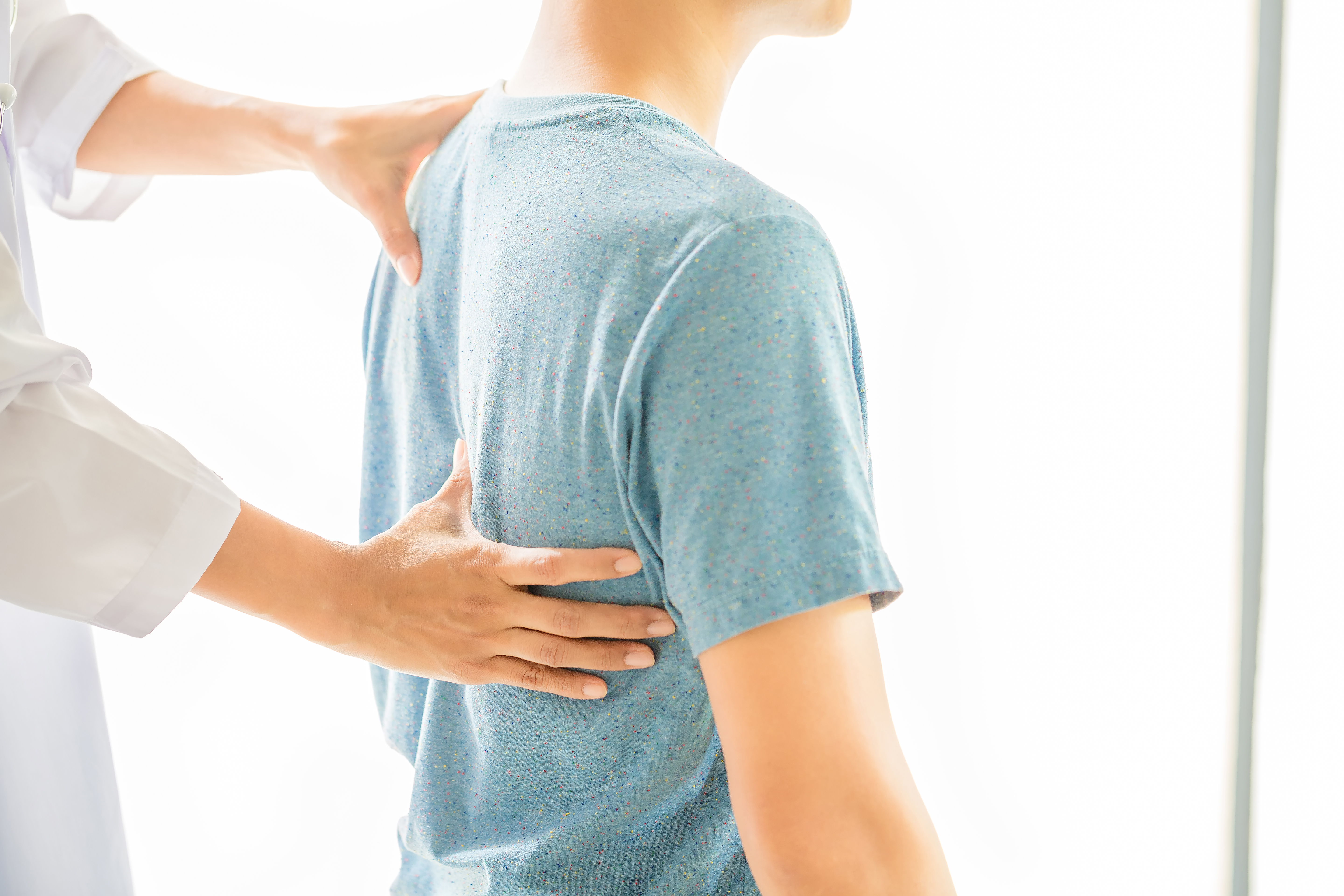
Spine-related problems are among the most common orthopaedic concerns — affecting the cervical (neck), thoracic (mid-back), and lumbar (lower back) regions. They can develop gradually through age-related degeneration or arise suddenly from injury, and often cause not just localised pain but referred symptoms such as numbness, tingling, or weakness in the arms or legs when nerves are involved.
Examples include:
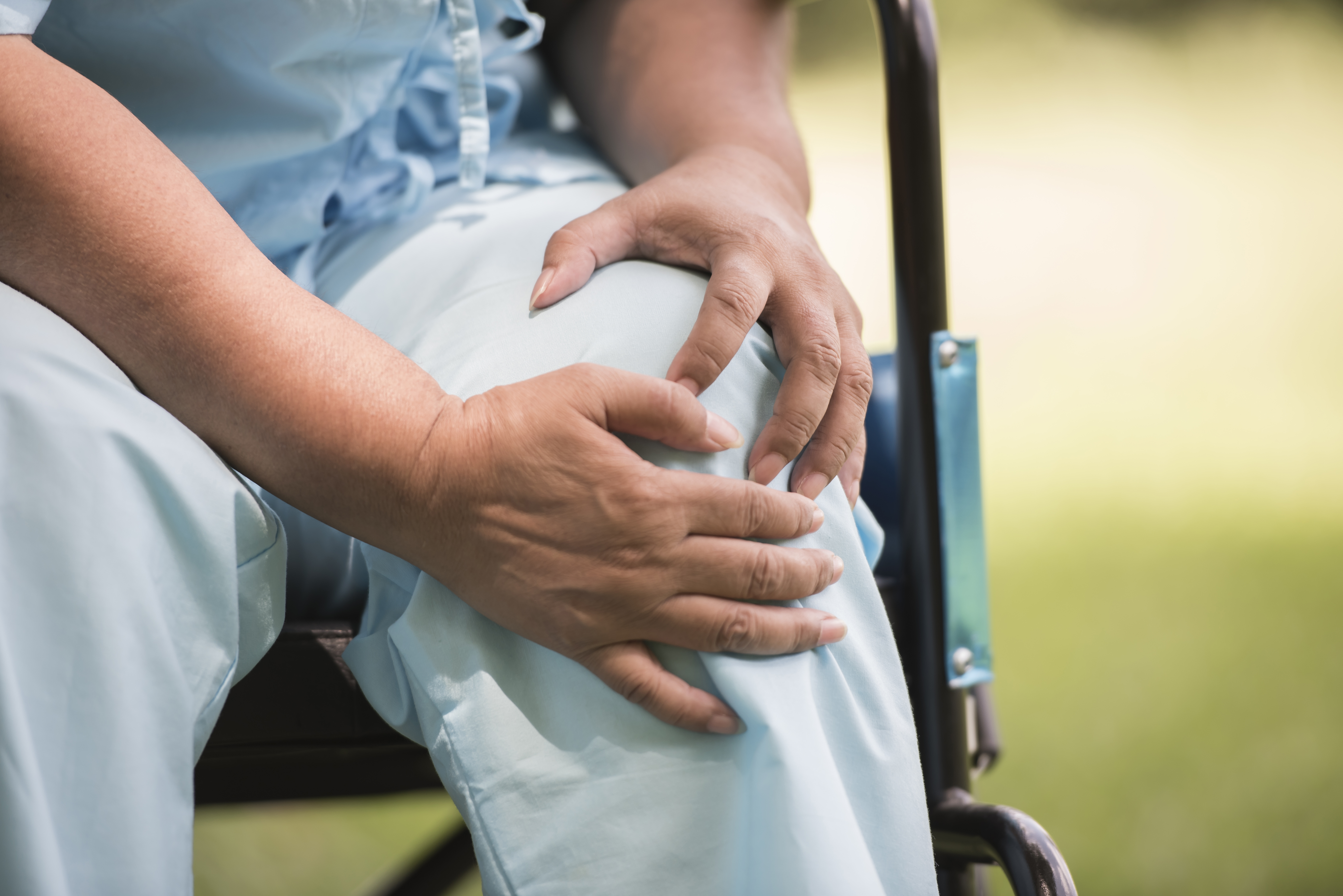
Joint and tissue degeneration tends to develop gradually — often linked to ageing, repeated stress on a joint, or previous injuries — and can progressively affect movement, comfort, and daily function over time.
Examples include:

Sports and activity injuries can affect people of all fitness levels — occurring during exercise, sport, or everyday movement. They range from soft tissue injuries that respond well to rehabilitation to structural damage that may require further intervention.
Examples include:
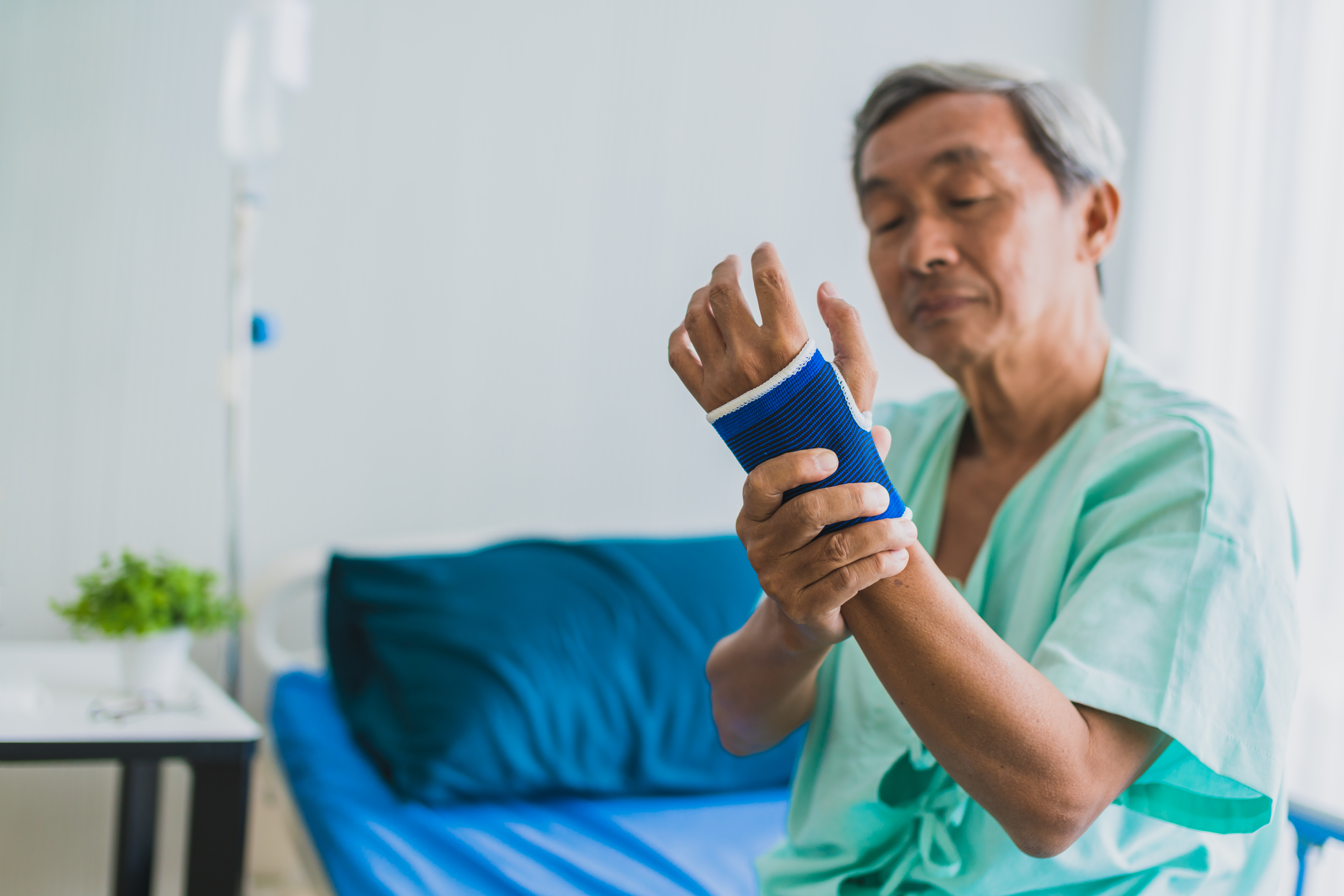
Fractures and trauma injuries require timely assessment to ensure proper bone alignment, support healing, and protect long-term movement and function — regardless of whether the cause is a fall, accident, or sports-related incident.
Examples include:
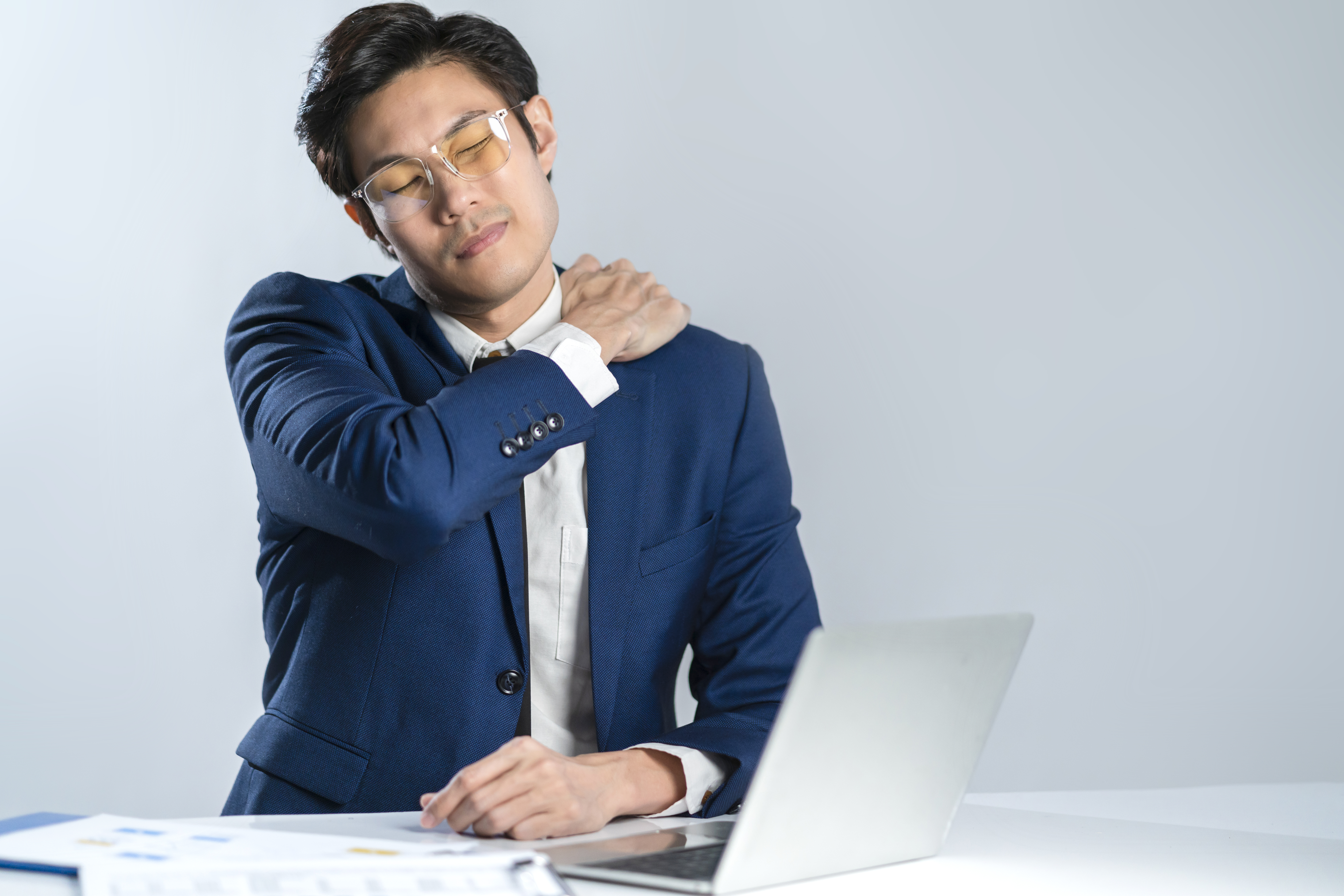
Upper limb conditions affect the shoulder, elbow, wrist, and hand — and because these structures are involved in nearly every daily task, pain or restricted movement in this region can significantly affect work, self-care, and independence.
Examples include:
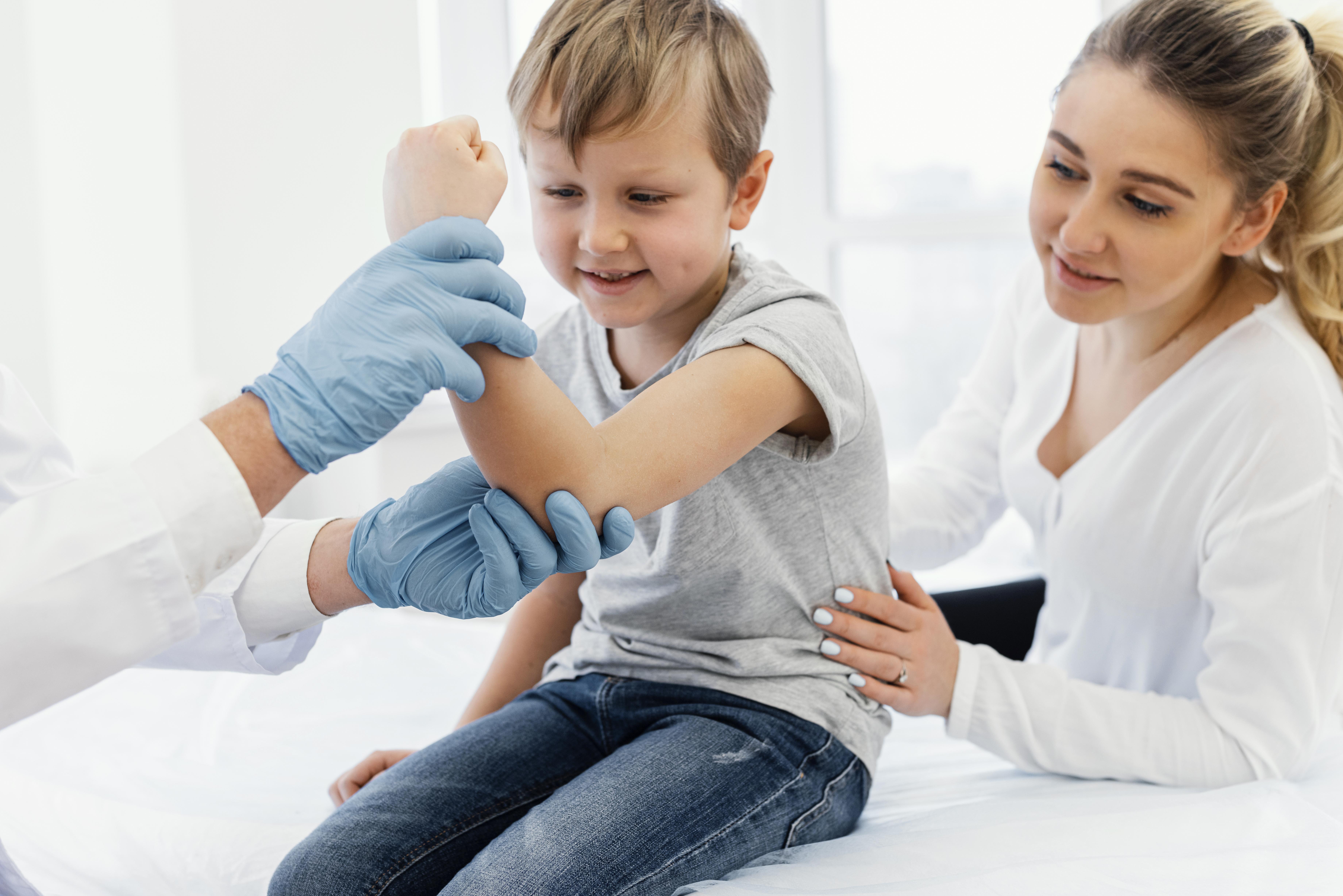
Orthopaedic conditions in children often present differently from those in adults — because growing bones and joints behave differently — requiring specialist assessment that accounts for the child's age, growth stage, and developmental milestones.
Examples include:
Orthopaedic problems can present in different ways. Some symptoms are local (at a joint or injury site), while others may reflect referred pain or nerve involvement (often seen in selected spine-related conditions).
Common presentations include:
Symptoms alone do not confirm a diagnosis. Clinical assessment is important to distinguish between joint strain, cartilage injury, tendon problems, degenerative change, or nerve-related causes.
Orthopaedic assessment commonly includes:
Investigations may be recommended when needed for diagnosis or treatment planning.
|
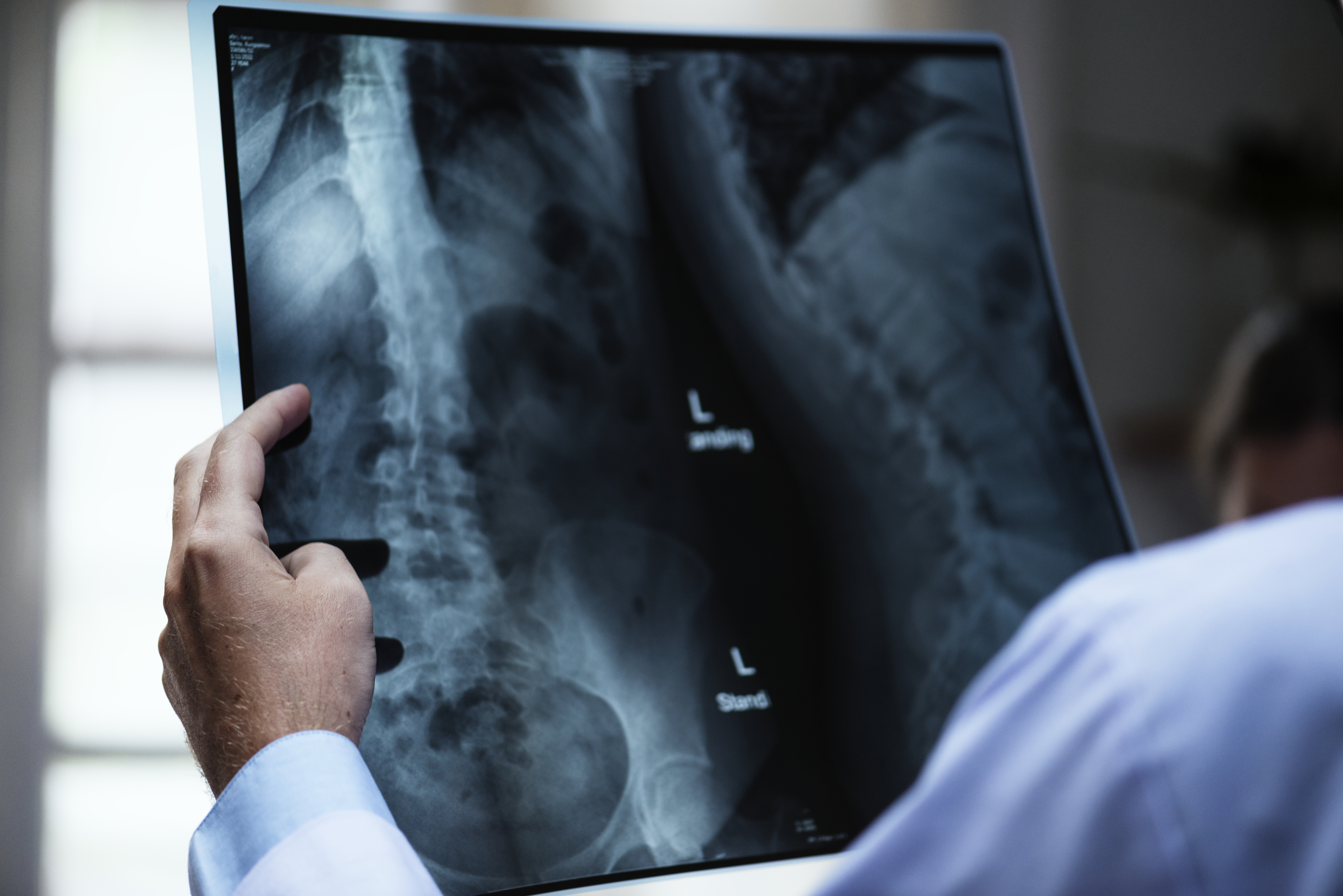
X-Ray Often used for bones, joint alignment, arthritis-related change and some injuries |
 |
MRICommonly used for soft tissue assessment (ligaments, cartilage, tendons, discs) |
.jpg.jpeg) |
CT ScanUsed in selected cases, often for complex fractures or detailed bone assessment |
.jpg) |
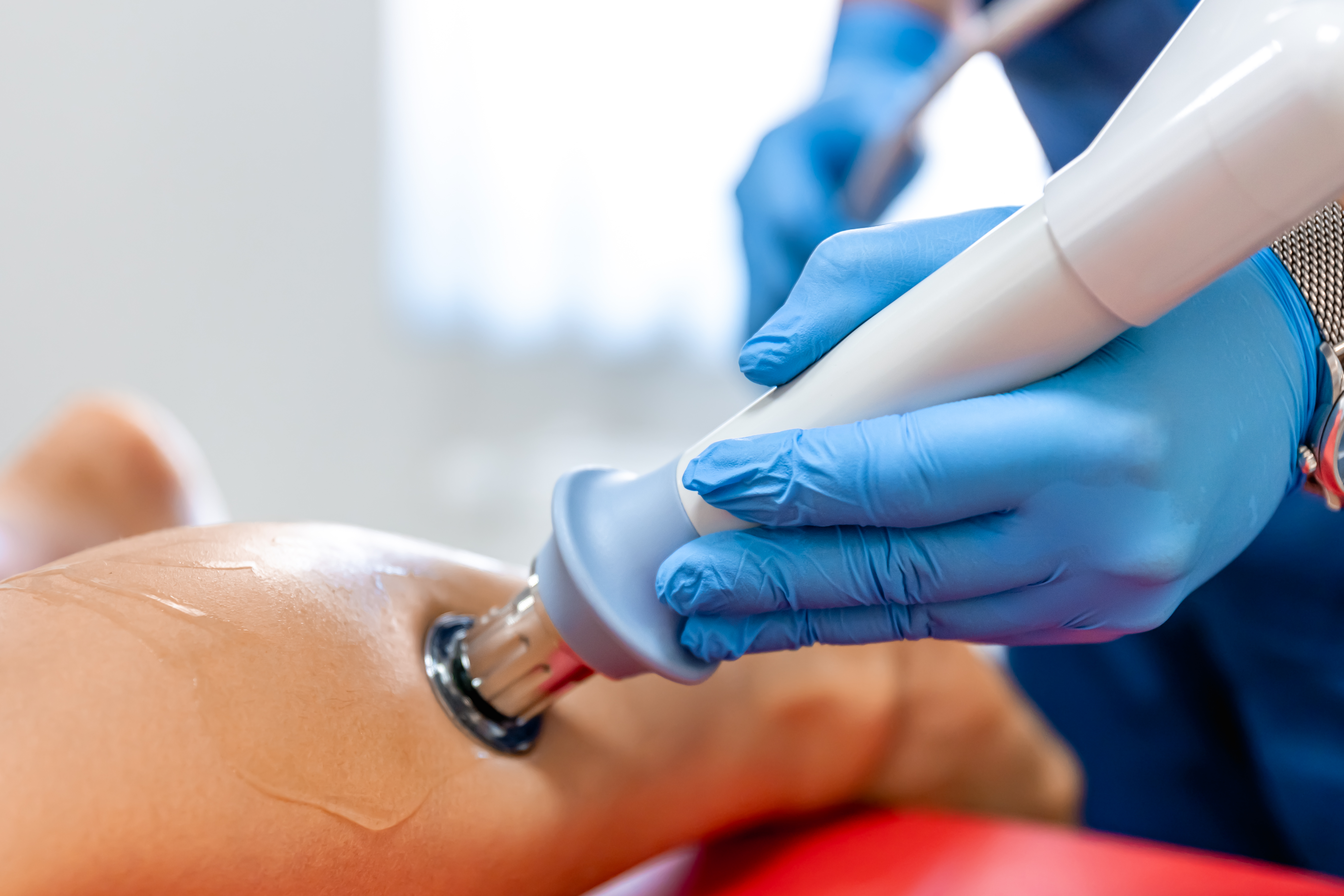
UltrasoundUsed in selected muscle and tendon conditions, based on clinical needs |
 |
Imaging is most useful when guided by clinical findings. The goal is clearer decision-making and more accurate treatment planning.
Understanding what orthopaedics covers is the first step — getting the right assessment is the next. At Sunway Medical Centre Penang Orthopaedic Centre, orthopaedic care is supported across key areas including joint care and joint replacement, sports injuries and arthroscopy, spine care, fracture and trauma management, upper limb conditions, and paediatric orthopaedics — with rehabilitation services supporting recovery planning where appropriate.
Learn more about orthopaedic care at our Orthopaedic Centre in Penang
Read More: Bones and Joints Care | Advanced Orthopaedic and Rehabilitation Care | Our Orthopaedic Specialists