Shopping Cart
No item in your cart!
RM0.00

Colorectal cancer, also called colon cancer or bowel cancer, starts in the large intestine (colon) or the rectum, which is the final part of the colon. Colon cancer affects both women and men.
Most colorectal cancers begin as a small growth called a polyp, which can develop in the colon or rectum. Not every polyp becomes cancer, but a polyp that is not found and removed can slowly turn into cancer over time.
Diagram: a simple anatomy illustration of the colon and rectum to go here.
.png)
According to the Malaysia National Cancer Registry Report 2017 to 2021, colorectal cancer is the most common cancer among men in Malaysia, and the second most common among women after breast cancer.
According to the Malaysia National Cancer Registry Report (MNCR) 2012 to 2016, more than 70% of colorectal cancers were detected at stage III or IV. Knowing the signs and getting screened on time gives you a better chance of finding the disease earlier.
Colorectal cancer may cause few or no symptoms in its early stages, and the signs can be subtle. These are the signs to look out for:
Slow bleeding in the digestive tract can lead to a low red blood cell count, so sometimes the first clue is a routine blood test rather than a symptom you can feel.
The exact cause of colorectal cancer is not fully known, but several factors can raise your risk. Some cannot be changed, such as age and family history, while others are linked to lifestyle.
Having one or more risk factors does not mean you will develop colorectal cancer, and some people with no known risk factors still do.
Colorectal cancer is described by where it starts, and this affects how it is treated.
Colon cancer develops in the colon, the part of the large intestine that reabsorbs fluids and processes waste from the body. Surgery to remove the tumour is the mainstay of treatment, with chemotherapy added depending on the stage.
Rectal cancer develops in the rectum, the final section of the large intestine before the anus. Because rectal tumours tend to return near where they first formed, treatment often combines chemotherapy and radiation therapy with surgery.
Some colorectal cancers are linked to inherited conditions such as Lynch syndrome and FAP. People whose family history suggests an inherited condition may be advised to have a genetic risk assessment.
Doctors use the tumour, node and metastasis (TNM) system, which looks at how far the tumour has grown, whether nearby lymph nodes are affected and whether the cancer has spread to other parts of the body. A stage from 0 to IV is then assigned, and this is the standard used in Malaysian histopathology reporting.
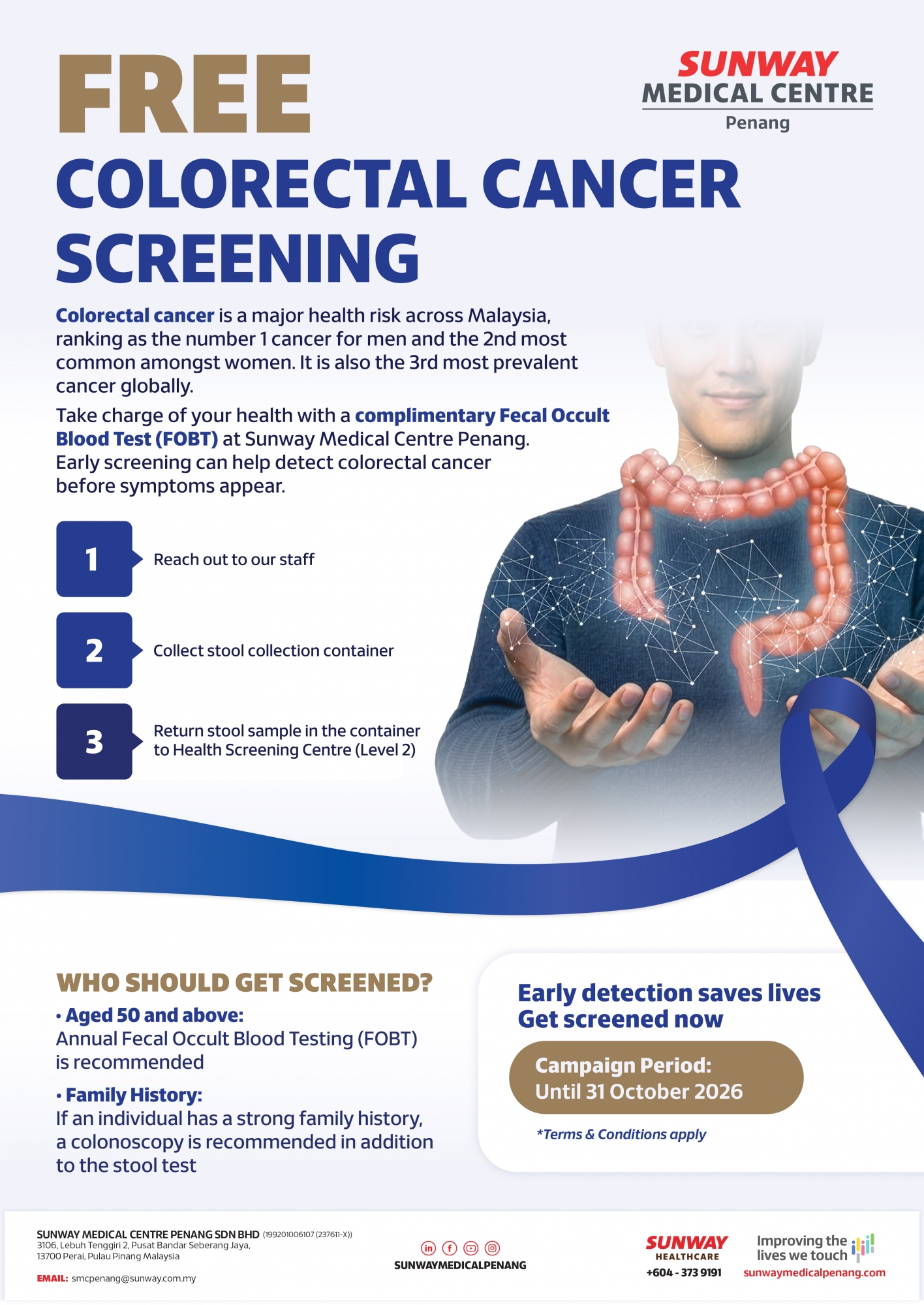
The faecal occult blood test (FOBT) is a simple, non invasive stool test that checks for hidden blood, and it can be done at home. At Sunway Medical Centre Penang, collecting your sample takes three steps:
Our doctors at the Cancer Centre decide which tests are needed based on your symptoms, the type of cancer suspected, your age and your medical history.
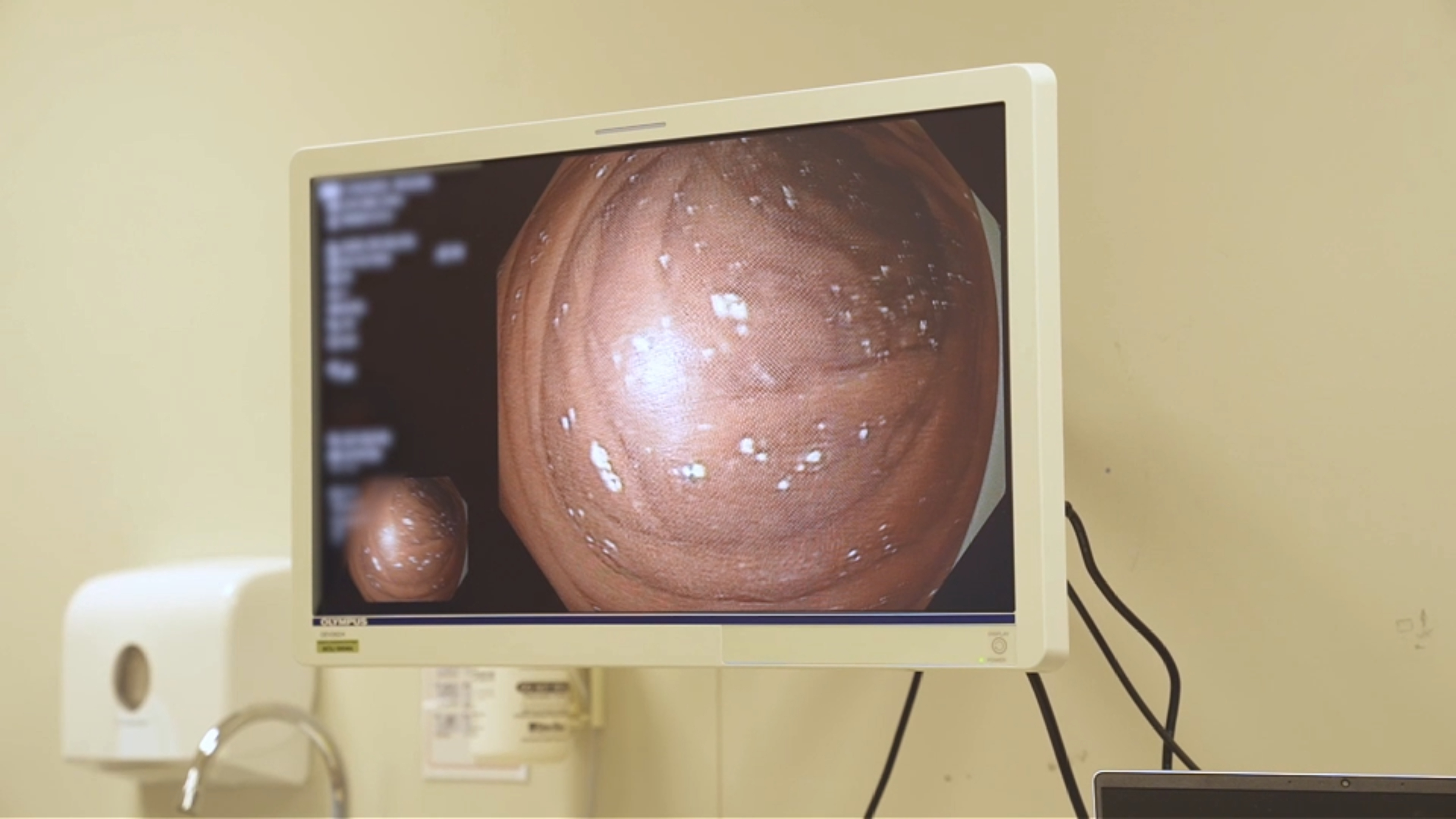
A colonoscopy allows the doctor to look inside the entire rectum and colon using a thin, flexible tube with a camera, usually while you are sedated. Polyps found during the procedure can be removed and examined.
A biopsy removes a small amount of tissue to be examined under a microscope. Other tests may suggest that cancer is present, but only a biopsy can make a definite diagnosis of colorectal cancer.
If colorectal cancer is diagnosed, CT or MRI scans of the abdomen, pelvis and chest may be used to see whether it has spread, and PET scans are sometimes added. Blood tests such as carcinoembryonic antigen (CEA) may help monitor your progress during and after treatment.
At Sunway Medical Centre Penang, a multidisciplinary team from the Cancer Centre works together to create a treatment plan suited to each patient.
Surgery, also called surgical resection, is the mainstay of treatment for colorectal cancer. The tumour and some surrounding healthy tissue are removed during the operation. Very early stage 0 cancer may be removed through a colonoscopy.
Surgical options include robotic surgery, laparoscopic surgery and traditional open surgery. With robotic or laparoscopic surgery, three or four small cuts are made, which allows quicker recovery and less blood loss. With open surgery, a larger cut is made in the abdomen, which usually means a longer hospital stay and slower recovery.
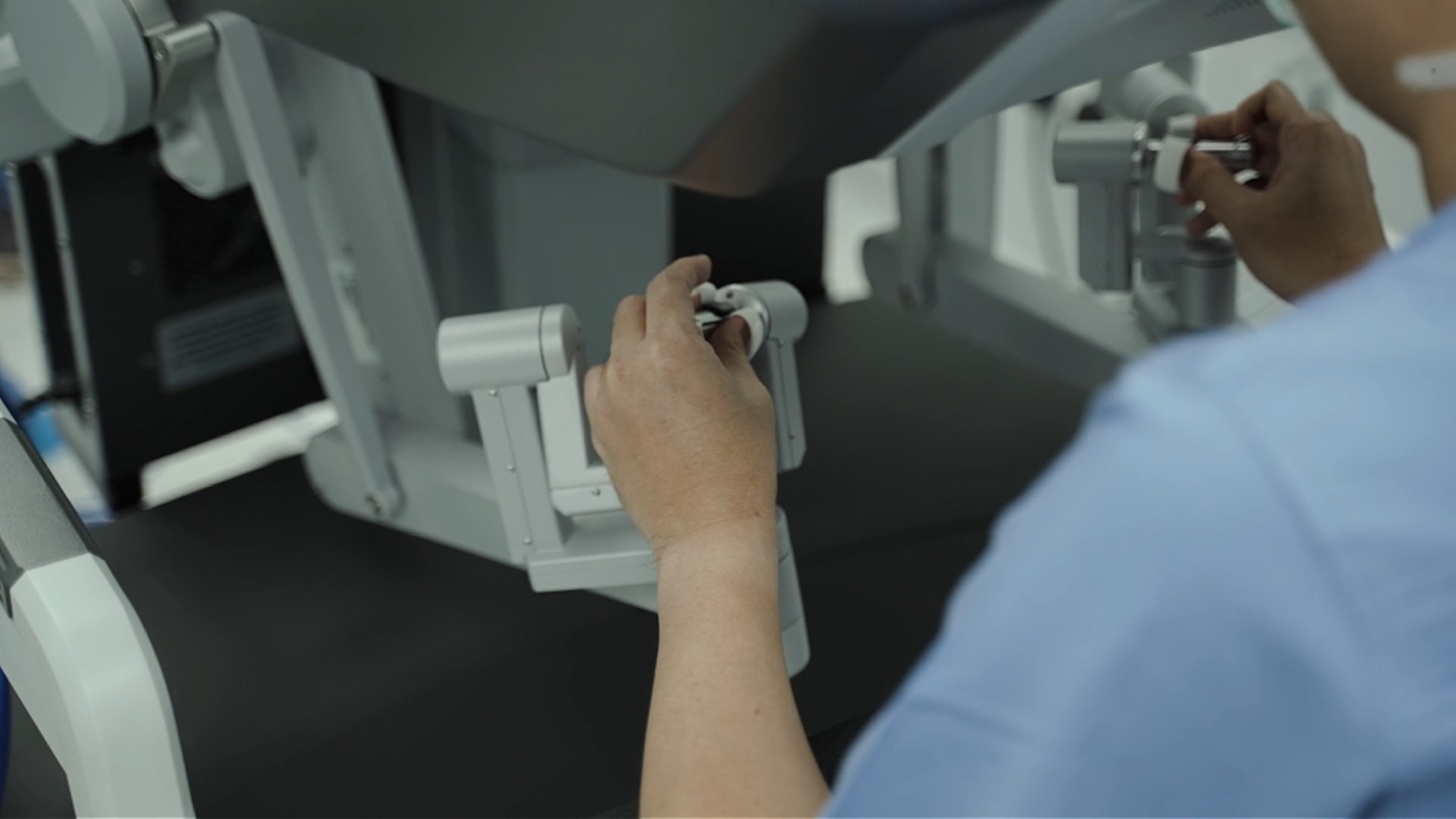
Robotic Surgery
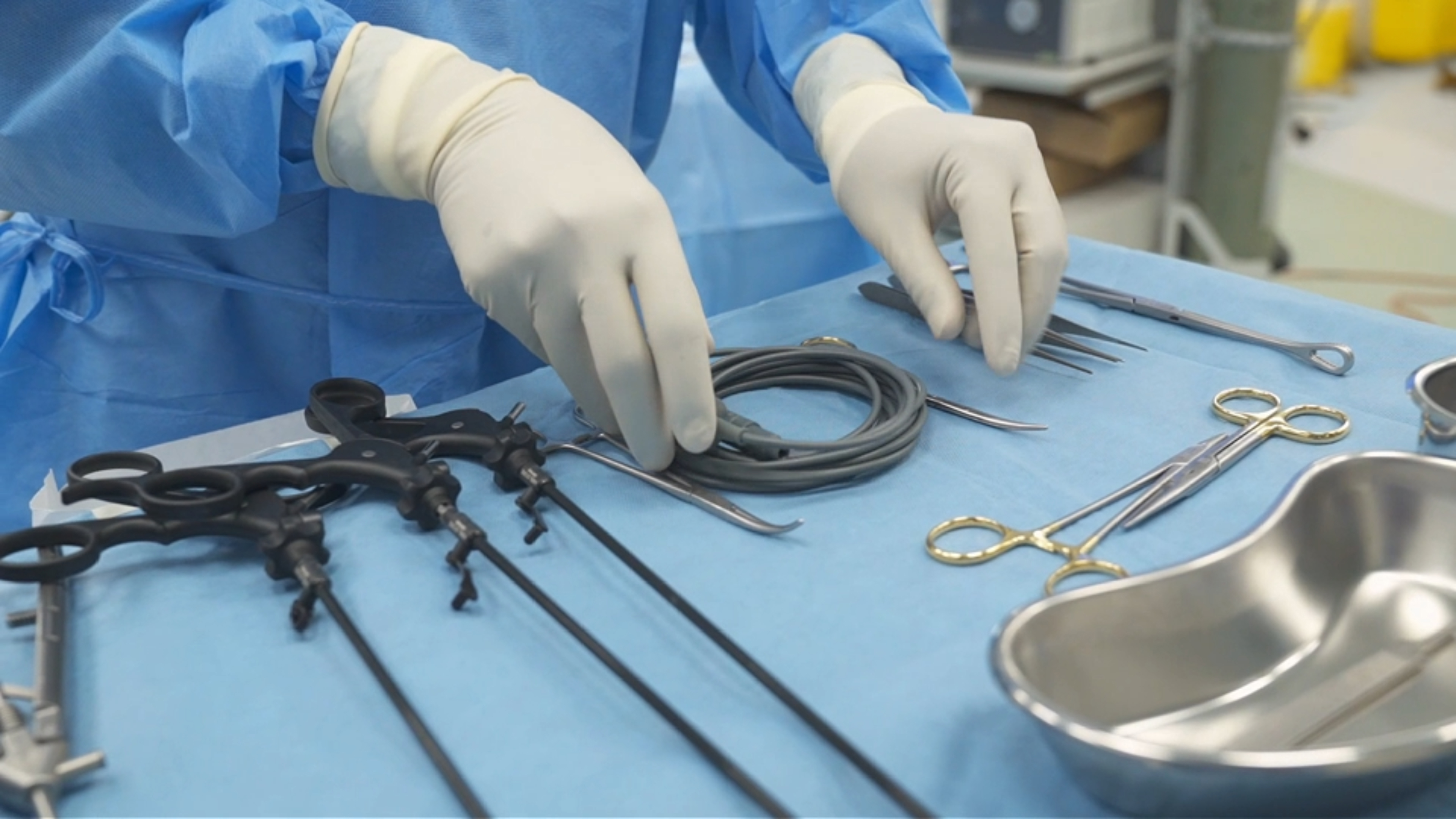
Laparoscopy Surgery
Chemotherapy uses medicines to kill cancer cells. It is usually given in cycles, with a rest period between treatments so your body can recover. It may be given after surgery to remove any remaining cancer cells. For rectal cancer, chemotherapy and radiation therapy are often given before surgery to reduce the size of the tumour and the chance of the cancer returning.
Radiation therapy uses high energy X rays to destroy cancer cells. It is commonly used for rectal cancer because tumours tend to return near where they first formed. Patients may receive external radiation, internal radiation, intraoperative radiation therapy (IORT), or a combination.
Side effects depend on the radiation dose and the part of the body treated. They can include nausea, vomiting, diarrhoea, bloody stools, urgent bowel movements, and urinary and skin sensitivity problems.
Other treatments, such as targeted therapy and immunotherapy, may also be considered in selected cases.
Screening looks for polyps or early cancer before any symptoms appear. The Ministry of Health Malaysia clinical practice guideline recommends the following:
Consultant Clinical Oncologist
Specialty
: Clinical Oncology
Qualifications
: MD (UNIMAS), Master in Clinical Oncology (UM),
AM (M'sia), Fellowship in Oncology (Houston, USA)
Languages
: English, Bahasa Malaysia, Mandarin, Hokkien, Bahasa Indonesia
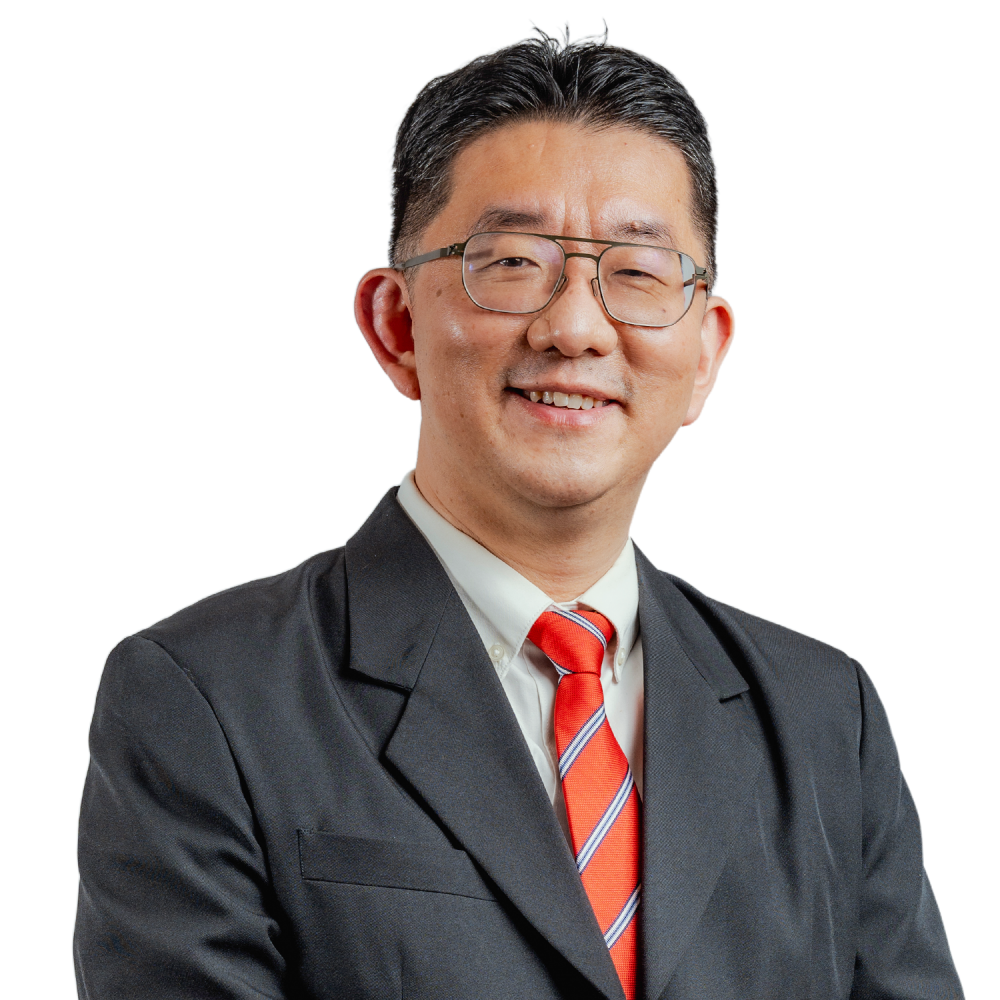
Dr. Cheah Soon Keat is a consultant clinical oncologist at Sunway Medical Centre Penang. Patients can meet Dr. Cheah to discuss chemotherapy and radiation therapy as part of colorectal cancer treatment.
Consultant Clinical Oncologist
Specialty
: Clinical Oncology
Qualifications
: MD (USM), FRCR (UK)
Languages
: English, Bahasa Malaysia, Mandarin, Hokkien, Hakka, Bahasa Indonesia
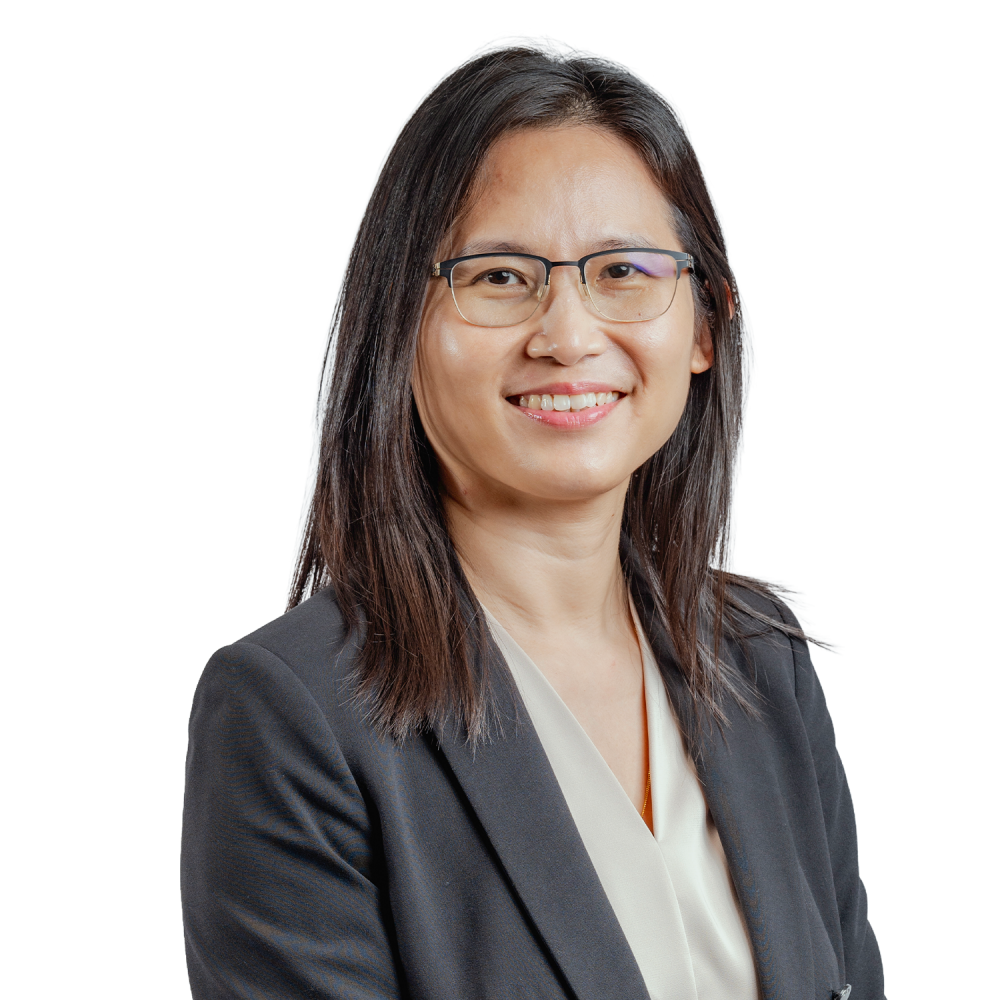
Dr. Doris Chow Sze Ying is a consultant clinical oncologist at Sunway Medical Centre Penang. Patients can meet Dr. Doris to discuss chemotherapy and radiation therapy as part of colorectal cancer treatment.
Consultant Clinical Oncologist
Specialty
: Clinical Oncology
Qualifications
: MB BCh BAO (Belfast), MRCP (UK),
FRCR (UK), MD (Manchester)
Languages
: English, Bahasa Malaysia, Mandarin, Hokkien, Hakka
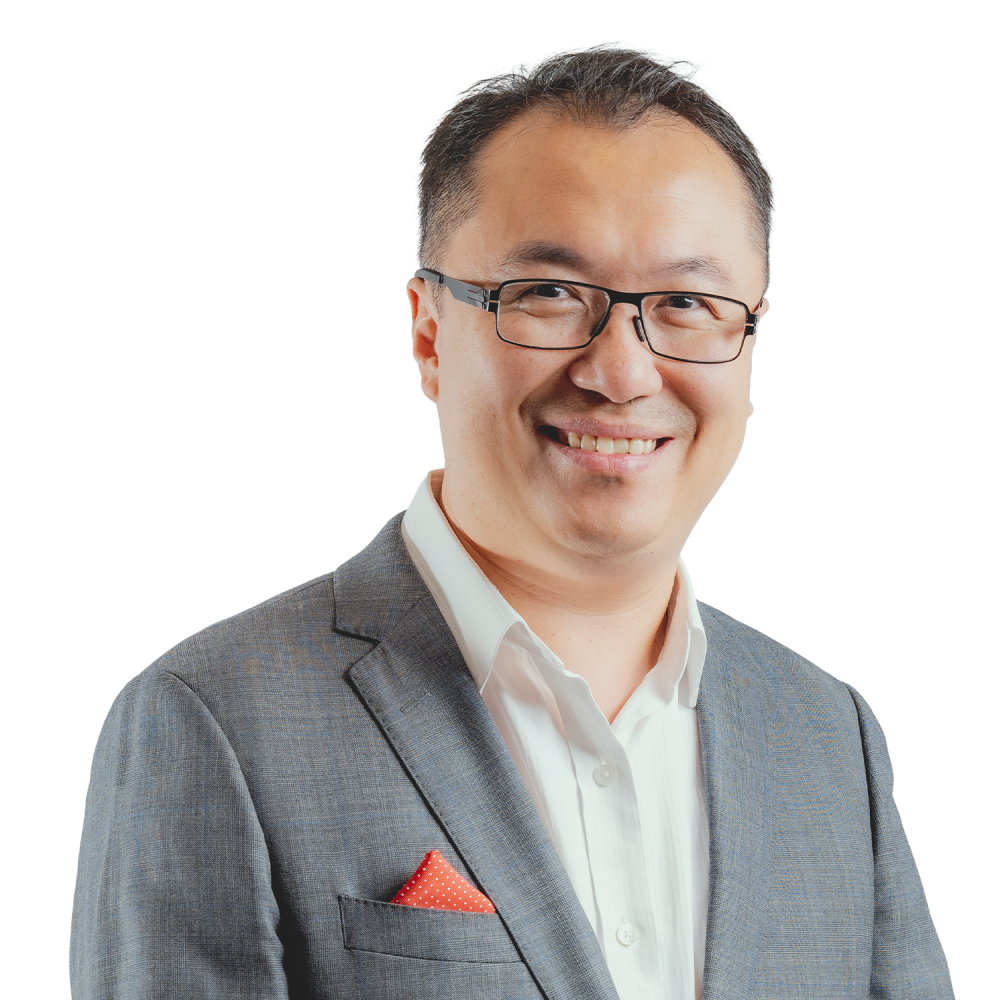
Dr. Ho Kean Fatt is a consultant clinical oncologist at Sunway Medical Centre Penang. Patients can meet Dr. Ho to discuss chemotherapy and radiation therapy as part of colorectal cancer treatment.
Consultant Clinical Oncologist
Specialty
: Clinical Oncology
Qualifications
: MBBS (Malaya), FRCR (Clinical Oncology) (UK)
Languages
: English, Bahasa Malaysia
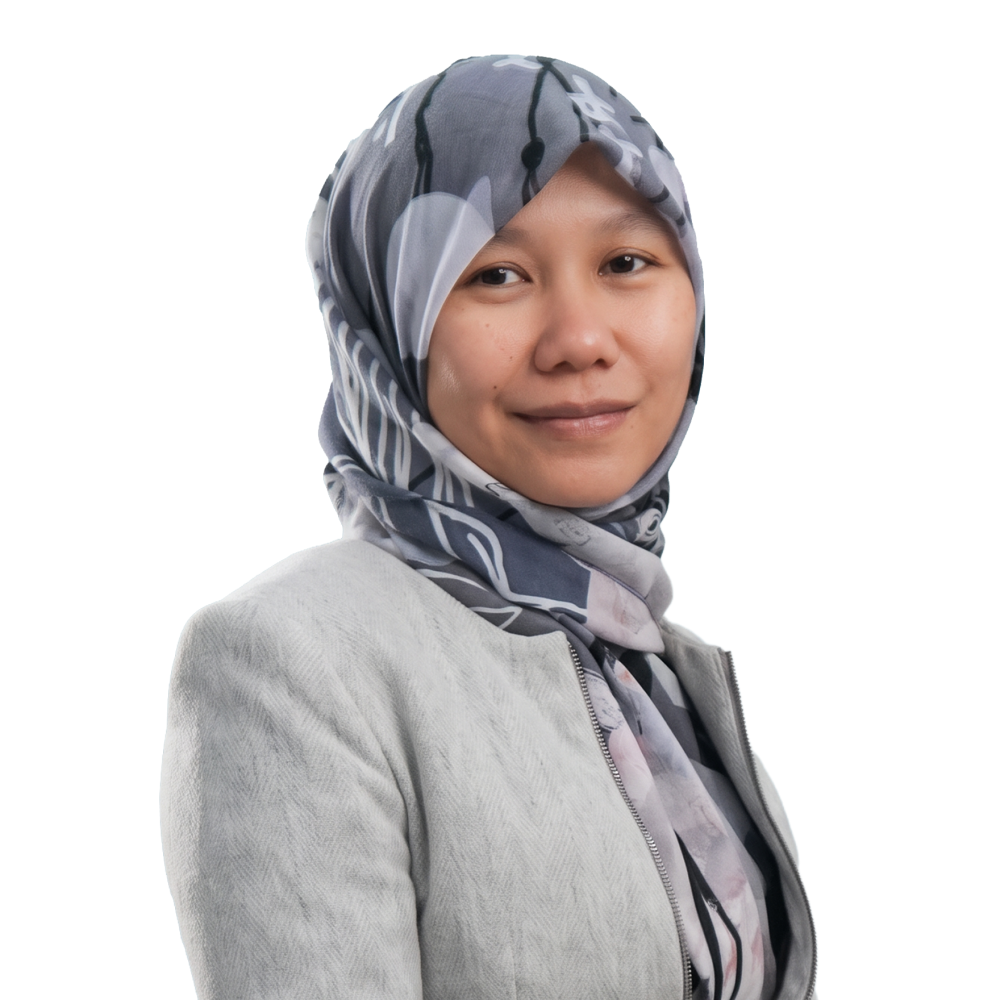
Dr. Intan Zati Hanani Hamid is a consultant clinical oncologist at Sunway Medical Centre Penang. Patients can meet Dr. Intan to discuss chemotherapy and radiation therapy as part of colorectal cancer treatment.
Consultant General & Colorectal Surgeon
Specialty
: Colorectal Surgery, General Surgery, Robotic Surgery
Qualifications
: MB BCh BAO (Ire) LRCPI LRCSI (Ire),
Doctor of Surgery (UKM),
Fellowship in Colorectal Surgery (M'sia),
Fellow in Colorectal Surgery (Austin Health, Australia)
Languages
: English, Bahasa Malaysia, Mandarin, Hokkien, Cantonese, Teochew
Dr. Heah Hsin Tak is a consultant general and colorectal surgeon at Sunway Medical Centre Penang, with fellowship training in colorectal surgery in Malaysia and at Austin Health, Australia. Patients can meet Dr. Heah for assessment of conditions affecting the colon and rectum.
Consultant General & Colorectal Surgeon
Specialty
: Colorectal Surgery, General Surgery
Qualifications
: MBBS (UM), MSurg (UM), MRCS (Edinburgh),
FRCS (UK),
Fellowship in Colorectal Surgery (UK)
Languages
: English, Bahasa Malaysia
Dr. Saidah Sahid is a consultant general and colorectal surgeon at Sunway Medical Centre Penang, with both fellowship and working experience in colorectal surgery in the UK. Patients can meet Dr. Saidah for assessment of conditions affecting the colon and rectum.
Seeing a specialist does not mean you have cancer. It means finding out where you stand and having a plan. Speak with our colorectal surgeons at Sunway Medical Centre Penang to understand your condition and the options available to you.
Learn more about cancer care at our Cancer Centre in Penang
Read More: What is Cancer | What Causes Cancer | Types of Cancer | Cancer Support Group | Our Multidisciplinary Team





























Make Appointment Now
Looking for Specialist Care? Schedule a Consultation Today.